
Tesofensine (400 mcg, 60 units)







MOTS-C Peptide (20MG)
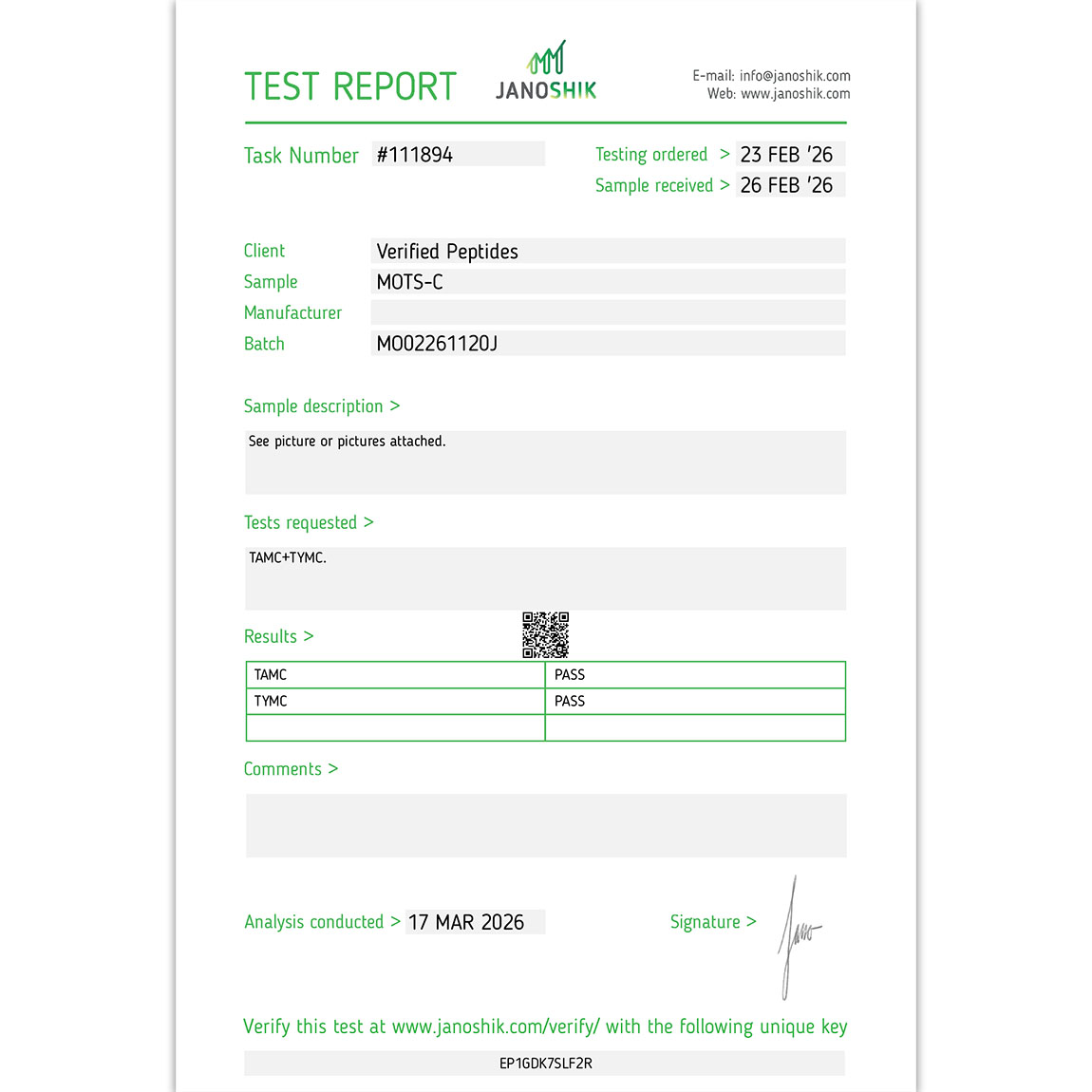
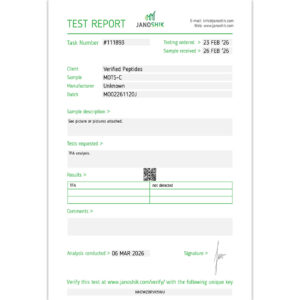
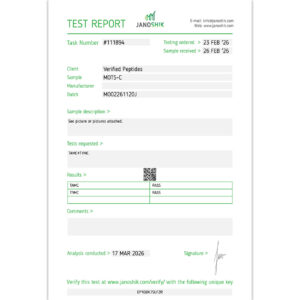
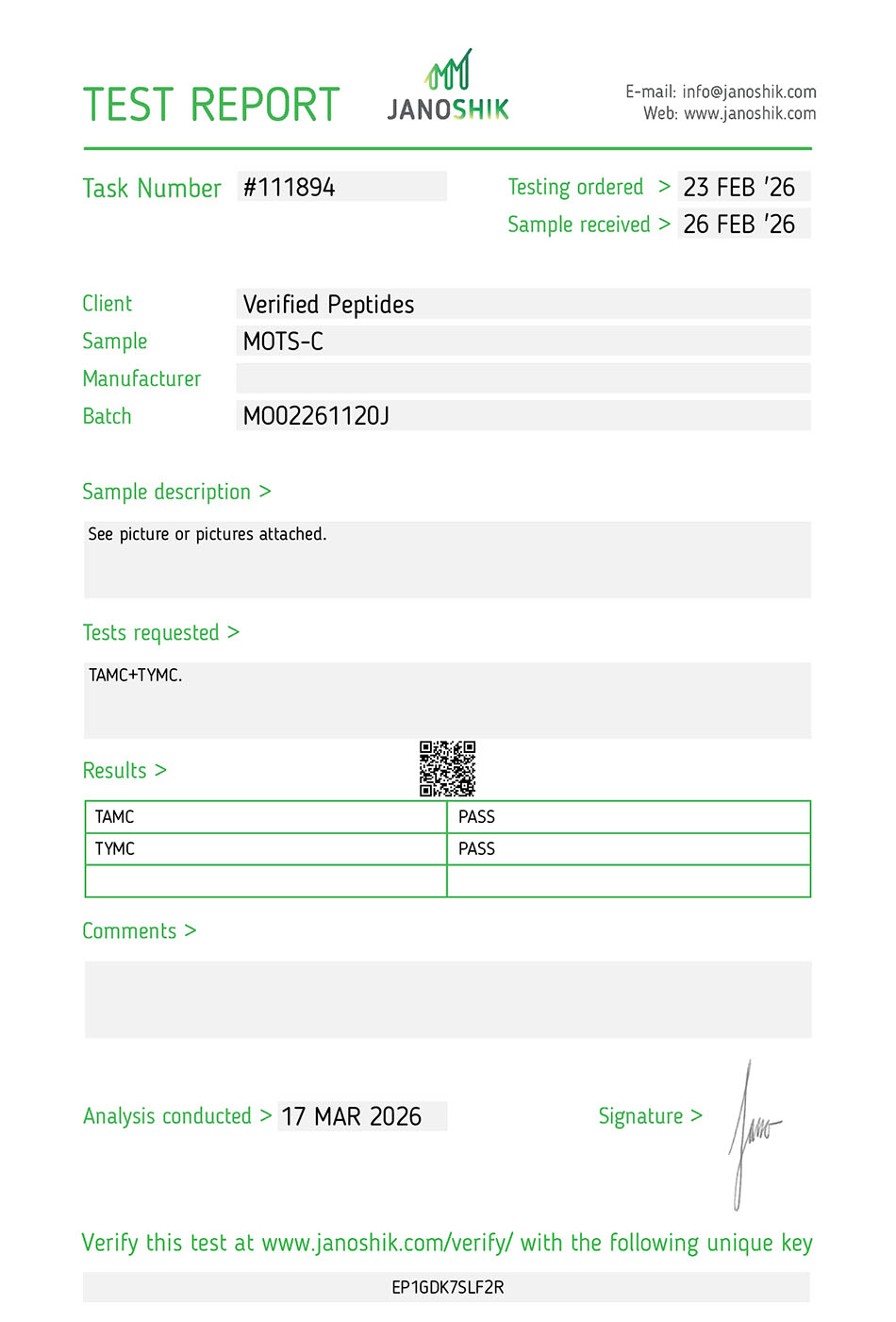
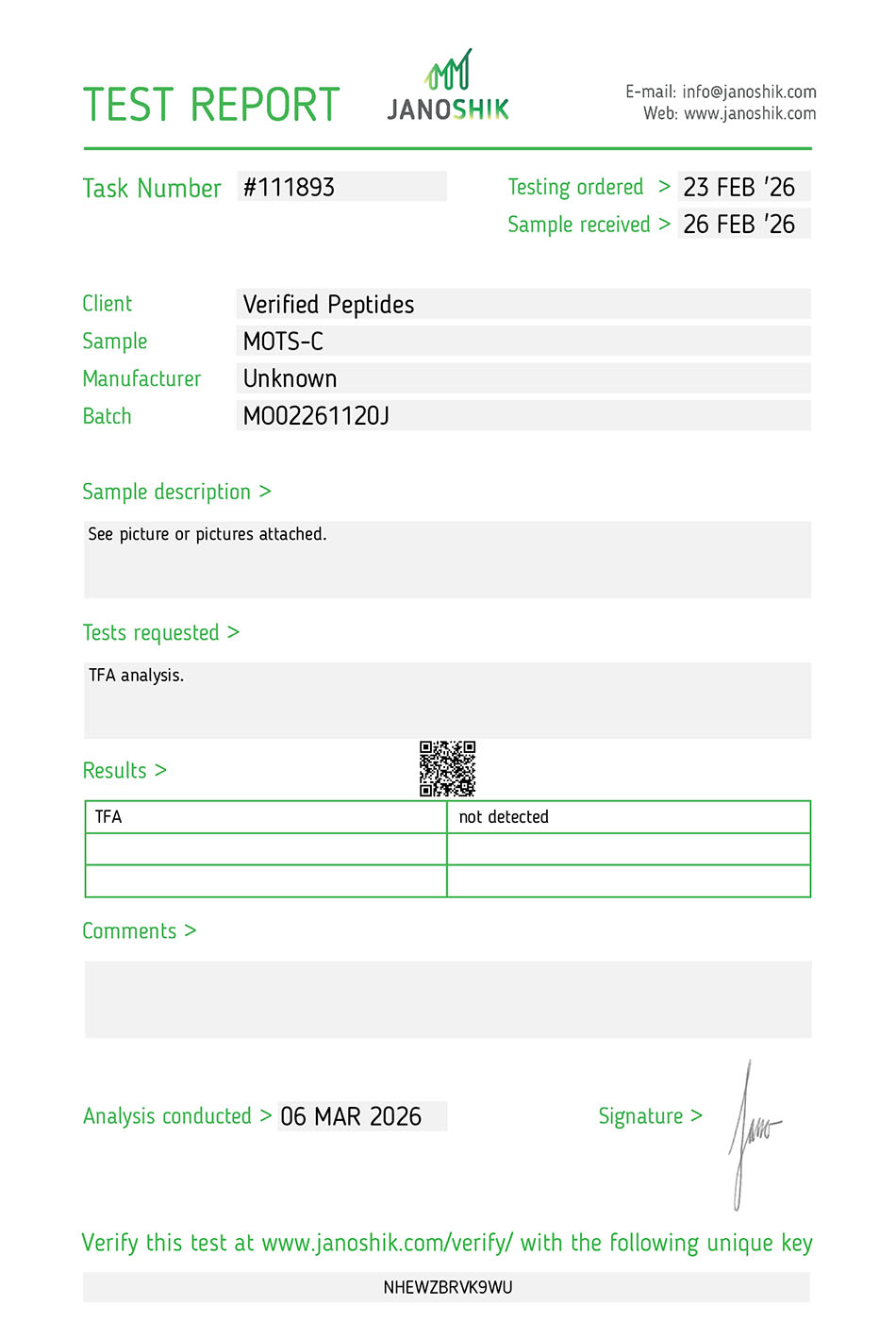
This batch of MOTS-C has been third party lab tested and verified for quality.

TESTED FOR:

purity
weight
TFA FREE
sterility
endotoxins(lps)
Price range: $43.00 through $77.00
| Quantity | Price | |
|---|---|---|
| 0% | 1 - 4 | $43.00 |
| 10% | 5 - 9 | $38.70 |
| 20% | 10 - 19 | $34.40 |
| 30% | 20 + | $30.10 |
This product comes as lyophilized powder and is not reconstituted. All products and materials sold on this site are for Research Use Only and not for human use; subject to our Terms and Conditions.

2-Day Shipping
Order by 2:00 PM ET

INSULATED SHIPPING
Ice foam-box shipping available
| Peptide vial specifications | Results | |
|---|---|---|
Not reconstituted | ||
Bottle type: | Vial - sealed - flip top | |
Form: | Powder (lyophilized) | |
Vial size: | 3ML | |
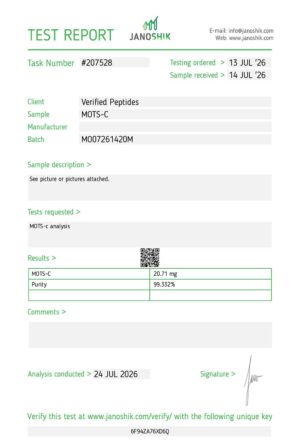
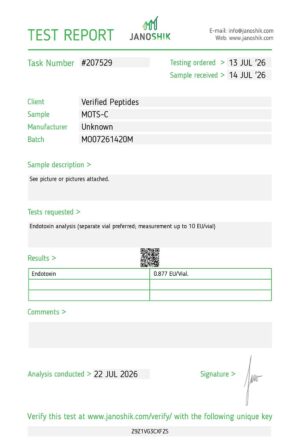
MOTS-C Certificate of Analysis (COA) Test Result
| Date Tested: | |
|---|---|
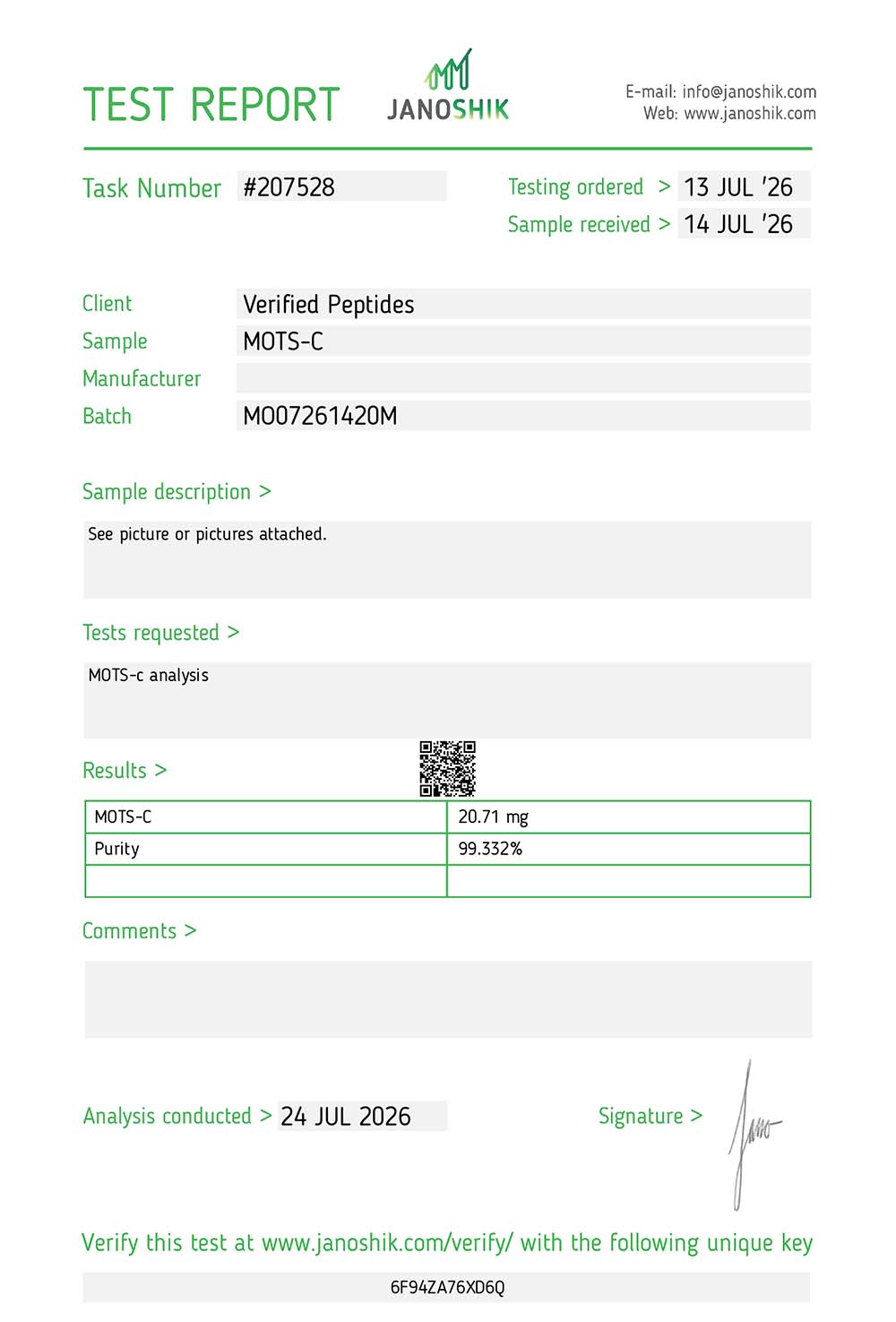
| Purity: | 99.332% |
| Weight: | 20.71mg |
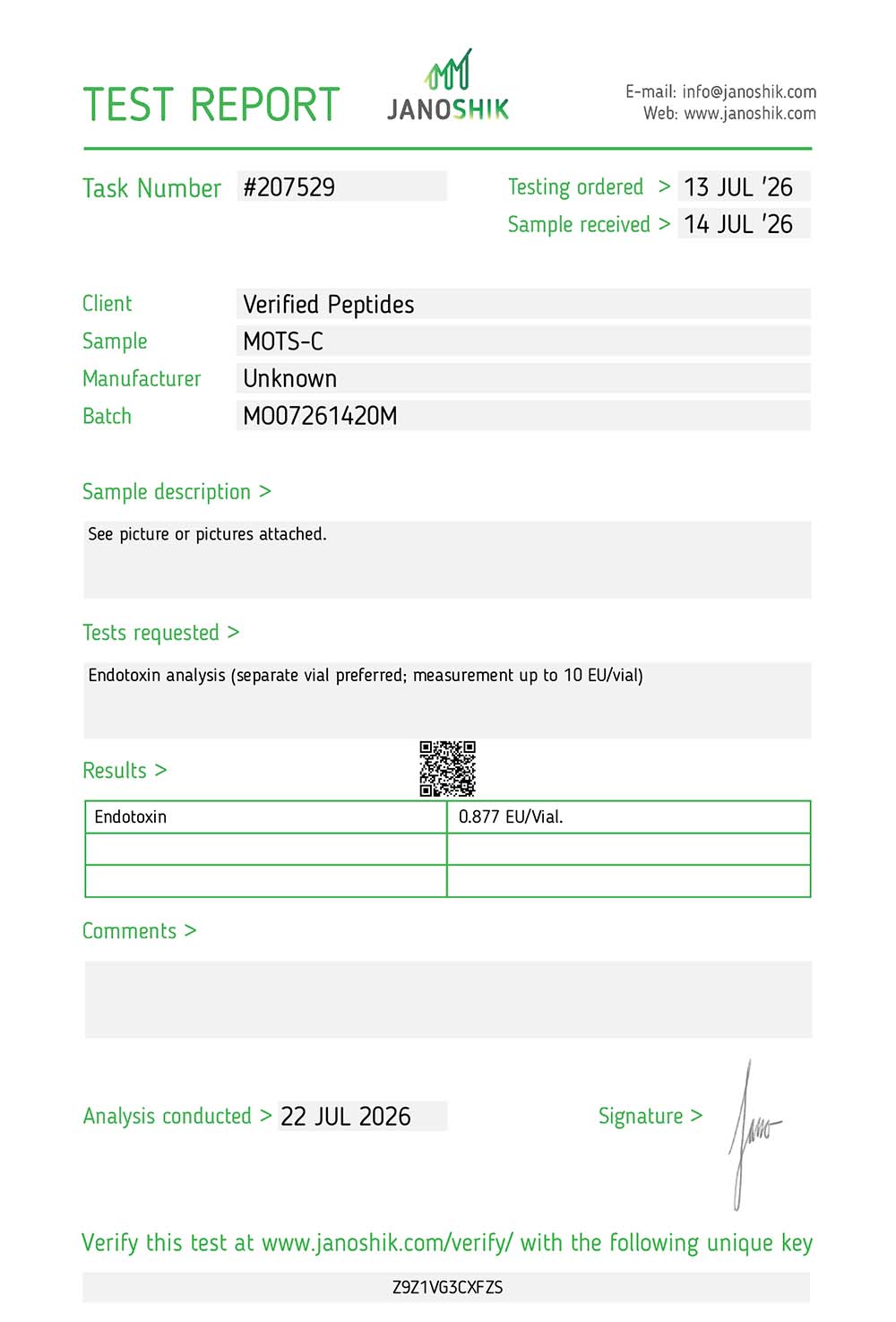
| Endotoxins (LPS): | Pass |
| Sterility: | Pass |
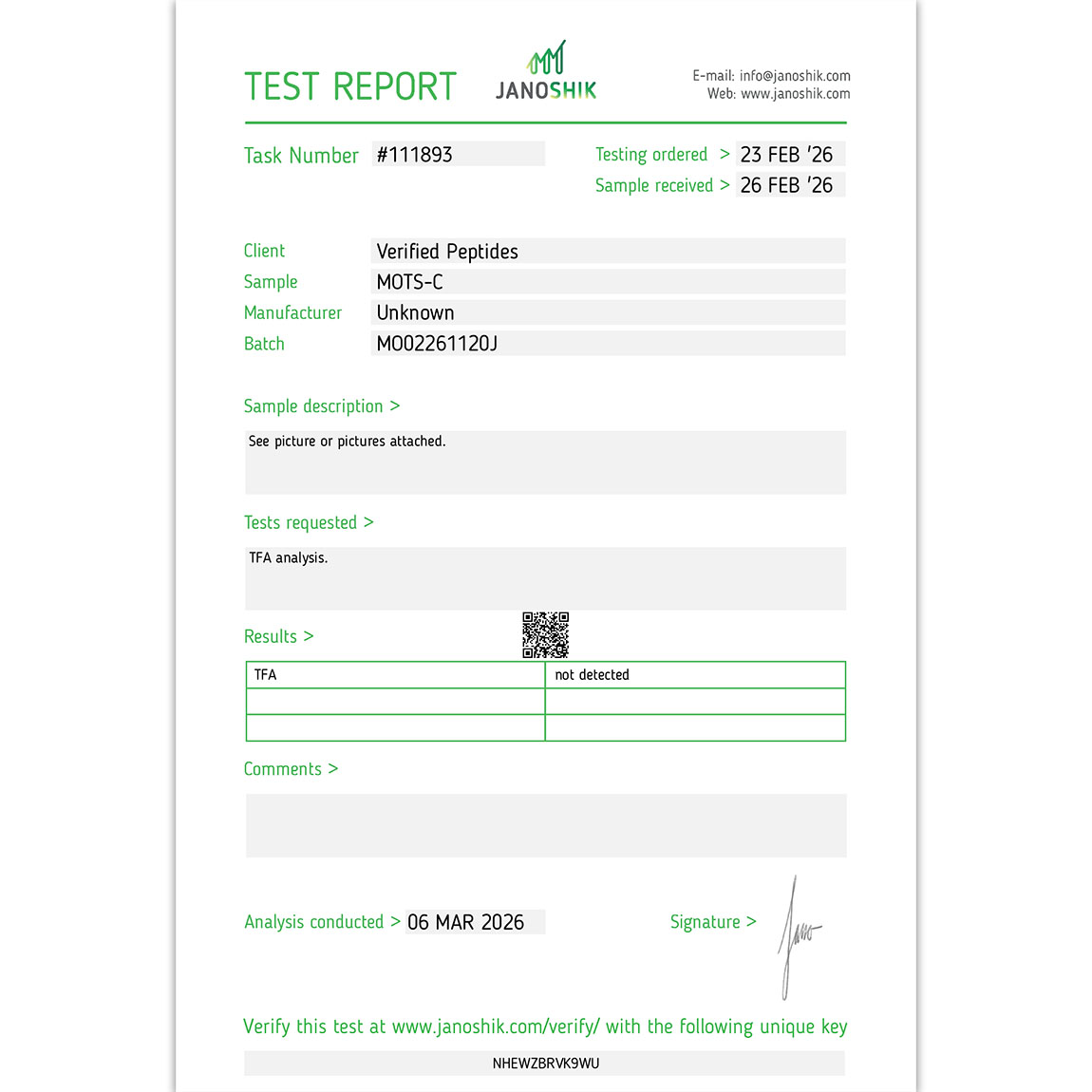
| TFA: | Not detected |
| Batch #: | MO07261420M |
| Testing Lab: | Janoshik |
| COA Verified Link: | Purity Report Endotoxin Report |
| Testing Methods: | HPLC, LAL, TAMC/YAMC USP <71> |

MOTS-c Specifications: Molecular Weight, CAS Number & Sequence
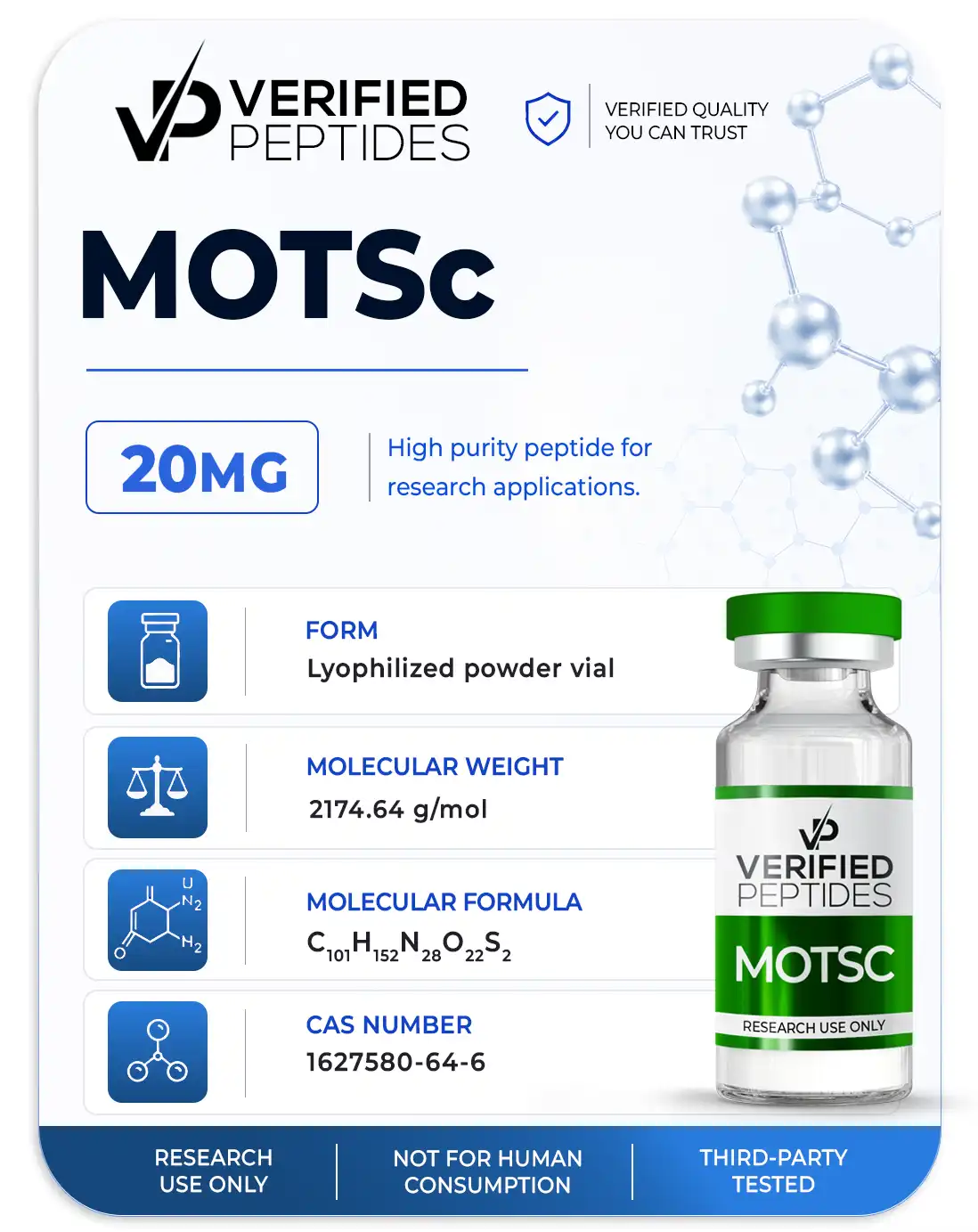
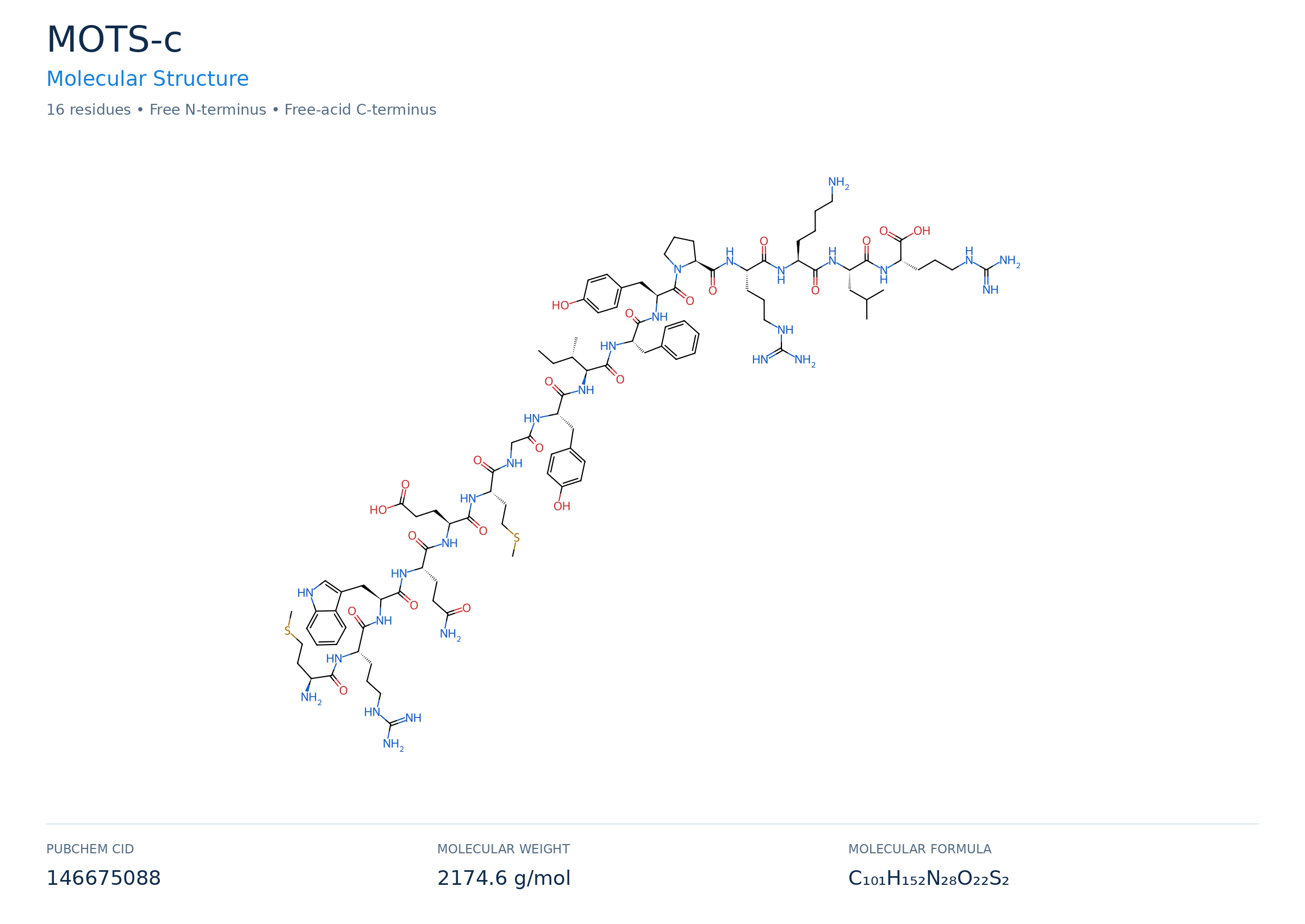
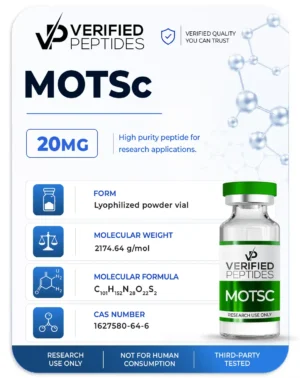
MOTS-c (CAS 1627580-64-6) is a research peptide with the molecular formula C101H152N28O22S2 and a molecular weight of 2174.64 g/mol.
| Form: | Powder (lyophilized) |
|---|---|
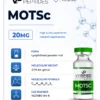
| Weight: | 20mg |
| Appearance: | White to off-white lyophilized powder |
| CAS Number: | 1627580-64-6 |
| Molecular Formula: | C101H152N28O22S2 |
| Molecular Weight: | 2174.64 g/mol |
| PubChem CID: | 146675088 |
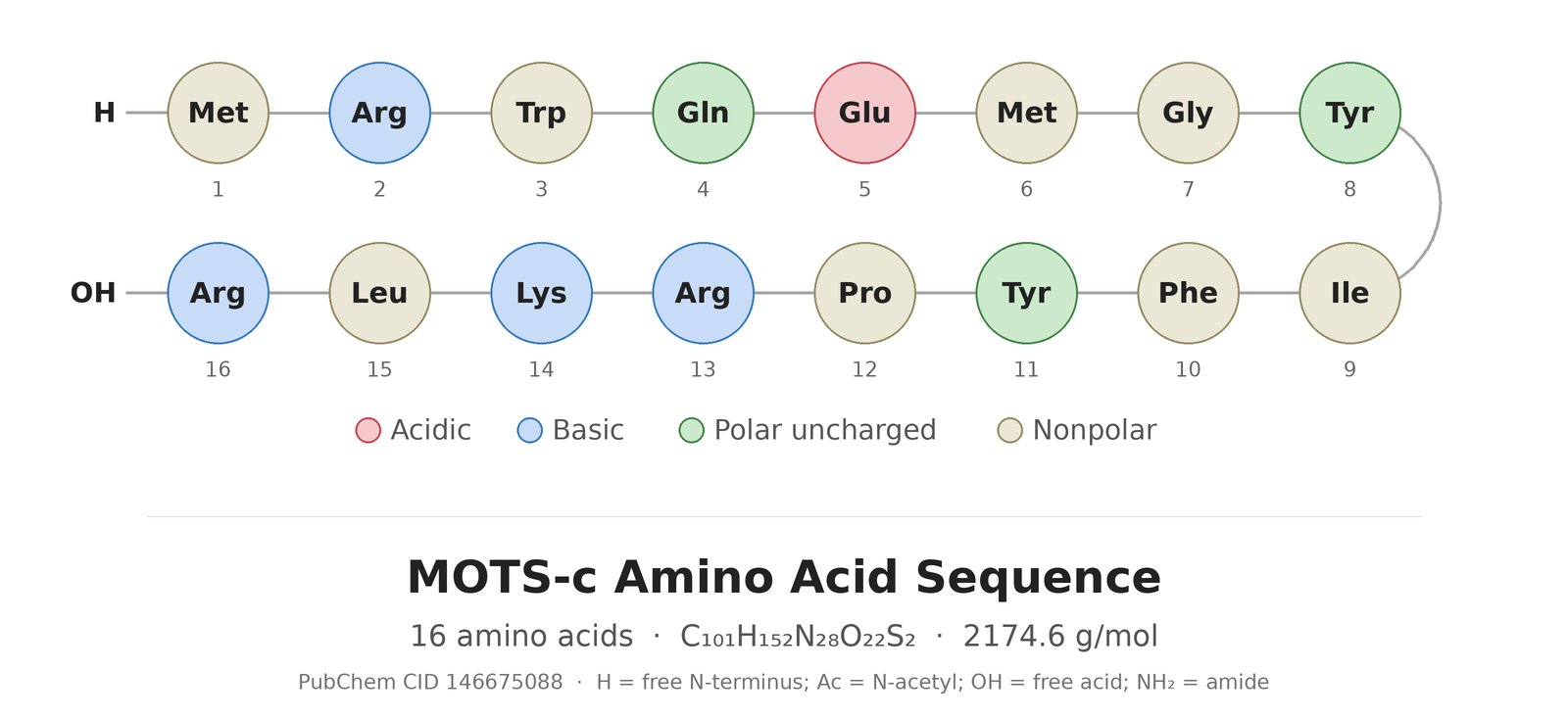
| Sequence: | H-Met-Arg-Trp-Gln-Glu-Met-Gly-Tyr-Ile-Phe-Tyr-Pro-Arg-Lys-Leu-Arg |
| Other Names: | MOTSc, MOTS-C, Mitochondrial ORF of the 12S rRNA Type-c |
| Terms: | Subject to our Terms and Conditions. This material is sold for laboratory research use only. Not for human consumption, animal, or medical use. |
MOTS-C Molecular Structure
MOTS-C Amino Acid Sequence

The industry's most trusted source for research peptides
The Leader In Peptide Testing
500+ Certificates of Analysis
You can be sure we don't cut corners on testing every single batch.
Visit our Lab Reports page.
An Established, Trusted Company
6+ Years of Peptides
We pioneered third party lab testing and have stood the test of time. Our first lab report dates back to 2019 proving our track record.
Fair market pricing
Competitively priced cost per milligram for verified quality.
Peptides Tested For More Than Purity
We conduct an array of analytical testing for our peptides:
purity, weight, endotoxins(LPS), sterility (bacteria & mold/yeast), and TFA content.
Transparent. Consistent. Reliable.
- Batch number on every vial
- Published Certificates of Analysis
- Expert customer service
- Satisfaction and quality guarantee
- Cold pack foam-lined shipping
Explore Other High-Purity Peptides

Peptide Blends
Price range: $65.00 through $107.00
Peptides
$49.99

Peptides
$44.99
Peptides
$62.00
Peptides
$119.00
Peptides
Price range: $43.00 through $77.00
Peptides
$34.99
Hear What Our Customers Say
Trusted by thousands of researchers for high-quality peptides

This is a first class operation. Quality products and the best customer service. There may be many similar type of companies out there, but this one is trusted and affordable. [...] I highly recommend this company.
Verified Peptides is hands down my favorite website for these products. I can always count on the products to be legitimate and effective, all while being affordable. Will continue to give them my business.
Outstanding product, outstanding price, outstanding shipping
What is MOTS-c?
MOTS-c (mitochondrial open reading frame of the 12S rRNA-c) is a 16-amino-acid peptide encoded in mitochondrial DNA. It was first described in 2015 by researchers at the University of Southern California, who detected it in mouse and rat tissues and in rodent and plasma. MOTS-c belongs to a small group of mitochondrial-derived peptides, alongside humanin, that researchers study as signaling molecules in cell and animal models of metabolism.
MOTS-c Peptide Research Studies
Summaries of peer-reviewed research. For research and educational purposes only.
📚 Peer-Reviewed Study · Mouse and Cell Models
MOTS-c Mouse Study: Body Weight, Energy Expenditure, and Insulin Sensitivity on a High-Fat Diet (Lee et al., Cell Metabolism, 2015)
Overview of the MOTS-c Study
This 2015 paper in Cell Metabolism (Lee et al.) identified MOTS-c and characterized its activity in cultured cells and in mice. In the main animal experiment, male mice fed a 60% high-fat diet received daily MOTS-c doses for 8 weeks. Treated mice gained less body weight than vehicle-treated mice on the same diet, while food and caloric intake were the same in both groups.
The authors also reported changes in blood glucose and insulin, skeletal-muscle insulin signaling, liver fat on histology, and whole-body energy expenditure. They linked these changes to a folate–AICAR–AMPK pathway, measured mainly in skeletal muscle.
Scope: All in vivo data in this paper come from mice, and the mechanistic work comes from cultured rat cell lines. The study did not test MOTS-c in people.
MOTS-c Study at a Glance
- Citation: Lee C, Zeng J, Drew BG, et al. Cell Metabolism. 2015;21(3):443–454.
- Study type: Discovery and mechanism study (cell culture plus mouse experiments)
- Animals: Male CD-1 and C57BL/6 mice, including young, middle-aged and aged groups
- Main model: 60% high-fat diet versus matched control diet for 8 weeks
- Administration in the study: Intraperitoneal, in mice
- Main measurements: Body weight, food intake, glucose and insulin, glucose tolerance, hyperinsulinemic-euglycemic clamp, indirect calorimetry, liver histology, AMPK and GLUT4 in muscle
- Disclosure: Two authors reported stockholder and consultant roles with CohBar, Inc.
Why Researchers Study MOTS-c
Mitochondria are usually described as the cell's energy producers. Researchers have become increasingly interested in their role as signaling hubs. Before this paper, humanin was the only known peptide encoded by a short open reading frame in mitochondrial DNA. Lee and colleagues searched for additional mitochondrial-encoded peptides and identified MOTS-c within the 12S rRNA gene.
In this study, MOTS-c levels in skeletal muscle and blood were lower in aged mice (32 months) than in young mice (4 months). The researchers then asked whether giving MOTS-c would change glucose handling and body weight in mouse models of aging and high-fat feeding.
Experimental Design and Methodology
The paper combined several experiments. Each used its own animals, duration and protocol:
- High-fat diet study: 8-week-old male CD-1 mice received a 60% high-fat diet or a matched control diet (n = 10 per group), with daily intraperitoneal MOTS-c (0.5 mg/kg/day) or vehicle for 8 weeks. Researchers tracked body weight, food and caloric intake, glucose, insulin, liver histology, and muscle AMPK and GLUT4.
- Energy expenditure: A separate group of high-fat-fed CD-1 mice was treated for 3 weeks and then measured by indirect calorimetry (respiratory exchange ratio, heat production and activity).
- Insulin sensitivity: High-fat-fed C57BL/6 mice were treated for 7 days at a higher experimental dose (5 mg/kg/day) and then studied with a hyperinsulinemic-euglycemic clamp.
- Aging comparison: Young (3 months) and middle-aged (12 months) male C57BL/6 mice were treated for 7 days. Insulin-stimulated glucose uptake was then measured in isolated soleus muscle.
- Cell studies: HEK293 cells and rat L6 muscle cells were used to map the metabolic pathway.
Doses are reported here only to describe the published methods accurately. They are specific to these mouse protocols.
What Did the MOTS-c Study Find? Body Weight and Food Intake
On the control diet, MOTS-c treatment did not change body weight. On the 60% high-fat diet, MOTS-c-treated mice gained less weight over 8 weeks than vehicle-treated mice, and the authors reported identical caloric intake between groups. The authors reported a similar result in C57BL/6 mice.
In the 3-week calorimetry experiment, treated mice had a higher respiratory exchange ratio, which indicates a greater share of carbohydrate in fuel use. They also produced more body heat, while total physical activity was similar between groups. The authors concluded that the body-weight difference was associated with higher energy expenditure rather than lower food intake.
Glucose, Insulin, and Clamp Results
At the end of the 8-week high-fat diet study, MOTS-c-treated mice had lower circulating insulin than high-fat-fed controls. The authors described this as preventing diet-induced hyperinsulinemia.
In the 7-day clamp study, the glucose infusion rate needed to hold blood glucose steady was about 30% higher in treated mice. Insulin-stimulated glucose disposal, which mainly reflects skeletal muscle, also increased. Hepatic glucose production was similar between groups. The authors interpreted this pattern as an effect concentrated in skeletal muscle rather than the liver.
In the aging comparison, isolated muscle from 12-month-old mice took up less glucose in response to insulin than muscle from 3-month-old mice. After 7 days of MOTS-c treatment, muscle from the older mice took up glucose at levels comparable to the younger group.
Liver Histology in High-Fat-Fed Mice
Liver sections stained with hematoxylin and eosin (H&E) showed less lipid accumulation in high-fat-fed mice treated with MOTS-c than in high-fat-fed controls. This was a histological observation in mice at the end of the 8-week protocol. The study did not measure liver function or longer-term outcomes.
How Does MOTS-c Work? The Folate–AICAR–AMPK Pathway
In cultured cells, MOTS-c acted on the folate cycle and slowed de novo purine synthesis. This raised levels of AICAR, an intermediate of that pathway that is also a known activator of AMP-activated protein kinase (AMPK). Cells exposed to MOTS-c took up more glucose. Adding folic acid reversed the effect, which supports a folate-cycle link.
In high-fat-fed mice, MOTS-c treatment was associated with increased AMPK phosphorylation and higher GLUT4 levels in skeletal muscle. Together with the clamp results, the authors proposed skeletal muscle as a major target tissue. They described AICAR–AMPK as partly, but not fully, explaining the effects they observed.
Limitations and Research Context
- The in vivo experiments used small groups of mice (about 6–10 per group), mostly males, over periods of 7 days to 8 weeks.
- The paper combines several different protocols, doses and mouse strains. Each finding applies to its own experiment.
- Results in mouse diet models and cell lines do not establish effects, safety or appropriate exposure in any other species.
- MOTS-c research has grown since 2015, including studies of exercise and endogenous MOTS-c levels. Those studies fall outside this paper and are not summarized here.
Conclusion
Lee et al. (2015) identified MOTS-c as a peptide encoded in mitochondrial DNA. In mice fed a high-fat diet, daily MOTS-c administration was associated with less weight gain at equal caloric intake, higher energy expenditure, lower insulin levels and less liver lipid on histology. Clamp and isolated-muscle studies pointed to skeletal muscle as the main site of action, through a folate–AICAR–AMPK pathway.
These are findings from mouse and cell-culture experiments only. This summary is provided for research and educational purposes. Statements on this page have not been evaluated by the FDA. Research compounds offered on this site are for laboratory research use only. They are not intended for human or veterinary use, or to diagnose, treat, cure, mitigate or prevent any disease.
Frequently Asked Questions
What is MOTS-c and where is it encoded?
MOTS-c is a 16-amino-acid peptide encoded by a short open reading frame within the 12S rRNA gene of mitochondrial DNA. Lee et al. (2015) first described it and detected it in rodent tissues and in rodent and plasma.
What did the 2015 MOTS-c mouse study find?
In male mice on a 60% high-fat diet, daily MOTS-c dosing for 8 weeks was associated with less body-weight gain than in vehicle-treated mice, with no difference in food or caloric intake. Treated mice also had lower insulin levels, higher energy expenditure and less liver lipid on histology.
What did the clamp experiments show about MOTS-c and insulin sensitivity in mice?
After 7 days of treatment, high-fat-fed mice needed about 30% more glucose infusion to hold blood glucose steady during a hyperinsulinemic-euglycemic clamp. Muscle glucose disposal increased while liver glucose production was unchanged, pointing to skeletal muscle as the main tissue involved.
How does MOTS-c activate AMPK in the study?
In cultured cells, MOTS-c inhibited the folate cycle and de novo purine synthesis, causing AICAR to accumulate. AICAR activates AMPK. In high-fat-fed mice, treatment was associated with increased AMPK phosphorylation and GLUT4 in skeletal muscle.
Did MOTS-c levels change with age in this study?
Yes. MOTS-c levels in skeletal muscle and serum were lower in 32-month-old mice than in 4-month-old mice. In a separate experiment, muscle from 12-month-old mice treated for 7 days took up insulin-stimulated glucose at levels comparable to muscle from 3-month-old mice.
Study Reference
Lee C, Zeng J, Drew BG, Sallam T, Martin-Montalvo A, Wan J, Kim SJ, Mehta H, Hevener AL, de Cabo R, Cohen P. The mitochondrial-derived peptide MOTS-c promotes metabolic homeostasis and reduces obesity and insulin resistance. Cell Metab. 2015;21(3):443–454. doi:10.1016/j.cmet.2015.02.009
https://pubmed.ncbi.nlm.nih.gov/25738459/
IN THE KNOW
Join over 5,000 active members and get updates on new arrivals and latest lab reports.