
Tesofensine (400 mcg, 60 units)
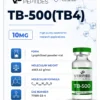
TB-500 Peptide (TB4) 10MG
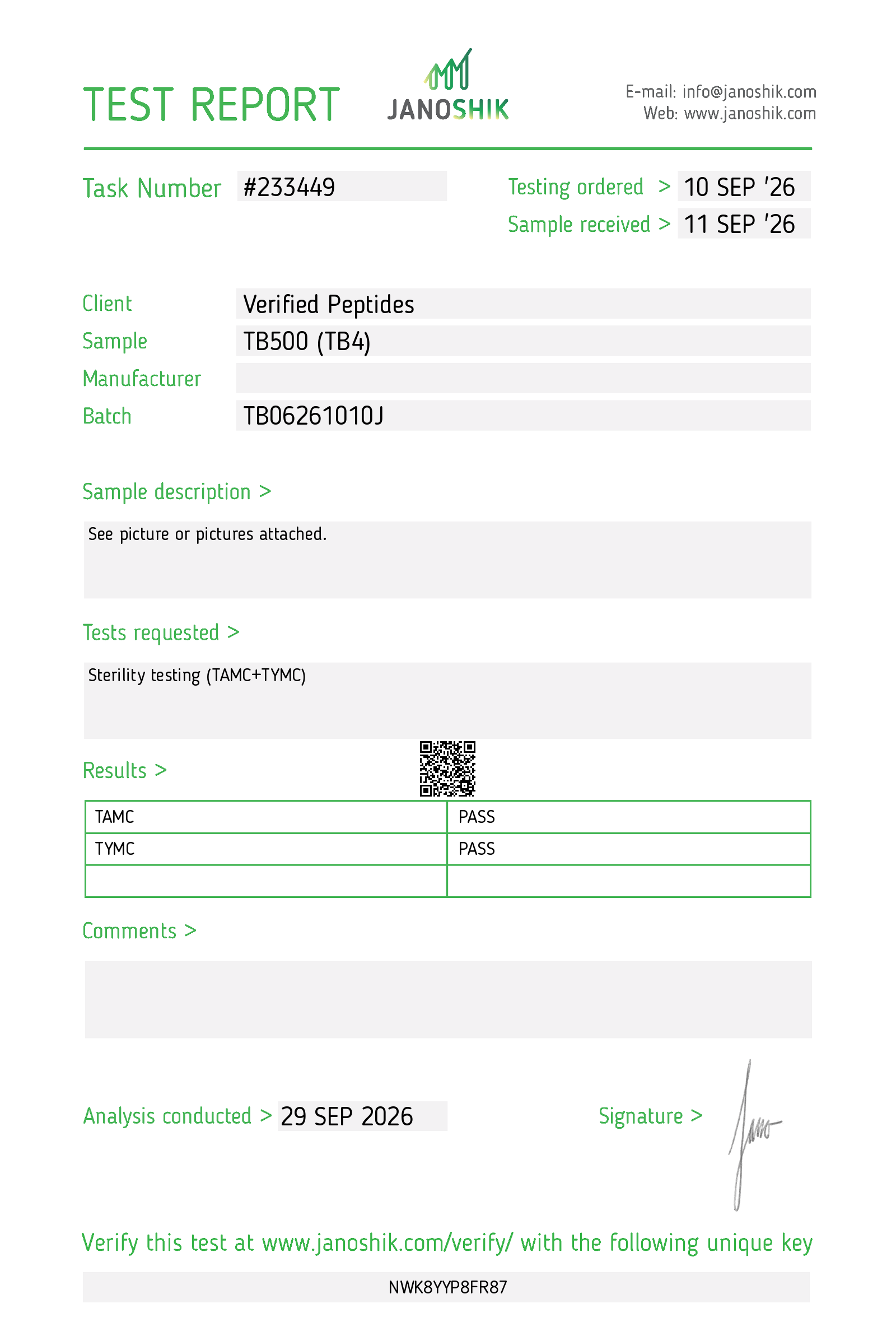
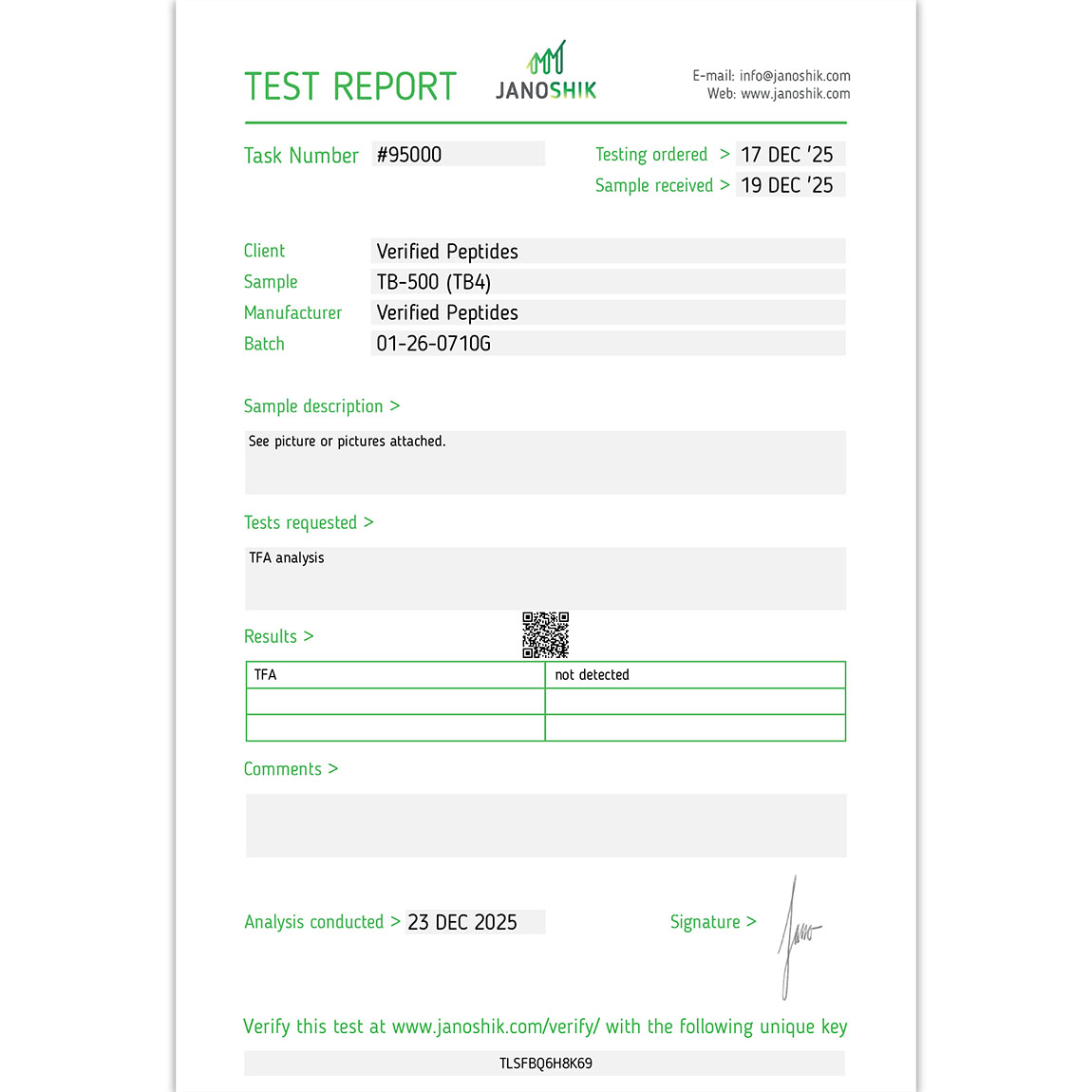
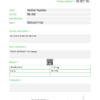
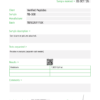
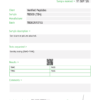
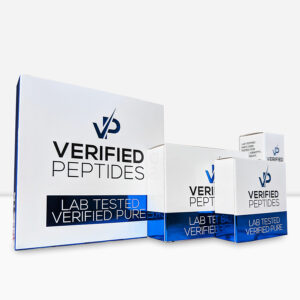
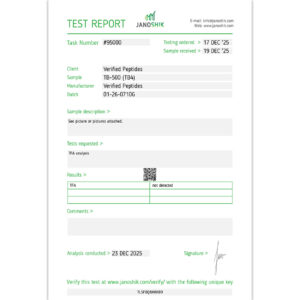
This batch of TB-500(TB4) has been third party lab tested and verified for quality.

TESTED FOR:

purity
weight
TFA FREE
sterility
endotoxins(lps)
$62.00
| Quantity | Price | |
|---|---|---|
| 0% | 1 - 4 | $62.00 |
| 10% | 5 - 9 | $55.80 |
| 20% | 10 - 19 | $49.60 |
| 30% | 20 + | $43.40 |
This product comes as lyophilized powder and is not reconstituted. All products and materials sold on this site are for Research Use Only and not for human use; subject to our Terms and Conditions.

2-Day Shipping
Order by 2:00 PM ET

INSULATED SHIPPING
Ice foam-box shipping available
| Peptide vial specifications | Results | |
|---|---|---|
Not reconstituted | ||
Bottle type: | Vial - sealed - flip top | |
Form: | Powder (lyophilized) | |
Vial size: | 3ML | |
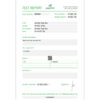
TB-500 (TB4) Certificate of Analysis (COA) Test Result
| Date Tested: | |
|---|---|
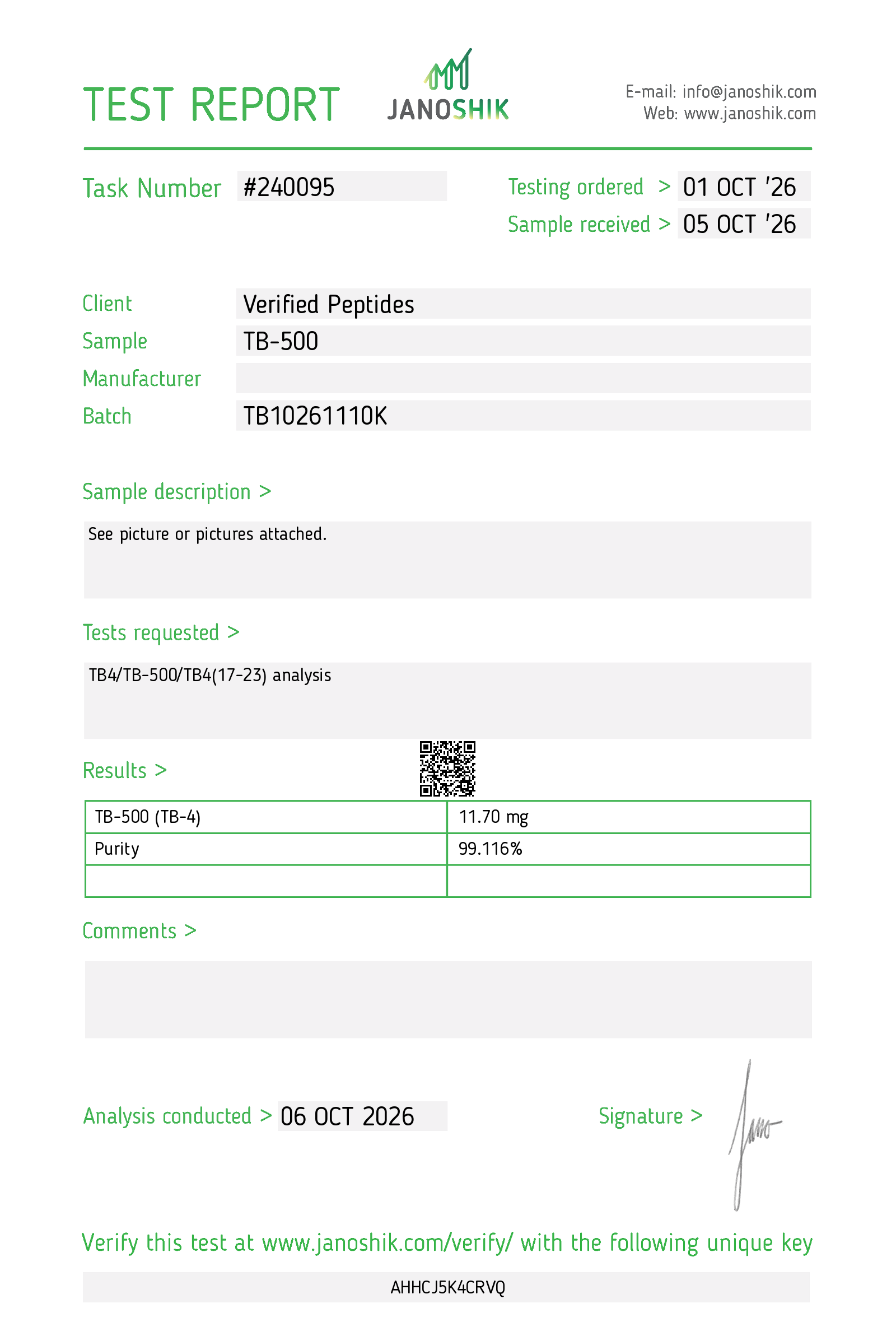
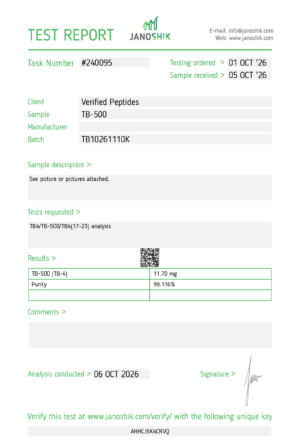
| Purity: | 99.116% |
| Weight: | 11.70mg |
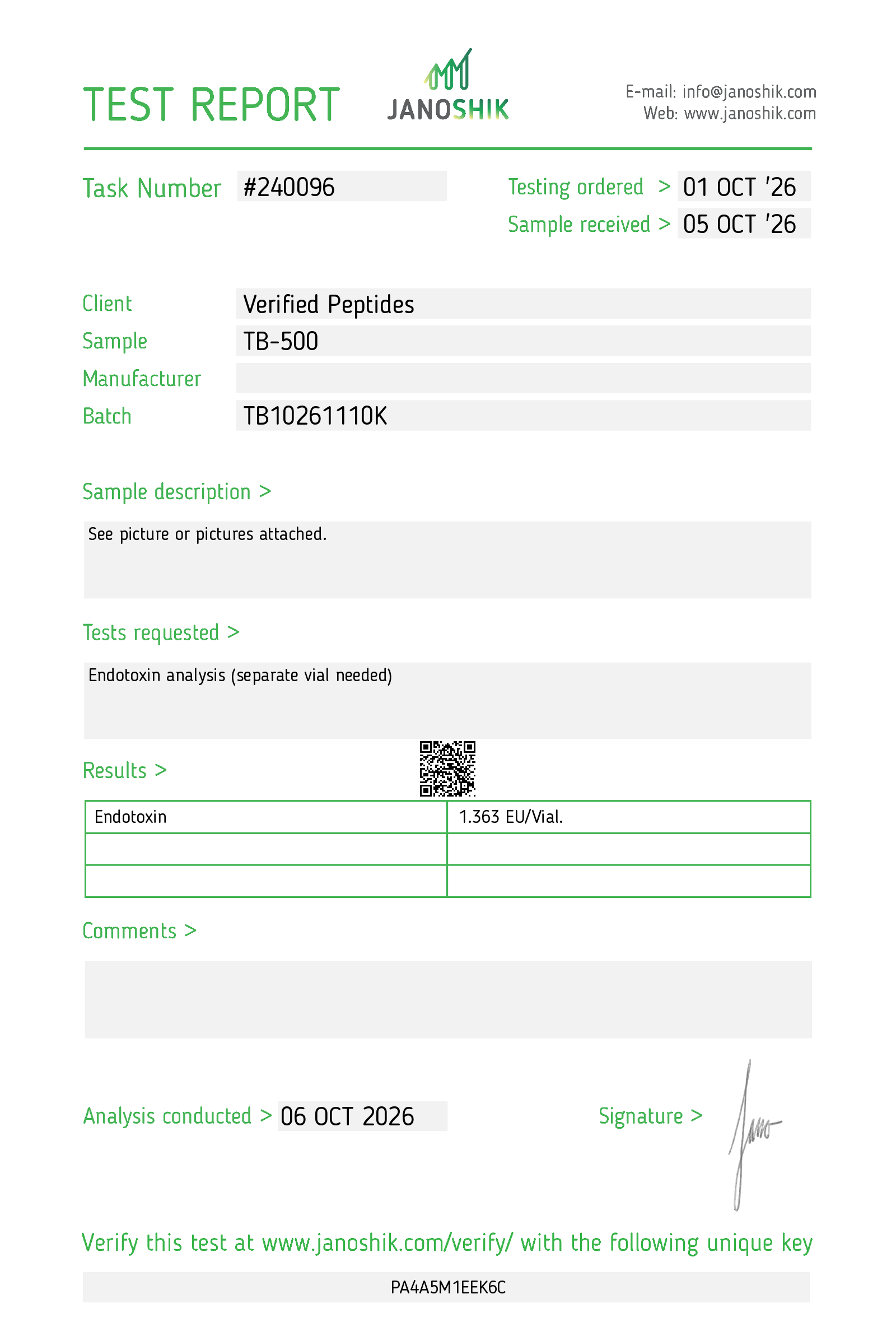
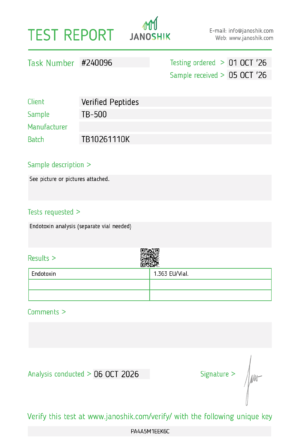
| Endotoxins (LPS): | Pass |
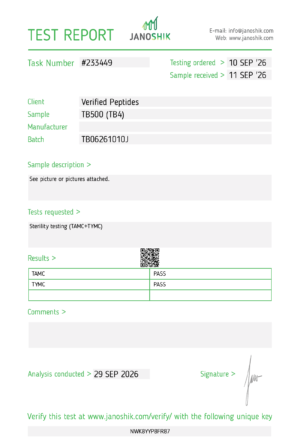
| Sterility: | Pass |
| Batch #: | TB10261110K |
| Testing Lab: | Janoshik |
| COA Verified Link: | Purity Report Endotoxin Report |
| Testing Methods: | HPLC, LAL, TAMC/YAMC USP <71> |

This is the full sequence(43aa) version of TB500 (TB4) peptide. For the less common short amino sequence(7aa) version of TB500, please see the other Frag(17-23) TB500 product page.
TB-500 (Thymosin Beta-4) Specifications: Molecular Weight, CAS Number & Sequence
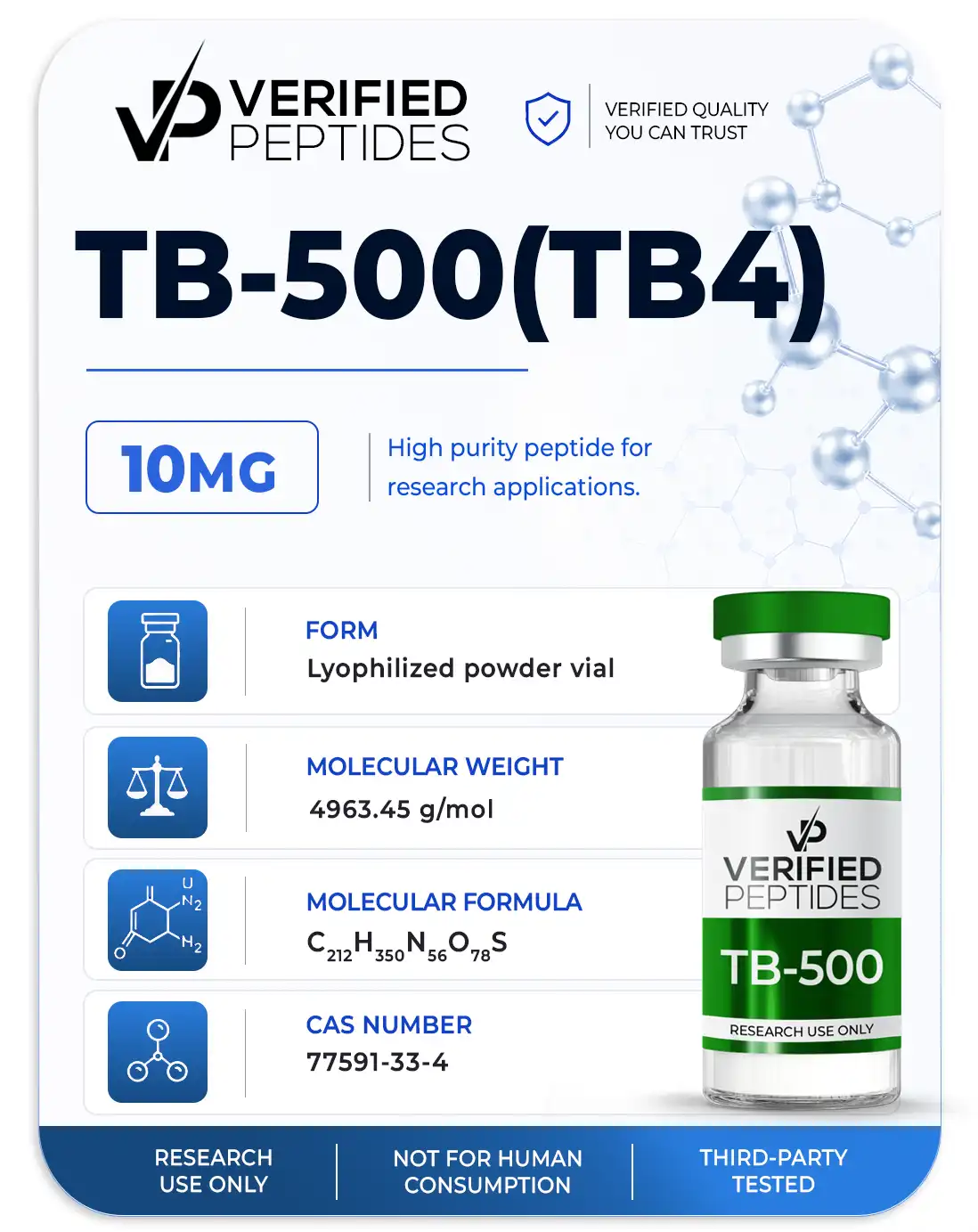
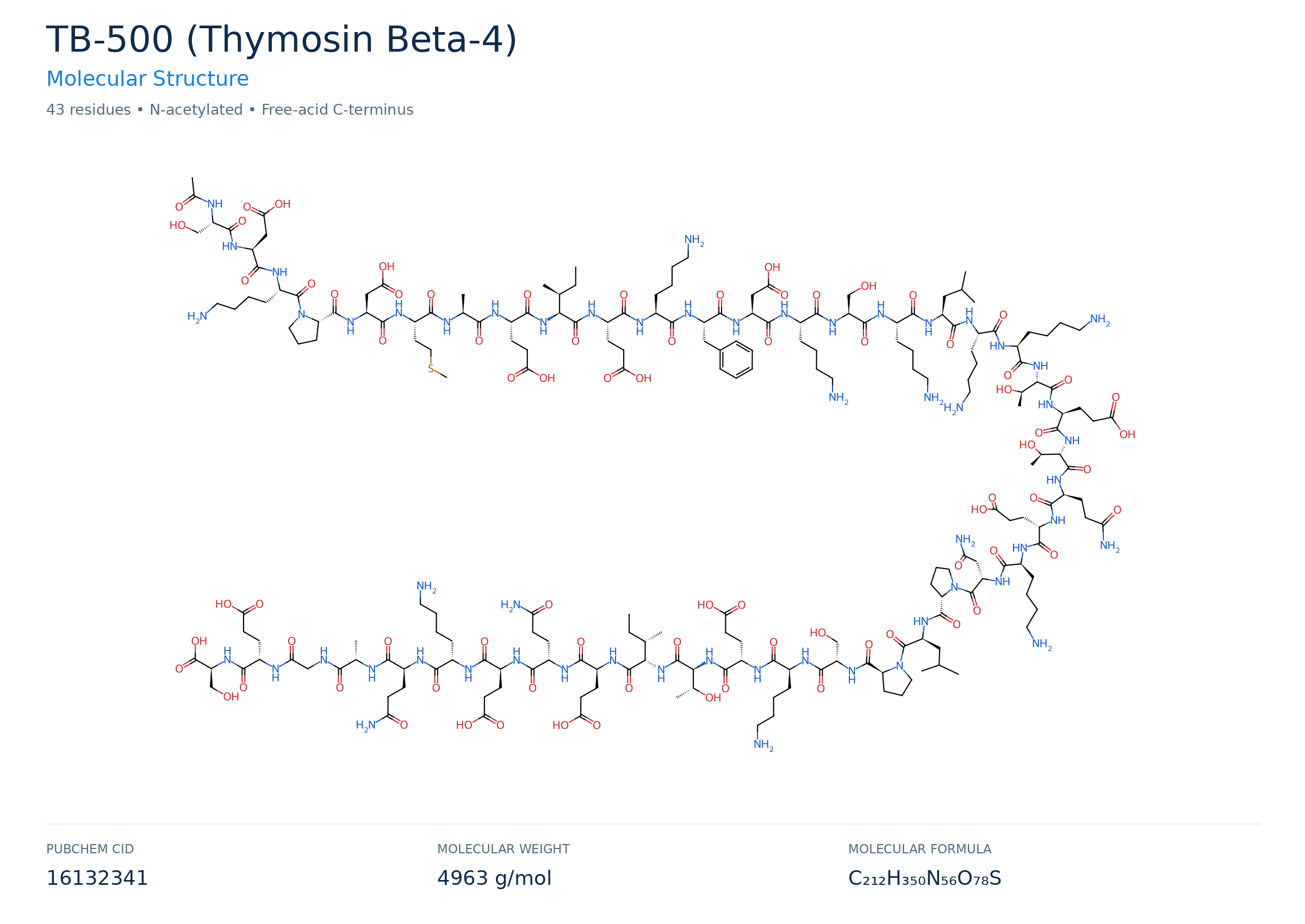
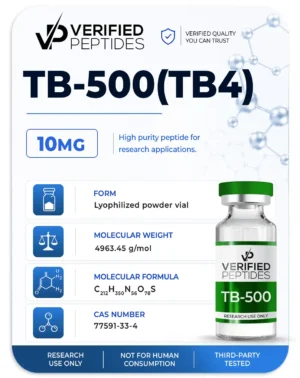
TB-500 (CAS 77591-33-4) is a research peptide with the molecular formula C212H350N56O78S and a molecular weight of 4963.4408 g/mol.
| Form: | Powder (lyophilized) |
|---|---|
| Weight: | 10mg |
| Appearance: | White lyophilized powder |
| CAS Number: | 77591-33-4 |
| Molecular Formula: | C212H350N56O78S |
| Molecular Weight: | 4963.4408 g/mol |
| PubChem CID: | 16132341 |
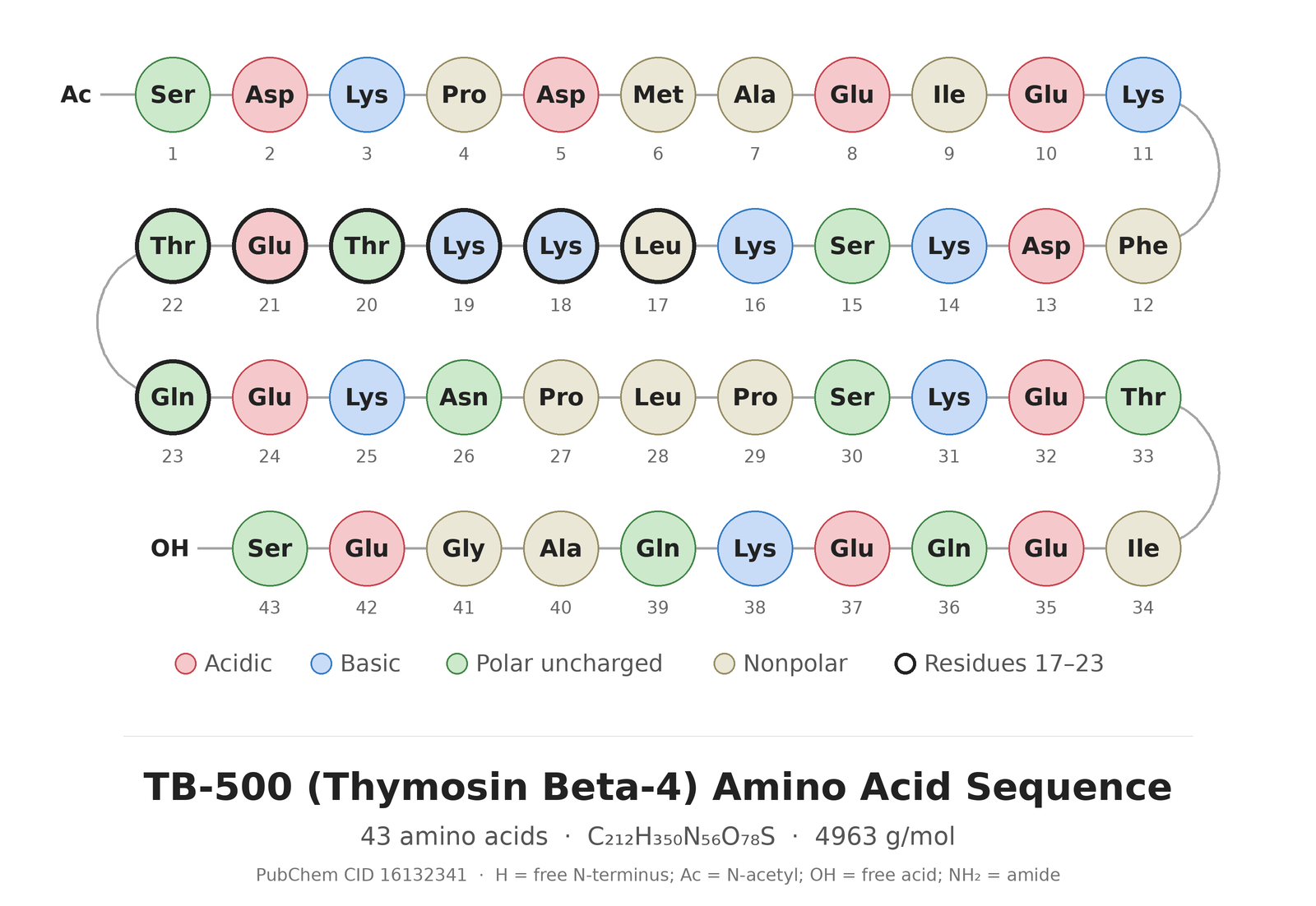
| Sequence: | Ac-Ser-Asp-Lys-Pro-Asp-Met-Ala-Glu-Ile-Glu-Lys-Phe-Asp-Lys-Ser-Lys-Leu-Lys-Lys-Thr-Glu-Thr-Gln-Glu-Lys-Asn-Pro-Leu-Pro-Ser-Lys-Glu-Thr-Ile-Glu-Gln-Glu-Lys-Gln-Ala-Gly-Glu-Ser |
| Other Names: | TB500, TB-500, TB4, TB-4, Thymosin Beta 4, Thymosin β4, Tβ4 |
| Terms: | Subject to our Terms and Conditions. This material is sold for laboratory research use only. Not for human consumption, animal, or medical use. |
TB-500 (TB4) Molecular Structure
TB-500 (TB4) Amino Acid Sequence

The industry's most trusted source for research peptides
The Leader In Peptide Testing
500+ Certificates of Analysis
You can be sure we don't cut corners on testing every single batch.
Visit our Lab Reports page.
An Established, Trusted Company
6+ Years of Peptides
We pioneered third party lab testing and have stood the test of time. Our first lab report dates back to 2019 proving our track record.
Fair market pricing
Competitively priced cost per milligram for verified quality.
Peptides Tested For More Than Purity
We conduct an array of analytical testing for our peptides:
purity, weight, endotoxins(LPS), sterility (bacteria & mold/yeast), and TFA content.
Transparent. Consistent. Reliable.
- Batch number on every vial
- Published Certificates of Analysis
- Expert customer service
- Satisfaction and quality guarantee
- Cold pack foam-lined shipping
Explore Other High-Purity Peptides
Peptide Blends
Price range: $65.00 through $107.00
Peptides
$49.99
Peptides
$44.99
Peptides
$62.00
Peptides
$119.00
Peptides
Price range: $43.00 through $77.00
Peptides
$34.99
Hear What Our Customers Say
Trusted by thousands of researchers for high-quality peptides

This is a first class operation. Quality products and the best customer service. There may be many similar type of companies out there, but this one is trusted and affordable. [...] I highly recommend this company.
Verified Peptides is hands down my favorite website for these products. I can always count on the products to be legitimate and effective, all while being affordable. Will continue to give them my business.
Outstanding product, outstanding price, outstanding shipping
What is TB-500 (Thymosin Beta-4)?
TB-500 is a research name commonly used for synthetic peptide material related to thymosin beta-4 (Tβ4). Tβ4 is a naturally occurring 43-amino-acid, actin-binding peptide found in almost all mammalian cells, with especially high levels in platelets and white blood cells. Researchers study Tβ4 in cell and animal models of cell migration, blood-vessel formation, inflammation and tissue repair. The review summarized below describes animal studies of thymosin β4 itself.
TB-500 Research Studies
Summaries of peer-reviewed research. For research and educational purposes only.
🔬 Review of Animal Studies · Multiple Species
Thymosin Beta-4 (TB-500) Animal Research Review: Tissue Repair Models in Mice, Rats and Pigs (Philp & Kleinman, 2010)
Overview of the Thymosin Beta-4 Review
This 2010 paper in the Annals of the New York Academy of Sciences (Philp and Kleinman, National Institute of Dental and Craniofacial Research, NIH) reviews published animal studies of thymosin β4. It is a review article, not a single experiment. It summarizes topical studies in eye and skin wound models, and systemic studies in heart, brain, sepsis and autoimmune models, mostly in mice and rats, with one study in pigs.
Scope: The review covers animal and cell research on thymosin β4.
Note on terminology: The review studies thymosin β4. It does not use the name "TB-500". It notes that full-length synthetic and recombinant Tβ4, and one shorter Tβ4-derived peptide containing the actin-binding site, were each active in mouse skin-wound models.
Thymosin Beta-4 Review at a Glance
- Citation: Philp D, Kleinman HK. Ann N Y Acad Sci. 2010;1194:81–86.
- Article type: Review of published animal studies
- Species covered: Mice and rats, plus a pig cardiac model and a sheep reperfusion model
- Topical models: Corneal injury, skin (dermal) wounds, hair regrowth
- Systemic models: Coronary ligation, cardiac reperfusion, brain injury, endotoxin shock, experimental autoimmune encephalomyelitis
- Author disclosure: One author reported consulting for RegeneRx Biopharmaceuticals, a company developing thymosin β4.
What Is Thymosin Beta-4?
Tβ4 is the main actin-sequestering molecule in mammalian cells. By binding actin, it influences cell shape and movement. The review notes that, unlike classic growth factors, Tβ4 does not itself promote cell growth and does not bind heparin, which lets it diffuse into tissues. It is also smaller: 4,964 Da, compared with about 14,000–16,000 Da for typical growth factors.
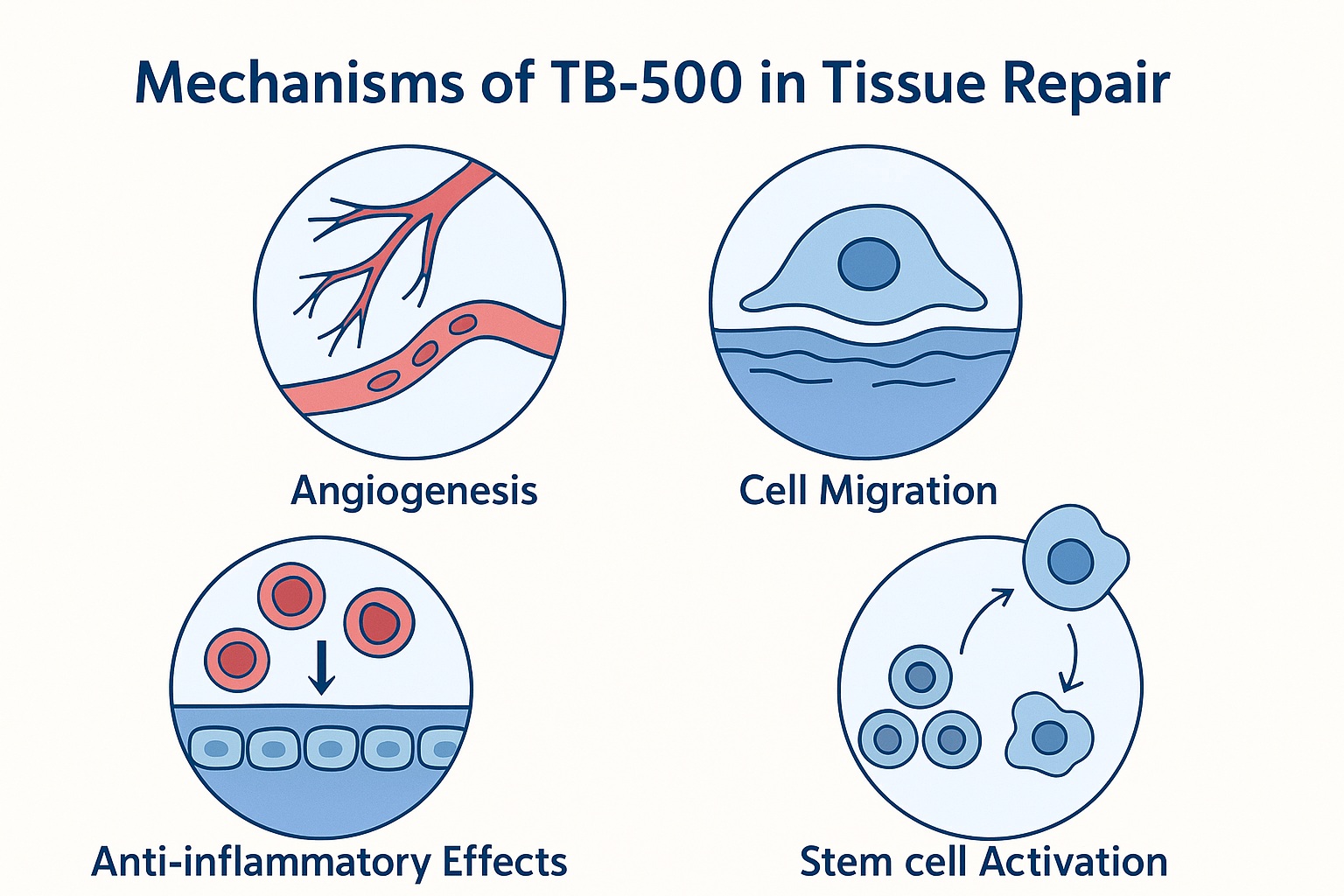
Tβ4 is present in wound fluid and is released by platelets, which are among the first cells to reach a site of injury. In cell and animal studies, the authors list several reported activities:
- Promotion of cell migration, including re-epithelialization
- Formation of new blood vessels (angiogenesis)
- Reduced levels of some inflammatory cytokines and chemokines
- Reduced cell death (anti-apoptotic activity) in some models
- Effects on stem and progenitor cell migration and differentiation
- Reduced fibrosis in some cardiac and neural models
Proposed activities of thymosin beta-4 described in animal and cell studies
Topical Thymosin Beta-4 Studies in Animal Models
Corneal injury: In rat and mouse corneas injured with heptanol or alkali, topical Tβ4 (5 µg in 5 µL, twice daily) was associated with faster re-epithelialization. In the alkali model, it was associated with lower inflammatory markers. Reported mechanisms included reduced matrix metalloproteinase activity, reduced TNF-α-driven cytokine release and NF-κB activation, and increased laminin-5. The review notes that Tβ4 did not induce new blood vessels in the cornea.
Skin wounds: In full-thickness punch wounds in rats and mice, topical Tβ4 (5–50 µg per wound) was associated with faster wound closure, more collagen deposition and more angiogenesis. This included models of impaired healing, such as diabetic (db/db) mice, aged mice and steroid-treated rats.
Hair regrowth: An unexpected observation in the skin studies was increased hair growth near treated wounds. Follow-up studies in shaved rats and mice applied Tβ4 in a hydrogel every other day. Cell studies suggested this involved migration and differentiation of hair follicle stem cells, activating existing follicles rather than forming new ones.
Systemic Thymosin Beta-4 Studies in Animal Models
Systemic doses in the reviewed studies ranged from 400 ng per animal (intracardiac administration in mice) to 15 mg per animal (retroinfusion in pigs of about 25 kg):
- Heart: In a mouse coronary ligation model, Tβ4 was associated with better cardiomyocyte survival and cardiac function. The proposed mechanism involved integrin-linked kinase (ILK) and Akt activation. In a pig reperfusion model, it was associated with smaller infarct size and less inflammatory cell influx.
- Brain: In rats, Tβ4 delivered into the brain ventricles twice daily for 5 days was associated with less hippocampal neuron loss after kainic acid injury.
- Autoimmune encephalomyelitis: In mice with this model of central nervous system inflammation, intraperitoneal Tβ4 was associated with functional recovery, less inflammation and more mature oligodendrocytes.
- Endotoxin shock: In rats given a lethal dose of bacterial lipopolysaccharide, Tβ4 at 0, 2 and 4 hours was associated with lower mortality and lower inflammatory cytokines.
Nonclinical Toxicology Reported in the Review
The review cites nonclinical toxicology studies in which intravenous Tβ4 was well tolerated in rats, dogs and monkeys across the dose ranges tested. The cited source describes these studies as part of Tβ4 drug development (Crockford, 2007). They do not establish the safety of any other material, route or species.
Limitations and Research Context
- This is a narrative review, not a systematic review or meta-analysis. Each finding comes from a separate study with its own design and sample size.
- Most studies used full-length thymosin β4. Results may not apply to shorter fragments or other materials sold under the name TB-500.
- Many studies came from a small number of laboratories, and one author disclosed a consulting relationship with a company developing Tβ4.
- Tβ4 has also been studied in relation to tumor cell motility and metastasis, which the review cites in its reference list.
- Animal findings do not establish effects, safety or dosing in people.
Conclusion
Philp and Kleinman (2010) summarize animal research in which thymosin β4 was associated with faster corneal and skin wound closure, more angiogenesis, hair-follicle activation, and reduced cell loss or inflammation in cardiac, neural and sepsis models. The authors attribute these observations to Tβ4's roles in cell migration, inflammation, cell survival and stem-cell differentiation, while noting that much remains to be learned about its mechanisms.
This summary is provided for research and educational purposes. Statements on this page have not been evaluated by the FDA. Research compounds offered on this site are for laboratory research use only. They are not intended for human or veterinary use, or to diagnose, treat, cure, mitigate or prevent any disease.
Frequently Asked Questions
What is thymosin beta-4 (Tβ4)?
Thymosin β4 is a naturally occurring 43-amino-acid peptide that binds actin. It is found in almost all mammalian cells and is especially abundant in platelets and white blood cells.
Is TB-500 the same as thymosin beta-4?
"TB-500" is a research name used for synthetic peptide material related to thymosin β4. The review summarized here studies thymosin β4 itself and does not use the name TB-500. Researchers should check the exact sequence of any material against the compound used in a given study.
What animal models are covered in the thymosin beta-4 review?
Topical studies in corneal injury, skin wound and hair regrowth models in rats and mice, and systemic studies in mouse and pig heart models, rat brain injury, mouse autoimmune encephalomyelitis and rat endotoxin shock.
What did topical thymosin beta-4 studies report in skin wound models?
In rat and mouse punch-wound models, including diabetic and aged mice, topical Tβ4 was associated with faster wound closure, increased collagen deposition and increased angiogenesis.
How is thymosin beta-4 different from growth factors?
Tβ4 does not itself promote cell growth, does not bind heparin, and is smaller than typical growth factors (4,964 Da versus about 14,000–16,000 Da). The review describes it as acting on many cell types.
Study Reference
Philp D, Kleinman HK. Animal studies with thymosin β4, a multifunctional tissue repair and regeneration peptide. Ann N Y Acad Sci. 2010;1194:81–86. doi:10.1111/j.1749-6632.2010.05479.x
https://pubmed.ncbi.nlm.nih.gov/20536453/
IN THE KNOW
Join over 5,000 active members and get updates on new arrivals and latest lab reports.