
Reducing LPS Risk: Best Practices in Peptide Production
Author: Dr. Numan S. Date: December 4, 2025
Why LPS Risk Matters in Peptide Research
Lipopolysaccharides (LPS) are endotoxins from Gram-negative bacterial cell walls that can heavily skew experimental outcomes even at trace levels. When peptides used in research carry LPS contamination, they may trigger unwanted immune responses or inflammation, masking the peptide’s true biological effects. This LPS risk is critical to peptide studies: low levels of endotoxin can induce cytokine release or false-positive readouts in cell cultures and animals, undermining data integrity. For example, microglia or macrophage assays can become inadvertently activated by contaminant LPS rather than the peptide itself. Ensuring low-endotoxin peptides is therefore essential to obtain accurate, reproducible results. In vivo, endotoxins can cause fever or even endotoxic shock, so peptides intended for therapeutic research must be essentially endotoxin-free to avoid dangerous reactions.
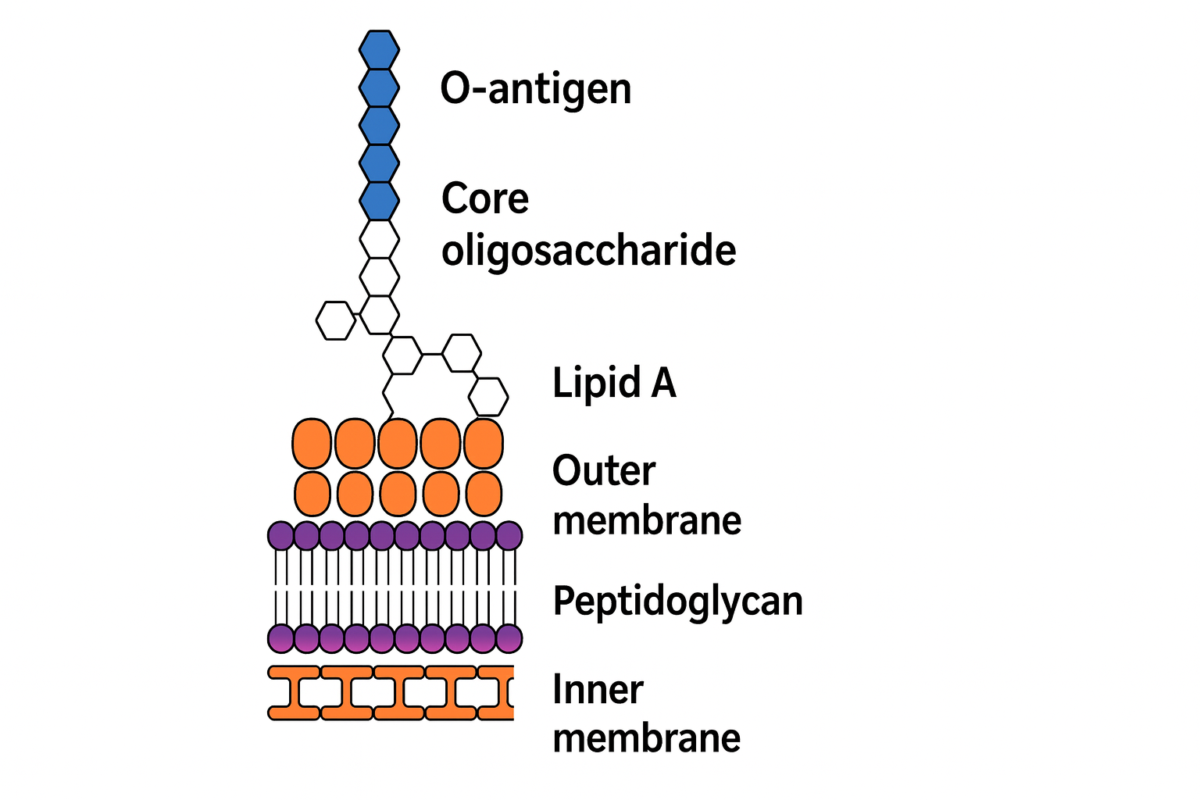
Figure 1: General workflow for isolating peptides from a biological sample.
LPS Risk in Peptide Production
During peptide manufacturing, several stages are vulnerable to LPS intrusion. Early in solid-phase peptide synthesis, the predominantly organic, harsh conditions are inhospitable to microbes and endotoxins. However, risk rises sharply in later steps when aqueous environments are introduced. The purification stage, often using water-based buffers (e.g. during HPLC or dialysis), is a critical point for LPS contamination. At this stage, endotoxins can enter from contaminated buffer solutions, unclean chromatography columns, or improper handling by personnel.
For example, if water or buffer prepared for peptide purification isn’t endotoxin-free, it can carry LPS that binds to the peptide product. Equipment that contacts the peptide – such as tubing, glass flasks, or filter units – may leach residual LPS if not depyrogenated. Even the air in production areas can deposit particulates carrying endotoxin. After purification, steps like lyophilization also pose LPS risk: a peptide solution may become contaminated if the lyophilizer chamber or condenser has bacterial residues. Failure to rigorously clean and quality control these production apparatus can result in endotoxin-laden peptide batches. In essence, poor GMP controls at any point can introduce endotoxin, which is why manufacturers target well below the regulatory endotoxin limits for injectable peptides. High peptide purity is not only about chemical purity but also absence of pyrogens
How LPS Contamination Occurs
LPS is released by Gram-negative bacteria during growth and upon cell death, making endotoxin a ubiquitous environmental contaminant. In laboratories, LPS contamination can arise through multiple routes. Water is a major vector: pure water systems that aren’t properly maintained can harbor biofilms of endotoxin-producing bacteria, introducing LPS into any reagent or buffer[7]. Ordinary lab reagents and materials often carry endotoxin traces – for instance, animal-derived products like serum, or bacterial expression reagents (e.g. E. coli–derived enzymes) can come with endotoxin unless rigorously screened. Everyday labware is another culprit: LPS adsorbs strongly to plastics and glass due to its amphipathic, hydrophobic nature.It resists regular autoclaving and can linger on improperly decontaminated tubes, pipettes, or containers. Even researchers themselves are a source – bacteria on skin, hair, and in the air can shed endotoxins, which then settle on open peptide solutions or culture media. Thus, without contamination prevention measures, endotoxin can infiltrate peptides during synthesis, purification, or handling.
Bench-Level Sources of LPS Contamination
Endotoxin hazards continue at the research bench. A peptide that leaves the factory with low endotoxin levels can pick up LPS in a standard lab environment if precautions falter. Common lab supplies are frequent sources of LPS contamination. For instance, culture media and additives should be purchased certified as endotoxin-tested, since fetal bovine serum and trypsin solutions historically carried high endotoxin until improved screening became standard. Laboratory water is another potential contaminant: using non-sterile or non-ultrapure water to reconstitute peptides or prepare buffers can introduce endotoxin from bacterial biofilm in water lines[7].
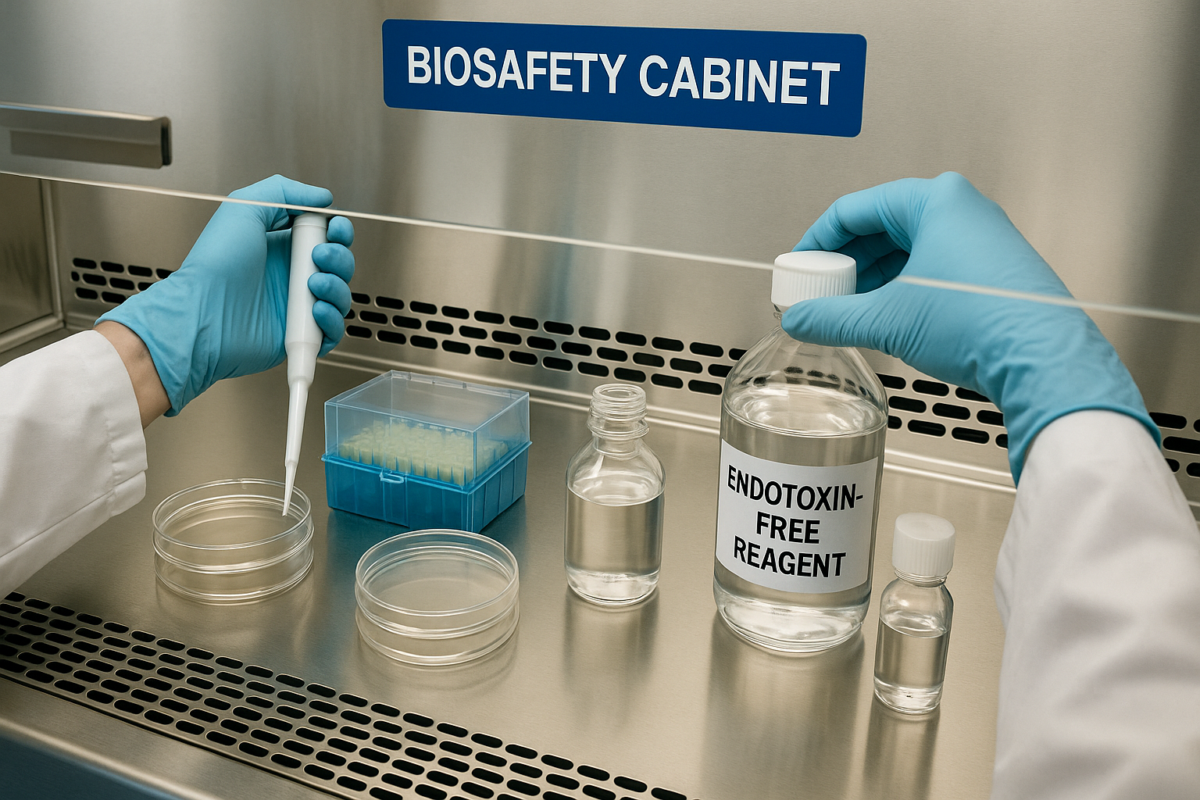
Figure 2: Good aseptic technique and pyrogen-free supplies are critical to reducing LPS risk during peptide handling.
Reusable glassware and bottles can be problematic if not depyrogenated after washing – standard autoclaving (121 °C) will sterilize bacteria but does not destroy endotoxins[7]. Plastic tubes and pipette tips, if not guaranteed pyrogen-free, might contribute low levels of LPS as well. Additionally, poor aseptic technique during peptide handling can allow skin or airborne bacteria (and their endotoxins) to contaminate samples. In sum, any contact between the peptide and non-endotoxin-controlled lab materials or environments can raise the LPS risk again, undoing upstream precautions.
Best Practices to Reduce LPS Risk from Production to the Bench
Protecting peptides from endotoxin requires an end-to-end strategy. Manufacturers implement rigorous contamination prevention steps at each stage, and researchers must continue those precautions during experimental use. Key best practices include:
Manufacturing Controls to Minimize Endotoxins: Peptide production facilities should follow cGMP guidelines that emphasize environmental and process controls. Cleanroom environments are critical: purification and drying of peptides are often done in ISO Class 8 (Class 100,000) or better cleanrooms to keep bacterial and endotoxin burden low. Water used in synthesis and purification must be ultrapurified and tested – pharmaceutical-grade water (e.g. endotoxin-tested WFI) should be used to prepare buffers. Validated water systems with ultrafiltration and routine monitoring (for bioburden and endotoxin) ensure that water input carries negligible LPS. Equipment that contacts product is depyrogenated and sanitized thoroughly. For example, HPLC columns are washed with NaOH or acid/alcohol solutions to strip any endotoxin between runs. All glassware is dry-heat baked or otherwise treated to destroy endotoxins before use. Workers wear protective clothing (caps, masks, gloves) to avoid shedding particles. By the time the peptide is sealed in its vial, these measures have typically reduced endotoxin to far below permissible levels.
Laboratory Techniques for Endotoxin Avoidance: Once peptides arrive in the research lab, handling practices must continue to guard against endotoxin. Always reconstitute or dilute peptides with endotoxin-free water or buffers. Many labs use certified endotoxin-free (pyrogen-free) plasticware and vials to ensure storage doesn’t introduce LPS. Glassware should be heated to 180–250 °C for sufficient time to destroy endotoxins (e.g. 250 °C for ≥30 minutes) after washing[7]. Whenever possible, single-use depyrogenated lab supplies are preferred. All reagents (like cell culture media, adjuvants, or excipients combined with the peptide) should be verified low in endotoxin – many suppliers provide an endotoxin testing certificate for critical reagents[7]. Good aseptic technique is essential: perform peptide dilutions or cell culture work in a laminar flow hood if available, and wear gloves and masks to minimize contamination from skin flora. Regularly disinfect benchtops and equipment with agents effective against endotoxin (e.g. 0.1 N NaOH or specialized endotoxin-neutralizing solutions) for an extra layer of protection. By integrating these practices, labs create a continuum of care that preserves the peptide’s low endotoxin status through to the final experiment.
Testing Methods for Detecting LPS
Even with preventive measures, verifying that peptides and solutions are endotoxin-free is vital. Endotoxin testing is commonly performed with the Limulus Amebocyte Lysate (LAL) assay, a sensitive method derived from horseshoe crab blood.
Limulus Amebocyte Lysate (LAL) Assay: In the LAL assay, aqueous samples are mixed with lysate from horseshoe crab amebocytes; if LPS is present, it triggers a cascade leading to gel clot formation (in the gel-clot format) or a colorimetric/turbidimetric change in more quantitative formats. The LAL test can detect extremely low endotoxin levels – as low as 0.01 endotoxin units per milliliter in chromogenic assays. Many peptide suppliers use LAL assays on final products, and researchers can use LAL test kits on peptide solutions or buffers to ensure they are under acceptable LPS limits. For example, a researcher might perform an LAL gel-clot test on a reconstituted peptide before an in vivo study to confirm it meets the endotoxin specification (often <0.1 EU/mL for in vitro work or as per application needs). The LAL assay’s reliability has made it the industry standard for decades. However, users must be cautious about test inhibitors or enhancers; certain buffers or high peptide concentrations can interfere, so sample preparation and possible dilutions are important for valid results.
Alternative Endotoxin Detection Methods: In addition to LAL, newer endotoxin tests are available and gaining traction. One such method is the Recombinant Factor C (rFC) assay, which employs a synthetic version of the horseshoe crab Factor C protein that activates in the presence of LPS. The rFC assay avoids use of animal lysate and has comparable sensitivity to LAL in detecting endotoxins. Another approach is the Monocyte Activation Test (MAT), which measures pyrogenic activation of human blood cells and can detect a broader range of pyrogens (including LPS). While MAT is more complex and used mainly in pharmaceutical settings for pyrogen testing, it can complement LAL by confirming that a peptide preparation is free from pyrogenic activity. Regardless of the method, routine endotoxin testing provides an assurance of peptide purity in terms of pyrogen levels. Labs handling critical experiments (e.g. injecting peptides into animals or sensitive cell cultures) often establish a schedule for endotoxin testing – either on each new peptide lot or on prepared solutions – as part of their standard protocols[7].
How to Choose a Peptide Supplier with Low LPS Risk
Not all peptide suppliers are equal in guarding against endotoxins. When selecting a source for research peptides, prioritize companies that explicitly offer low-endotoxin peptides and have robust quality certifications. Listed below are some considerations:
GMP Compliance and Hygiene: Suppliers who follow Good Manufacturing Practices (GMP) will have cleaner processes by design. Look for indications that the manufacturer uses cleanroom facilities and validated cleaning procedures for equipment. Many reputable suppliers will mention endotoxin control in their process descriptions, since poor cGMP controls can lead to endotoxin contamination of peptides. A GMP-certified peptide is more likely to have minimal LPS.
Quality Control Testing: A trustworthy supplier should perform endotoxin testing on peptide batches, especially if the peptides are intended for cell-based or in vivo work. Check if the vendor provides an endotoxin level in the Certificate of Analysis (CoA). Quality control documentation should show the peptide lot was tested and found below a certain endotoxin threshold (e.g. <0.1 EU/mg peptide, or similar standard). Suppliers that regularly serve pharmaceutical or immunology researchers often highlight endotoxin specifications.
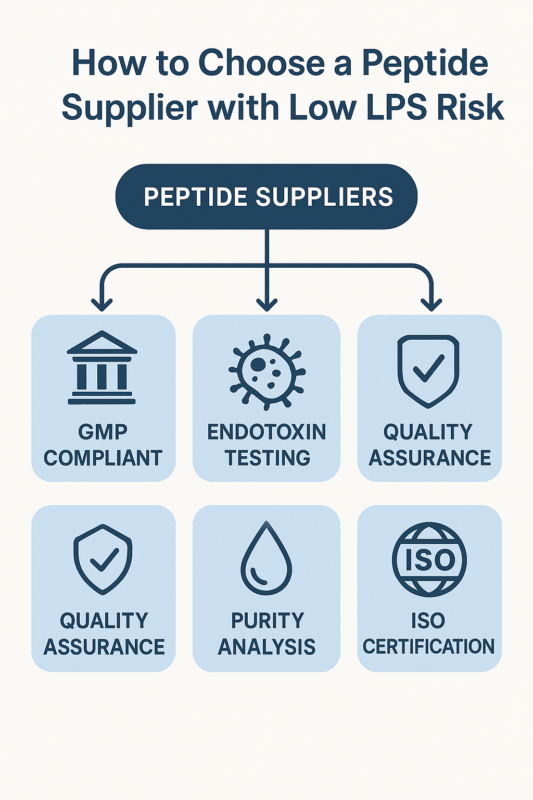
Figure 3. Peptide suppliers who prioritize GMP processes, low-endotoxin peptides, and quality control documentation reduce LPS risk for researchers
Supplier Reputation and Transparency: Suppliers willing to guarantee peptide purity and safety parameters (purity, identity, endotoxin, etc.) are preferable. It’s wise to inquire or look for reviews—has the supplier been used in published studies without issues of immunogenic artifacts? Choose vendors that provide detailed CoAs listing analytical data and confirm peptide purity along with endotoxin levels. High-purity peptides that are also endotoxin-free protect your experiments from both chemical and biological noise. In contrast, bargain peptide sources with unknown handling standards might save cost but introduce high LPS risk, leading to “dirty” data and wasted efforts.
Documentation of Endotoxin Control: A supplier committed to low endotoxin will often have documentation such as an endotoxin control SOP or depyrogenation certificates. Don’t hesitate to ask suppliers about their endotoxin removal steps (filtration, ultrapurification, etc.) and testing frequency. Those that invest in endotoxin control will readily share their contamination-prevention strategies as a selling point.
Frequently asked questions (FAQs) about Best Practices in Peptide Production
Why is LPS risk a major concern in peptide research?
- Lipopolysaccharide (LPS), also known as endotoxin, is a structural component of the outer membrane of Gram-negative bacteria. Even trace amounts of LPS can trigger strong inflammatory and immune responses in experimental systems, particularly in cell culture and animal models. In peptide research, unintended LPS contamination can confound results by activating toll-like receptor 4 (TLR4) signaling, inducing cytokine release, and masking or mimicking the biological effects of the peptide under investigation. As a result, controlling LPS risk is essential for data reliability, reproducibility, and accurate interpretation of experimental outcomes.
Where does LPS contamination originate?
- LPS contamination most commonly originates from bacterial exposure during raw material handling, synthesis, purification, or downstream processing. Water is a frequent source, as endotoxins are heat-stable and can persist in inadequately purified water systems. Additional sources include contaminated reagents, filtration membranes, glassware, tubing, and improper handling in non-sterile environments. Because LPS can strongly adhere to surfaces and survive standard sterilization methods, even well-controlled processes require targeted endotoxin control strategies.
What processes reduce LPS risk during manufacturing?
- Manufacturing practices that reduce LPS risk include the use of high-purity, endotoxin-controlled raw materials and water-for-injection (WFI)–grade water systems. Solid-phase peptide synthesis performed in controlled environments, followed by rigorous purification steps such as reverse-phase high-performance liquid chromatography (RP-HPLC), helps remove endotoxin-associated impurities. Additional controls include validated cleaning procedures, dedicated equipment, endotoxin-aware filtration steps, and lyophilization under controlled conditions to prevent post-purification contamination.
Which testing methods ensure low endotoxin levels?
- The most widely used methods for detecting endotoxin are Limulus Amebocyte Lysate (LAL)–based assays, including gel clot, chromogenic, and turbidimetric formats. Recombinant Factor C (rFC) assays are increasingly adopted as an animal-free alternative with high specificity for endotoxin. These tests quantify endotoxin levels in endotoxin units (EU) and provide critical verification that peptides meet low-endotoxin or endotoxin-controlled specifications before release for research use.
How can labs minimize LPS exposure at the bench level?
- At the laboratory level, minimizing LPS exposure requires consistent use of endotoxin-free consumables, certified low-endotoxin reagents, and ultrapure water. Working within biosafety cabinets, wearing gloves, and avoiding contact between sterile materials and non-sterile surfaces further reduce contamination risk. Regular cleaning of workspaces with endotoxin-effective agents and careful handling during peptide reconstitution, dilution, and storage are essential practices to prevent reintroduction of LPS during experimental workflows.
References
- Chen T. The Silent Saboteur: Endotoxin Contamination and Its Impact on Your Research Data. Kactus Bio Blog. September 10, 2025. Available from: https://www.kactusbio.com/blog/the-silent-saboteur-endotoxin-contamination
- PeptideSCI. Ensuring High-Quality Product – Peptide Purity, Certificates and Supplier Standards. PeptideSCI. 2023.
- Thundimadathil J. Controlling Endotoxin Contamination During Peptide Manufacturing. R&D World Magazine. 2012.
- Sigma-Aldrich (Merck). Cell Culture FAQs: Bacterial Endotoxin Contamination – What Are Common Sources of Endotoxin in the Lab? Merck Life Science.
- FUJIFILM Wako. Common Lab Sources of Endotoxin and Strategies for Its Detection and Removal. FUJIFILM Wako Chemicals Blog. 2022. Available from: https://www.wakopyrostar.com/blog/common-lab-sources-of-endotoxin.html