
The Role of HPLC Analysis in Peptide Characterization
Author: Dr. Numan S. Date: November 20, 2025
What Is HPLC Analysis?
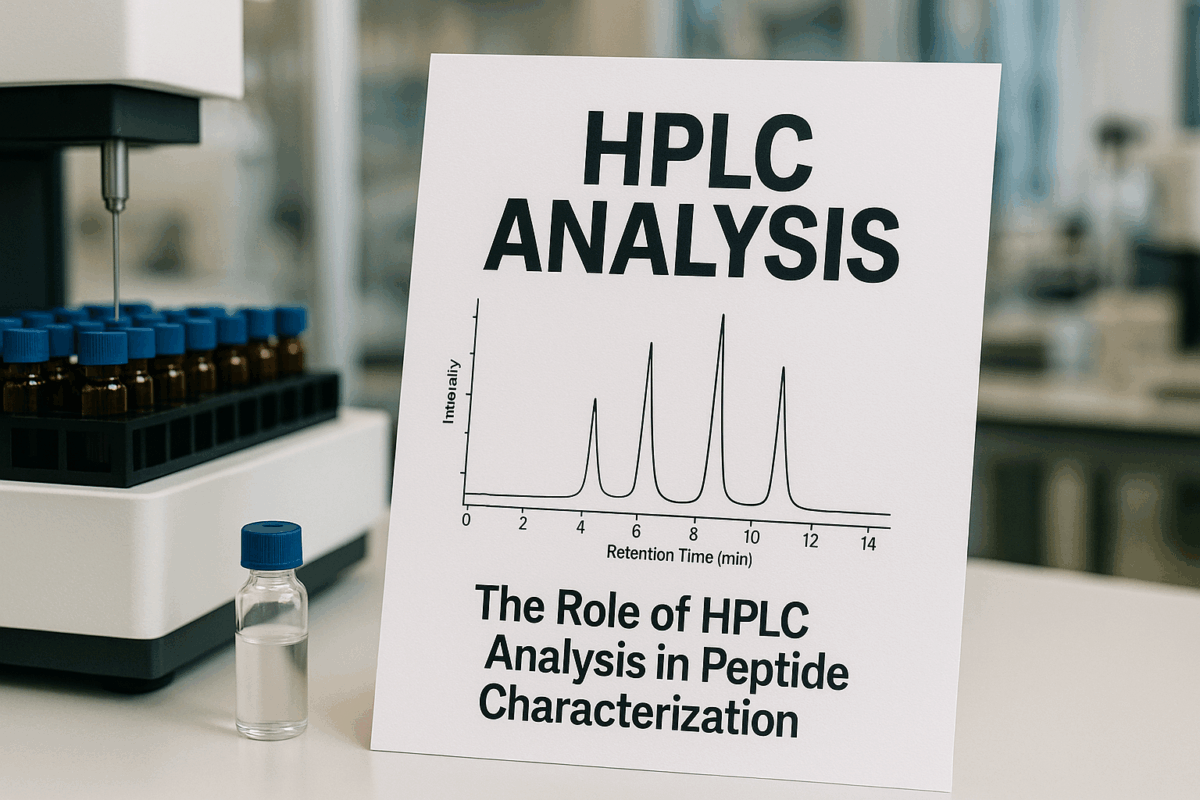
High-performance liquid chromatography (HPLC) analysis is an analytical technique used to separate, identify, and quantify components in a mixture [1]. In HPLC, a liquid sample (e.g. a peptide solution) is injected into a high-pressure flow of solvent through a column. Different compounds elute at different times based on their interactions with the column, and a detector produces a chromatogram (peaks of signal over time) representing each component [1]. HPLC is widely used to verify the purity and composition of peptide samples due to its high resolving power and precision.
Why HPLC Matters for Peptide Characterization
HPLC is critically important for confirming peptide purity and identity. It is considered the gold-standard method for assessing how much of a sample is the desired peptide versus impurities [2]. Even trace-level impurities can alter a peptide’s biological effects. For instance, a peptide at 95% purity still contains ~5% by-products that could disrupt sensitive experiments if undetected [2]. By using HPLC to ensure a peptide is, say, 98–99% pure, researchers greatly reduce the risk of such confounding variables. HPLC validation of purity is vital for peptide validation and reliable experimental outcomes.
How HPLC Analysis Works in Peptide Testing
When analyzing a synthetic peptide, labs typically employ reversed-phase HPLC analysis with UV detection. The sample is injected into the system; as it travels through the column, different components elute at different times and appear as distinct peaks on the chromatogram. A peptide’s HPLC analysis usually yields a chromatogram showing one dominant peak (the target peptide) and possibly smaller peaks for impurities [3]. Reading an HPLC chromatogram involves noting each peak’s retention time and area. The retention time of the main peak indicates when the peptide eluted; if it matches the expected value for that peptide (under the given conditions), it supports the peptide’s identity [6].The presence of additional peaks at other times reveals impurities. The area of the main peak relative to the total area reflects the peptide’s purity (e.g. a main peak that is 98% of the total area means the sample is 98% pure) [5].
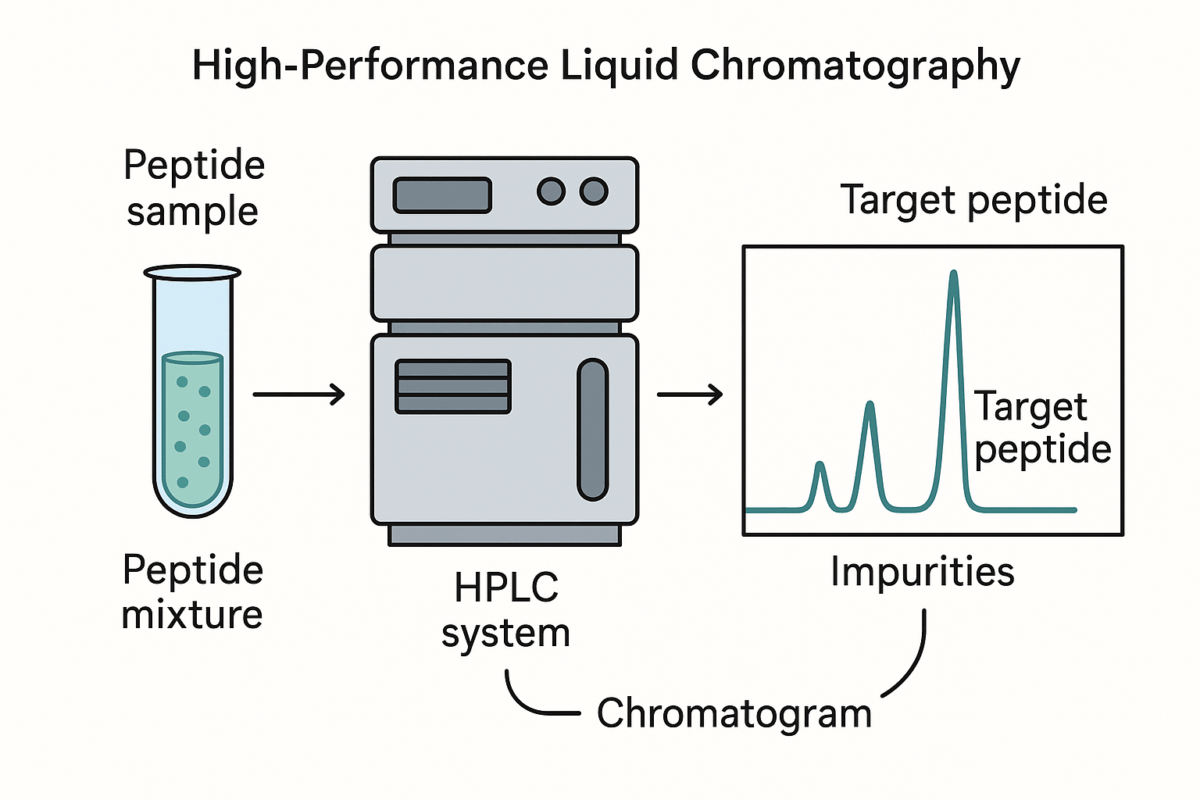
Figure 1: High-performance liquid chromatography (HPLC) separates peptide mixtures.
Key Metrics in HPLC Peptide Analysis
- Peptide Purity (% Area): The percentage of the chromatogram’s total peak area attributable to the main peptide peak. A high-purity peptide will have one dominant peak >95% area; indeed, most research peptides are purified to at least ~95%, and many reach 98–99% [4] [5]. If significant secondary peaks are present (lower purity), the sample may require further purification before use [4].
- Retention Time: The time at which the peptide’s peak elutes. Matching the expected retention time (based on a reference run or standard conditions) is a clue that the correct peptide is present [5]. Consistent retention times across batches also demonstrate batch-to-batch consistency. (For absolute confirmation of identity, complementary methods like mass spectrometry are used, since retention time alone is not conclusive.)
- Impurities: Any extra peaks in the chromatogram represent impurities. Ideally these minor peaks each constitute only a very small percentage of the area. A clean chromatogram with a single major peak indicates impurities are negligible [3].
HPLC vs Other Peptide Characterization Methods
While HPLC excels at separating components and quantifying purity, it does not by itself confirm the molecular identity of the peptide. This is where mass spectrometry (MS) is essential. HPLC and MS are complementary techniques often used together [4]. HPLC can show that a peptide is, for example, 99% pure, but MS is needed to verify that the main peak is indeed the intended peptide (by confirming its molecular weight) [3]. Conversely, MS alone would detect the peptide’s mass but not quantify how many impurities are present without a separation step. Therefore, combining HPLC with MS (often via LC–MS) provides a complete picture: HPLC verifies that the sample is mostly one component, and MS confirms that this component has the correct identity [3].
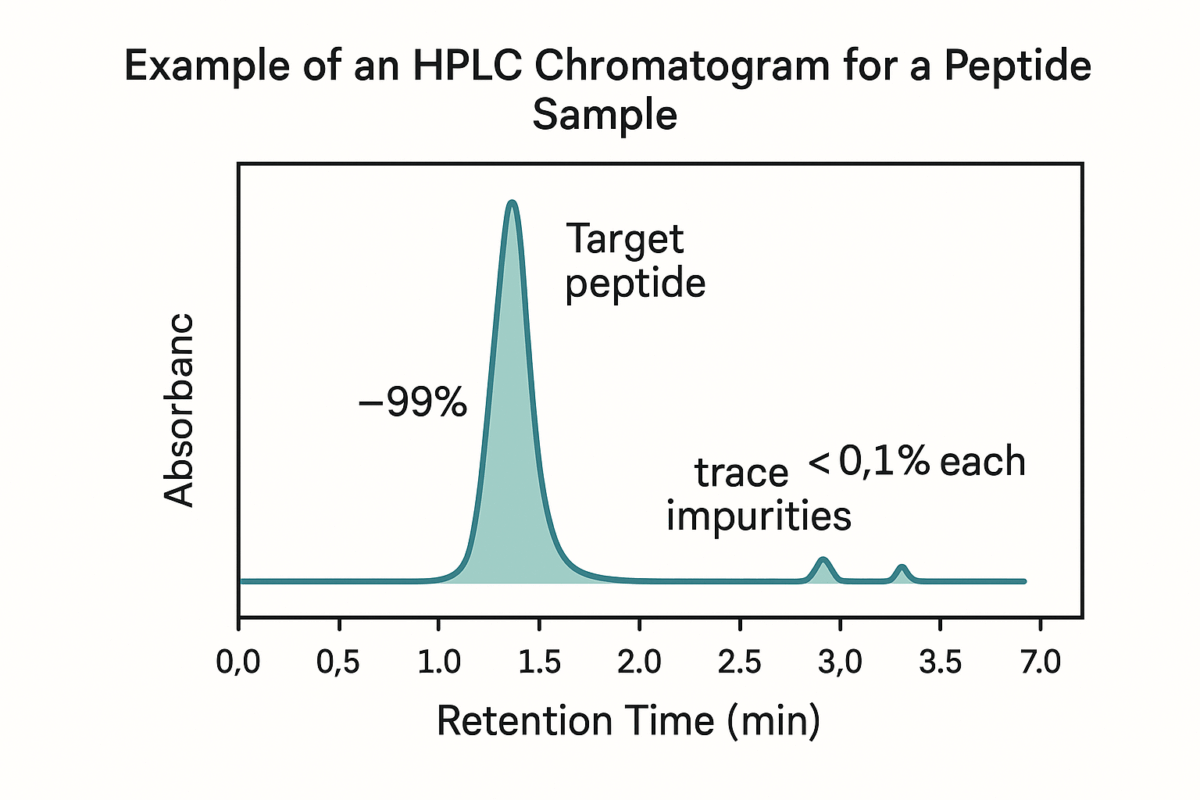
Figure 2: Example of an HPLC chromatogram for a peptide sample.
How Researchers Use HPLC Results
Researchers closely examine HPLC results to decide if a peptide is suitable for use. When a new peptide batch comes with a Certificate of Analysis, scientists ensure there is a single predominant peak in the HPLC output and a high purity percentage. If the peptide is, say, 98% pure by HPLC, they proceed with confidence; if the HPLC shows multiple sizeable impurity peaks or purity below ~90–95%, they may reject or further purify that batch. The retention time of the main peak is also compared to expectations or previous batches as an additional identity check. By using only HPLC-verified peptides, researchers minimize the risk of confounding variables in their assays. For example, a peptide at 90% purity versus one at 99% purity can produce divergent biological results. Incorporating HPLC analysis into peptide validation thus supports reproducible and credible research.
HPLC at Verified Peptides: Our Testing Process
At Verified Peptides, every peptide batch undergoes rigorous HPLC analysis as part of our quality control. We utilize independent third-party laboratories for analytical testing of each batch to obtain unbiased HPLC and MS data confirming the peptide’s identity, purity, and composition [3]. The HPLC chromatogram must show a clean profile meeting our strict purity criteria (≥95% purity, with most batches actually exceeding 98%) [4]. Any batch that falls below our purity standards or displays unexpected impurity peaks is re-purified or discarded. We also pair the HPLC results with mass spectrometry confirmation of the peptide’s molecular weight to fully validate that the sequence is correct [4]. Each product’s Certificate of Analysis provides the HPLC purity result and the MS data, giving full transparency. This approach ensures that researchers can have complete confidence in the purity and identity of the peptides they receive [4].
Conclusion: Reliable Research Starts with Verified Analytical Data
HPLC analysis is indispensable for peptide research because it verifies peptide purity and confirms that a peptide sample is correctly identified before experimentation. This validation step – backed by analytical data – gives researchers confidence that their reagents will not introduce confounding variables, thereby enhancing the reproducibility of results [3]. Indeed, reliable research starts with confirmed peptide quality: HPLC confirmation of purity (coupled with MS confirmation of identity) ensures scientific findings rest on a solid foundation rather than being undermined by hidden impurities [4].
Frequently asked questions (FAQs) about HPLC in Peptide Validation
What role does HPLC play in validating peptide purity?
- HPLC is one of the primary analytical tools used to confirm peptide purity by separating all molecular species in a sample based on their chemical properties. It allows researchers to quantify the percentage of the target peptide relative to any impurities, degradation products, or side-chain variants. The resulting chromatogram provides a precise purity profile that supports quality control, batch verification, and reproducibility in research settings.
How do researchers interpret HPLC results?
- Researchers evaluate chromatograms by examining retention times, peak shapes, and relative peak areas. The main peak typically represents the desired peptide, while smaller peaks indicate impurities or structural variants. Calculating the area under the main peak compared with the total area gives the peptide’s purity percentage. Consistent retention times and high single-peak dominance indicate a well-synthesized and stable peptide batch.
What alternative characterization methods complement HPLC?
- HPLC is often combined with other analytical platforms to create a comprehensive identity and purity profile. Common complementary methods include mass spectrometry (MS) for molecular weight confirmation, NMR for structural information, UV-Vis spectroscopy for concentration assessments, and capillary electrophoresis (CE) for charge-based separation. Using multiple orthogonal methods ensures higher confidence in peptide identity and quality.
What makes HPLC a gold standard for peptide testing?
- HPLC is considered the gold standard because of its high resolution, quantitative accuracy, and ability to detect even low-abundance impurities. It is validated across pharmaceutical, biochemical, and academic laboratories for peptide characterization. The method’s reproducibility, versatility across peptide classes, and regulatory acceptance (FDA, ICH) make it indispensable for research-grade and GMP-level peptide testing.
How does Verified Peptides ensure high-quality analytical results?
- Verified Peptides relies on independent third-party laboratories that use validated HPLC methods, calibrated instrumentation, and standardized operating procedures. Each batch undergoes purity verification through HPLC, followed by complementary analyses such as MS. Certificates of Analysis (COAs) document chromatograms, purity percentages, retention times, and testing conditions—providing full transparency and confidence for researchers using their peptides.
References
- Thermo Fisher Scientific. HPLC Basics: What You Should Know 2023thermofisher.com
- Verified Peptides – Numan S. Decoding Lab Reports: Peptide Verification Report Metrics. 2025verifiedpeptides.com
- Verified Peptides – Numan S. Why Independent Peptide Batch Testing Ensures Quality. 2025verifiedpeptides.com
- Verified Peptides – Numan S. Why Laboratory Validation Matters in Peptide Quality. 2025verifiedpeptides.com
- Bachem. Care and Handling of Peptides – Technical Note. 2021bachem.com
- Pacific BioLabs. Identity and Purity – Small Molecules. Accessed 2025pacificbiolabs.com