
Tesofensine (400 mcg, 60 units)




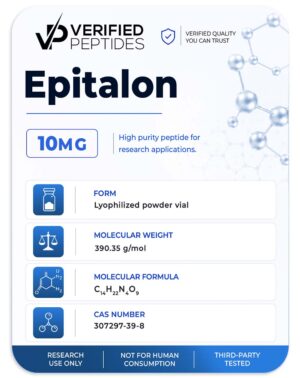



Epitalon Peptide (10MG)
This batch of Epitalon has been third party lab tested and verified for quality.

TESTED FOR:

purity
weight
TFA FREE
sterility
endotoxins(lps)
$33.00
| Quantity | Price | |
|---|---|---|
| 0% | 1 - 4 | $33.00 |
| 10% | 5 - 9 | $29.70 |
| 20% | 10 - 19 | $26.40 |
| 30% | 20 + | $23.10 |
This product comes as lyophilized powder and is not reconstituted. All products and materials sold on this site are for Research Use Only and not for human use; subject to our Terms and Conditions.

2-Day Shipping
Order by 1:00 PM EST

INSULATED SHIPPING
Styrofoam box shipping available
| Peptide vial specifications | Results | |
|---|---|---|
Not reconstituted | ||
Bottle type: | Vial - sealed - flip top | |
Form: | Powder (lyophilized) | |
Vial size: | 3ML | |
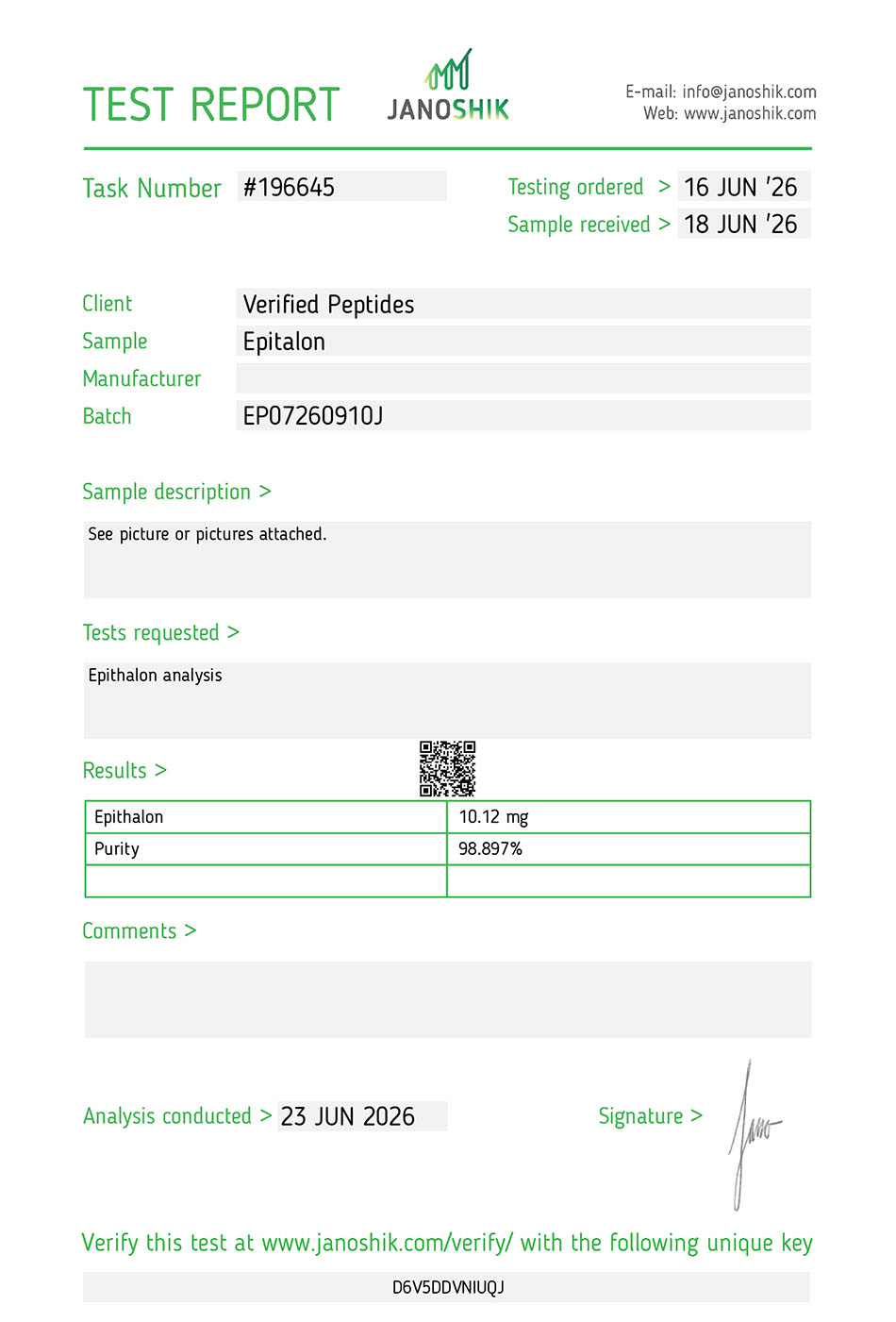
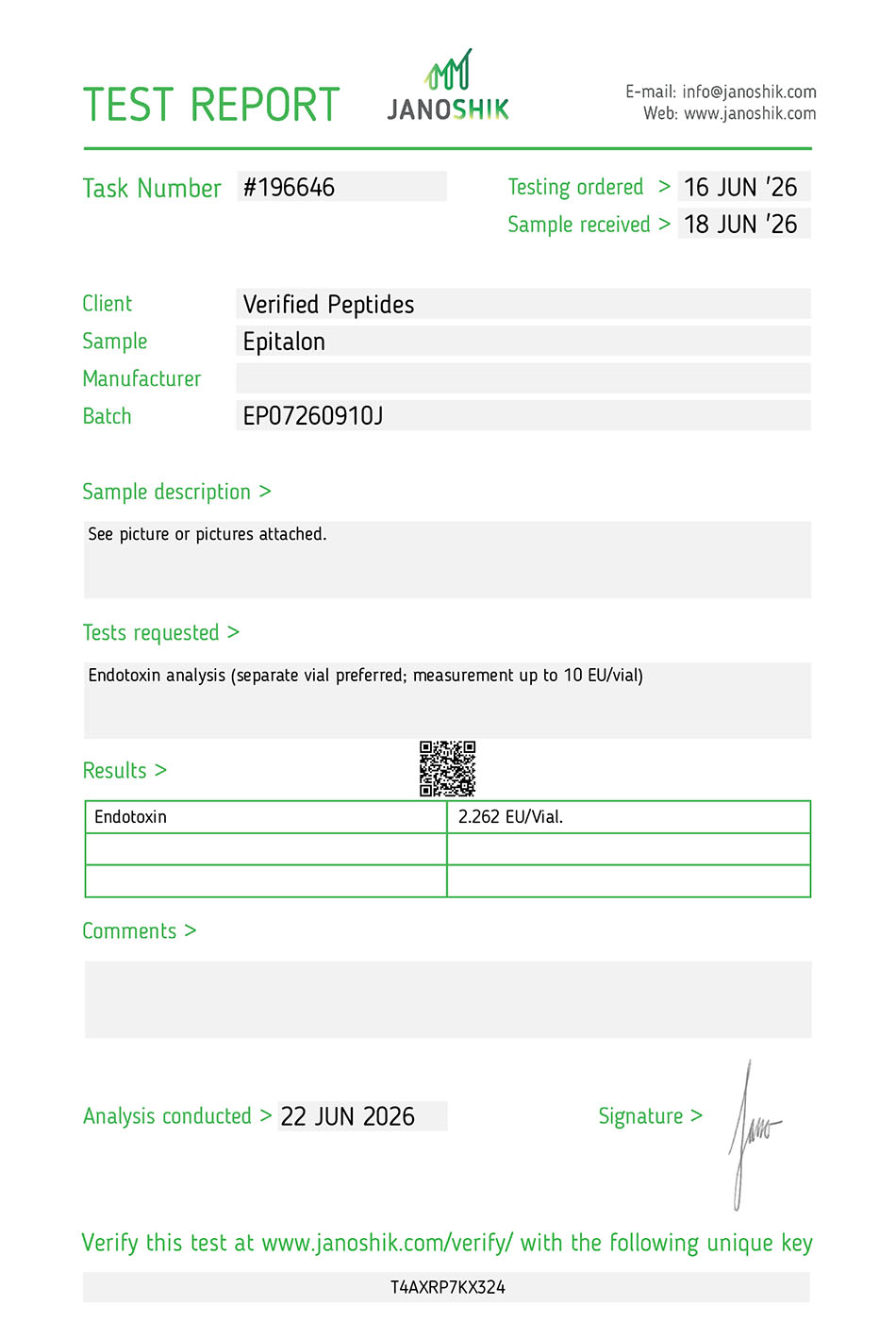
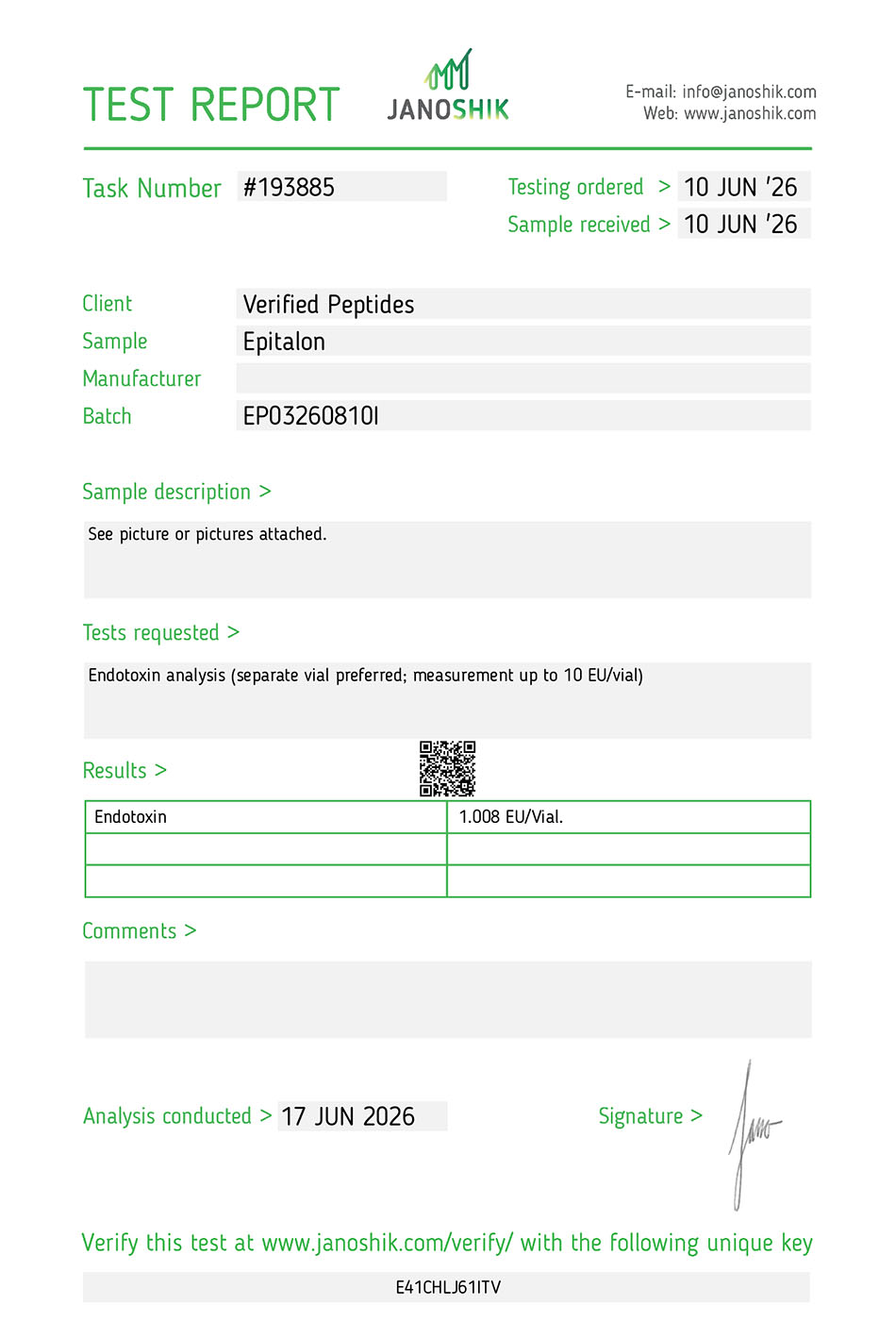
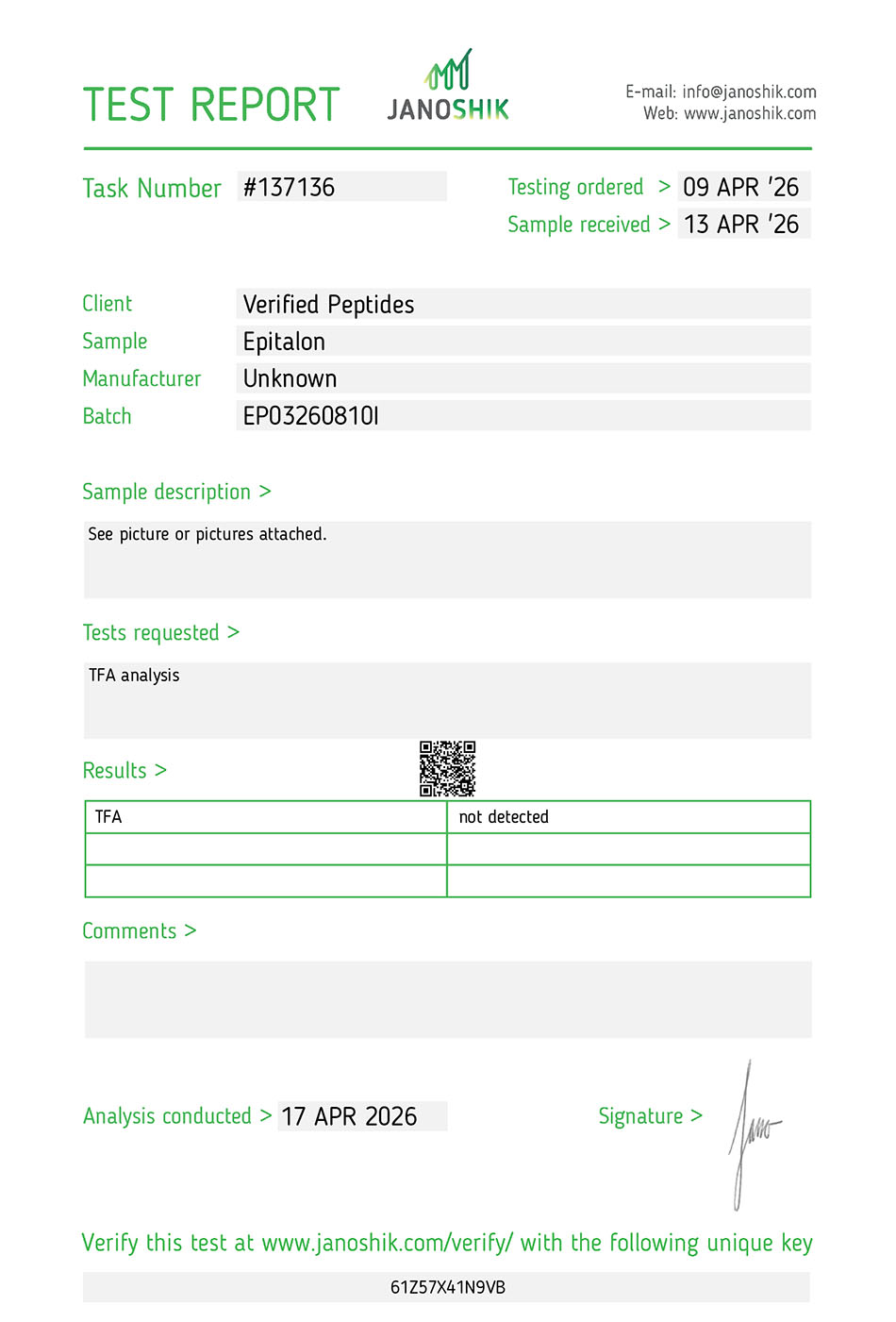
Epitalon Certificate of Analysis (COA) Test Result
| Date Tested: | |
|---|---|
| Purity: | 98.897% |
| Weight: | 10.12mg |
| Endotoxins (LPS): | Pass |
| TFA: | Not detected |
| Batch #: | EP07260910J |
| Testing Lab: | Janoshik |
| Testing Methods: | HPLC, LAL, TAMC/YAMC USP <71> |

Epitalon (epithalon) Specifications: Molecular Weight, CAS Number & Sequence
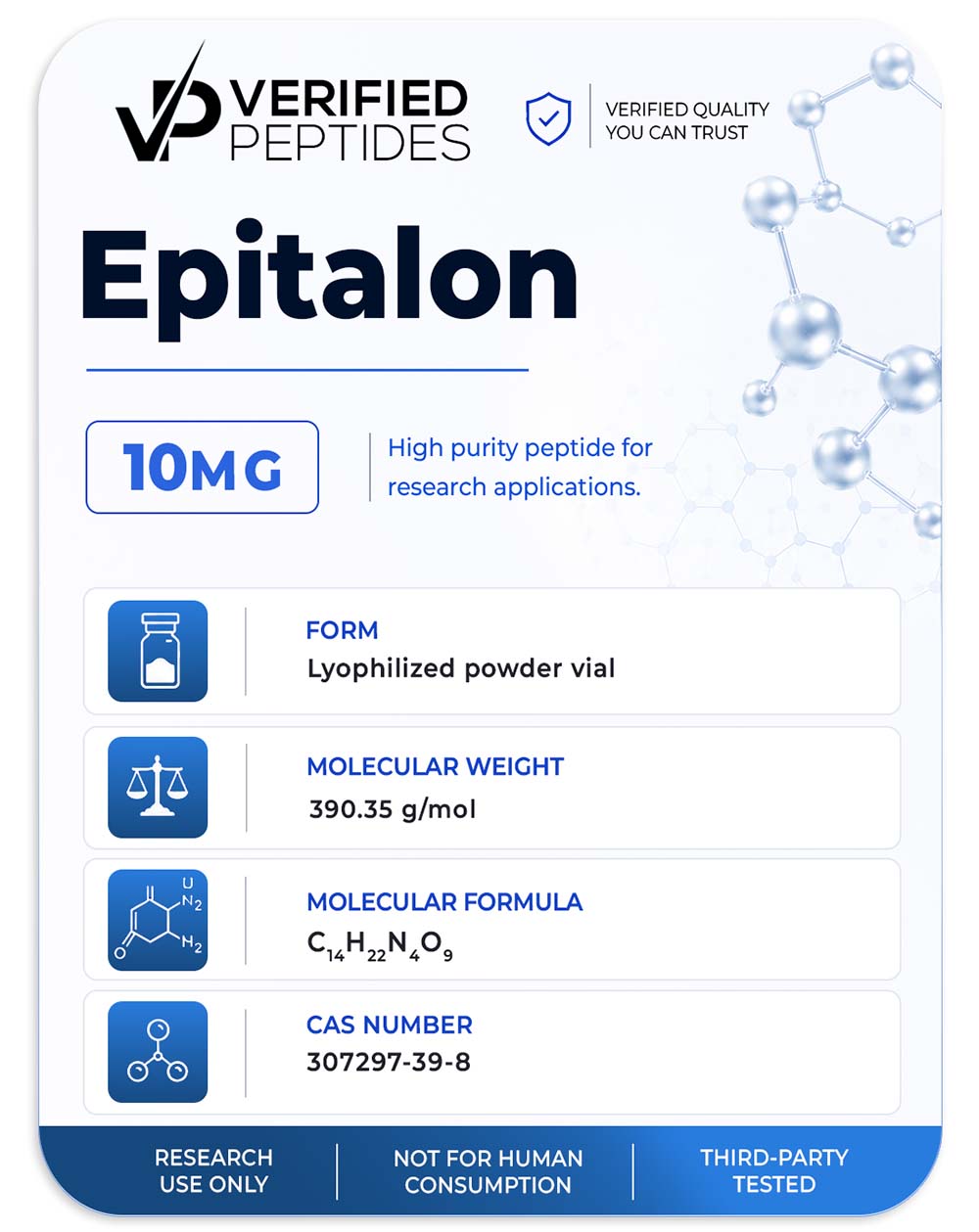
Epitalon (CAS 307297-39-8) is a synthetic tetrapeptide with the molecular formula C14H22N4O9 and a molecular weight of 390.35 g/mol.
| Form: | Powder (lyophilized) |
|---|---|
| Weight: | 10mg |
| Appearance: | White lyophilized powder |
| CAS Number: | 307297-39-8 |
| Molecular Formula: | C14H22N4O9 |
| Molecular Weight: | 390.35 g/mol |
| PubChem CID: | 219042 |
| Sequence: | Ala-Glu-Asp-Gly |
| Other Names: | Epithalon, BDM-E |
| Terms: | Subject to our Terms and Conditions. This material is sold for laboratory research use only. Not for human consumption, animal, or medical use. |

The industry's most trusted source for research peptides
The Leader In Peptide Testing
500+ Certificates of Analysis
You can be sure we don't cut corners on testing every single batch.
Visit our Lab Reports page.
An Established, Trusted Company
6+ Years of Peptides
We pioneered third party lab testing and have stood the test of time. Our first lab report dates back to 2019 proving our track record.
Fair market pricing
Competitively priced cost per milligram for verified quality.
Peptides Tested For More Than Just Purity
We conduct an array of analytical testing for our peptides:
purity, weight, endotoxins(LPS), sterility (bacteria & mold/yeast), and TFA content.
Transparent. Consistent. Reliable.
- Batch number on every vial
- Published Certificates of Analysis
- Expert customer service
- Satisfaction and quality guarantee
- Cold pack styrofoam shipping
Explore Other High-Purity Peptides
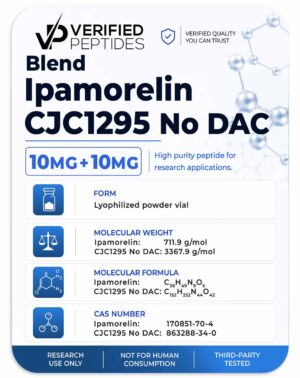
Peptide Blends
Price range: $65.00 through $107.00
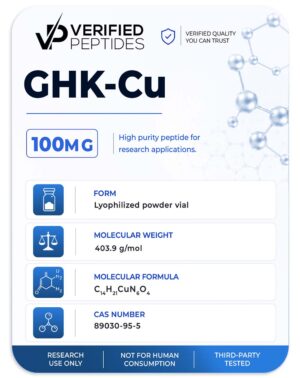
Peptides
$49.99
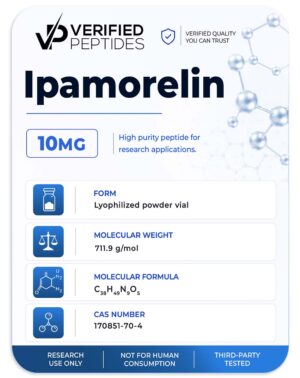
Peptides
$44.99
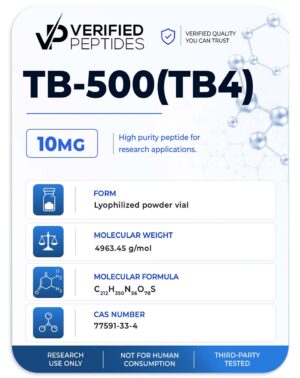
Peptides
$62.00
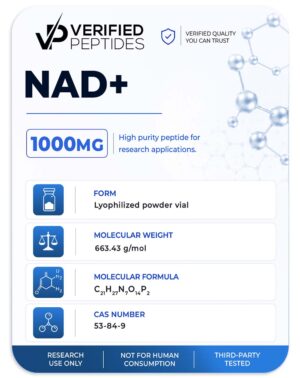
Peptides
$119.00
Peptides
Price range: $43.00 through $77.00
Peptides
$34.99
What is Epitalon (AEDG)?
Epitalon (AEDG) is a synthetic tetrapeptide composed of alanine, glutamic acid, aspartic acid, and glycine. It was developed through fractionation and characterization of the pineal extract Epithalamin and has been investigated across in vitro, in vivo, and in silico experimental systems. Within epitalon peptide research, AEDG is positioned as a highly bioactive regulatory peptide with effects spanning neuroendocrine, immune, and aging-related processes. Preclinical research has reported geroprotective, antioxidant, neuro-endocrine, and antimutagenic activities in multiple animal and cellular models, with proposed mechanisms including modulation of telomerase activity, preservation of telomere length, and possible epigenetic interactions with DNA and chromatin-associated proteins.
Epitalon Peptide Research Studies
Peer reviewed research studies
📚 Peer reviewed study
From Immunity to Eyes: Epitalon Findings in Animal Research
Overview of the Research
The primary objective of this comprehensive research summary was to consolidate animal and ex vivo evidence describing how Epitalon influences multiple physiological systems. These include immune signaling, particularly IL-2-related pathways, lymphoid organ function, retinal integrity and visual electrophysiology, oxidative stress defenses, and aging-associated genomic stability.
Within the broader epitalon research landscape, these findings represent foundational preclinical evidence supporting the concept that epitalon function is not confined to a single tissue or pathway. Instead, Epitalon appears to act as a systemic regulatory peptide, linking pineal activity with immune, neural, and metabolic endpoints across aging models. All findings discussed here derive strictly from controlled animal and cellular research models.
Why Epitalon Is Being Studied
Epitalon represents a unique class of pineal-derived regulatory peptides that may coordinate multiple aging-related processes through a single molecular signal. Unlike conventional antioxidants or metabolic regulators, Epitalon's proposed mechanisms span telomerase activation, immune modulation, neuroendocrine signaling, and direct cellular protection.
The peptide's origins in pineal extract research, combined with observations of multi-system effects across diverse experimental models, have positioned Epitalon as a subject of growing scientific interest in experimental aging biology. Researchers seek to understand how a single tetrapeptide could influence such disparate endpoints as immune cell populations, retinal electrophysiology, oxidative damage markers, and genomic stability indices.
Experimental Design and Methodology
The summarized epitalon peptide research employed multiple rodent models, including several mouse and rat strains, as well as select non-mammalian systems for comparative aging analysis. Administration routes varied widely and included subcutaneous, intraperitoneal, intranasal, parabulbar, and limited oral exposure.
Study designs ranged from single-dose interventions to repeated or long-term dosing paradigms. Comprehensive assessment parameters included immune markers such as IL-2 expression and thymic indices, retinal morphology and electroretinography, oxidative damage markers including lipid peroxidation, telomerase activity and telomere length measurements, behavioral and lifespan metrics, and tumor incidence in carcinogenesis models. These parameters describe animal-model dosing only in controlled laboratory settings and cannot be converted to human usage or extrapolated outside of research contexts.
Immune Signals and Lymphoid Organs
IL-2 and Immune Modulation: Across several rodent studies, Epitalon influenced interleukin-2 (IL-2) signaling in a route- and region-specific manner. Changes in IL-2 mRNA expression and IL-2-positive cells were observed in hypothalamic and pineal regions, as well as in peripheral immune tissues. Intramuscular and intranasal administration produced distinct immune readouts, particularly under stress-modulated experimental conditions.
Investigations of thymus and spleen tissue reported alterations in lymphocyte populations and modulation of thymic serum factor activity. In thymocyte cultures, Epitalon displayed context-dependent comitogenic effects, suggesting regulatory rather than purely stimulatory immune actions.
Aging-Linked Immune Indices: Epitalon research also documented reduced chromosomal aberrations in bone marrow cells across multiple mouse strains. Antimutagenic effects were detected using micronucleus assays and sperm-head abnormality tests, with nuanced differences depending on strain, coat color, and genetic background. These findings link epitalon function to immune-genomic stability during aging.
Vision and Retina: From Structure to Function
In Campbell rat models of retinal degeneration, Epitalon preserved the structural integrity of retinal layers and prolonged functional activity as measured by electroretinography (ERG). Protective effects were most pronounced when exposure occurred during prenatal or perinatal windows, though adult administration also demonstrated benefits.
Follow-up studies using lower Epitalon doses continued to report improvements in retinal morphology and ERG parameters, reinforcing the reproducibility of retinal findings within epitalon peptide research. These data position the retina as a sensitive target tissue for Epitalon's regulatory activity, suggesting potential relevance to age-related visual decline in experimental models.
Oxidative Stress, Antioxidant Enzymes, and Energy Tissues
In vivo rodent studies consistently showed reduced lipid peroxidation in brain tissue and serum following Epitalon administration. Complementary cellular and organotypic models demonstrated upregulation of antioxidant enzymes, including superoxide dismutase (SOD), catalase, and NQO1.
Additional work highlighted mitochondria-protective signals in neural cells and oocyte systems, linking epitalon function to cellular energy homeostasis. Although not mammalian, Drosophila melanogaster models cited in the Epitalon literature further supported antioxidant effects and lifespan-associated signals, often referenced for mechanistic context.
These findings collectively suggest that Epitalon may activate endogenous antioxidant defense pathways, potentially through Keap1/Nrf2-linked mechanisms, contributing to cellular protection against oxidative damage across multiple tissue types.
Aging Biology: Telomerase, Telomeres, and Longevity Signals
A central theme in epitalon research is its association with telomerase activation and telomere maintenance. Cellular studies demonstrated increased telomerase activity and stabilization of telomere length following Epitalon exposure. In select rodent cohorts, these molecular changes corresponded with shifts in survival curves and maximum lifespan, though outcomes varied by strain and experimental context.
Gene-expression analyses in mouse heart and brain tissue revealed alignment with apoptosis regulation, cell-cycle control, and nucleic-acid metabolism, supporting a mechanistic link between Epitalon and aging-related genomic pathways. These telomere-related findings represent one of the most frequently cited aspects of epitalon peptide research, positioning the peptide as a potential modulator of cellular aging processes.
However, it is important to note that telomerase activation and telomere stabilization effects were observed under specific experimental conditions and varied across different model systems, emphasizing the need for continued investigation into the consistency and mechanisms of these effects.
Endocrine & Pineal Axis: Melatonin, Gastric Cells, Hypothalamus
Epitalon's pineal origins are reflected in studies examining melatonin synthesis machinery in cell culture systems, where alterations in enzyme markers were observed. In vivo endocrine investigations reported normalization of gastric endocrine cells following pinealectomy in rodents treated with Epitalon.
Hypothalamic IL-2 signaling changes were also documented after intranasal and intramuscular dosing. Electrophysiological studies further showed transient increases in cortical neuronal activity following central or intranasal administration, highlighting neuroendocrine responsiveness within epitalon peptide research.
These findings suggest that Epitalon may help coordinate pineal-hypothalamic-endocrine signaling networks, potentially contributing to circadian rhythm regulation and broader neuroendocrine homeostasis in experimental models.
Tumor Incidence and Carcinogenesis Models
In selected mouse and rat carcinogenesis models, long-term Epitalon administration correlated with lower tumor incidence, reduced tumor multiplicity, and smaller tumor size in certain genetic backgrounds. These effects were strain-, dose-, and schedule-dependent, emphasizing variability across experimental systems rather than uniform anticancer outcomes.
The mechanisms underlying these observations remain under investigation but may relate to Epitalon's documented effects on genomic stability, immune function, and cellular stress resistance. It is critical to emphasize that these findings represent exploratory preclinical observations in specific animal models and do not establish therapeutic efficacy or safety in any clinical context.
Route, Exposure, and "Epitalon Function" Takeaways
Across the literature, Epitalon has been administered via subcutaneous, intraperitoneal, intranasal, parabulbar, and limited oral routes. Observed effects were highly tissue-specific and context-dependent, influenced by dose window, stress state, age, and genetic strain.
Collectively, epitalon function in animals spans immune regulation, retinal preservation, antioxidant defense, and endocrine signaling. Proposed mechanisms include:
- Telomerase-telomere maintenance pathways supporting genomic stability
- Activation of antioxidant gene programs, including Keap1/Nrf2-linked pathways
- Region-specific hypothalamic-pineal modulation affecting neuroendocrine balance
- IL-2 and immune cell regulation supporting adaptive immunity
- Retinal structure and function preservation in degenerative models
Discussion and Scientific Implications
The compiled epitalon research findings demonstrate coordinated biological activity across multiple organ systems and physiological processes. This multi-system responsiveness is unusual for a tetrapeptide and suggests that Epitalon may function as a master regulatory signal linking pineal activity to peripheral metabolic, immune, and aging-related endpoints.
Several questions remain open for continued investigation. First, the relative contribution of different mechanistic pathways—telomerase activation, antioxidant upregulation, immune modulation, and neuroendocrine signaling—to Epitalon's observed effects across different tissues and contexts requires systematic dissection. Second, the strain-dependent and context-dependent variability in outcomes suggests that genetic background and environmental factors significantly influence Epitalon responsiveness.
Third, the optimal dosing routes, timing windows, and treatment durations for different endpoints remain incompletely characterized. The literature shows effects across diverse administration routes and dose ranges, but systematic dose-response and route-comparison studies are limited. Finally, while animal models have provided valuable mechanistic insights, translational relevance to human physiology and aging processes remains entirely unestablished and requires substantial additional investigation.
Compliance Note on Use and Dosing
All findings summarized in this research review derive strictly from animal and in vitro research models. Any dosing regimens described in the underlying studies apply only to controlled experimental conditions in laboratory animals and do not translate to humans.
Epitalon remains a research-use-only peptide. No clinical trials have established safe or effective dosing in humans, and the effects, safety profile, and optimal administration parameters in people are entirely unknown. This summary is provided in a research-use-only context for educational and scientific information purposes only.
Conclusion
Preclinical epitalon research demonstrates multi-system biological activity across animal models, encompassing immune signaling (particularly IL-2 modulation), retinal structure and function preservation, oxidative stress reduction through antioxidant enzyme upregulation, and aging-related molecular markers including telomerase activity and telomere maintenance.
While results vary by model and context, the collective evidence supports continued mechanistic and translational investigation. The tissue-specific and context-dependent nature of Epitalon's effects suggests complex regulatory mechanisms that merit further study. However, all conclusions remain firmly within the preclinical domain, and substantial additional research is required before any therapeutic applications or human use can be considered.
Frequently Asked Questions
What is Epitalon and how is it related to the pineal gland?
Epitalon is a synthetic pineal-derived tetrapeptide developed from Epithalamin research and studied for regulatory effects across multiple systems. It was developed through fractionation and characterization of pineal extract, positioning it as a bioactive peptide with origins in pineal signaling pathways.
What epitalon function has been observed in animal models?
Animal studies report immune modulation (particularly IL-2 signaling), retinal protection and ERG improvements, antioxidant activity including reduced lipid peroxidation and increased antioxidant enzymes, and aging-related genomic effects including telomerase activation and telomere stabilization.
How did Epitalon influence IL-2 and thymus/spleen readouts in rodents?
Epitalon altered IL-2 expression and immune cell populations in a route- and context-dependent manner. Changes were observed in hypothalamic and pineal regions as well as peripheral immune tissues, with thymus and spleen showing alterations in lymphocyte populations and thymic serum factor activity.
What did Epitalon studies report about retinal structure and ERG function?
In Campbell rat models of retinal degeneration, Epitalon preserved the structural integrity of retinal layers and prolonged functional activity as measured by electroretinography (ERG). Effects were most pronounced with prenatal or perinatal exposure, though adult administration also showed benefits.
Does Epitalon affect oxidative stress or telomerase in preclinical research?
Yes. Reduced lipid peroxidation in brain tissue and serum was consistently observed, along with increased antioxidant enzymes including SOD, catalase, and NQO1. Cellular studies also demonstrated increased telomerase activity and stabilization of telomere length, with corresponding changes in survival metrics in select rodent cohorts.
Are animal dosing details relevant to people?
No. Animal dosing regimens described in research studies apply only to controlled experimental conditions in laboratory animals and do not translate to humans. Epitalon remains research-use-only, with no established human dosing, safety, or efficacy data.
What does epitalon peptide research show across animal models?
It shows coordinated effects across immune, neural, endocrine, and aging-related systems. The multi-system responsiveness suggests Epitalon may function as a systemic regulatory peptide linking pineal activity to peripheral metabolic and immune endpoints.
Which immune and endocrine readouts shifted with Epitalon?
IL-2 signaling in hypothalamic and peripheral tissues, thymic indices and lymphocyte populations, hypothalamic responses to different administration routes, pineal-linked endocrine markers including melatonin synthesis machinery, and gastric endocrine cell normalization following pinealectomy were all documented.
What retinal outcomes were reported?
Improved retinal structure with preservation of retinal layer integrity, and enhanced functional ERG measures indicating prolonged retinal activity in degenerative models. These effects were reproducible across different dose levels and administration windows.
How do oxidative stress and telomerase findings fit Epitalon's proposed roles?
They support a regulatory role in genomic stability and cellular defense mechanisms. The combination of antioxidant upregulation, telomerase activation, and telomere maintenance suggests Epitalon may coordinate multiple protective pathways relevant to cellular aging and stress resistance.
Study Reference
Araj SK, Brzezik J, Mądra-Gackowska K, Szeleszczuk Ł. Overview of Epitalon-Highly Bioactive Pineal Tetrapeptide with Promising Properties. Int J Mol Sci. 2025;26(6):2691. Published 2025 Mar 17. doi:10.3390/ijms26062691
https://pmc.ncbi.nlm.nih.gov/articles/PMC11943447/