
Tesofensine (400 mcg, 60 units)



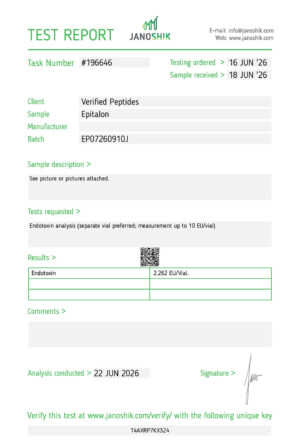
Epitalon Peptide (10MG)
This batch of Epitalon has been third party lab tested and verified for quality.

TESTED FOR:

purity
weight
TFA FREE
sterility
endotoxins(lps)
$33.00
| Quantity | Price | |
|---|---|---|
| 0% | 1 - 4 | $33.00 |
| 10% | 5 - 9 | $29.70 |
| 20% | 10 - 19 | $26.40 |
| 30% | 20 + | $23.10 |
This product comes as lyophilized powder and is not reconstituted. All products and materials sold on this site are for Research Use Only and not for human use; subject to our Terms and Conditions.

2-Day Shipping
Order by 2:00 PM ET

INSULATED SHIPPING
Ice foam-box shipping available
| Peptide vial specifications | Results | |
|---|---|---|
Not reconstituted | ||
Bottle type: | Vial - sealed - flip top | |
Form: | Powder (lyophilized) | |
Vial size: | 3ML | |
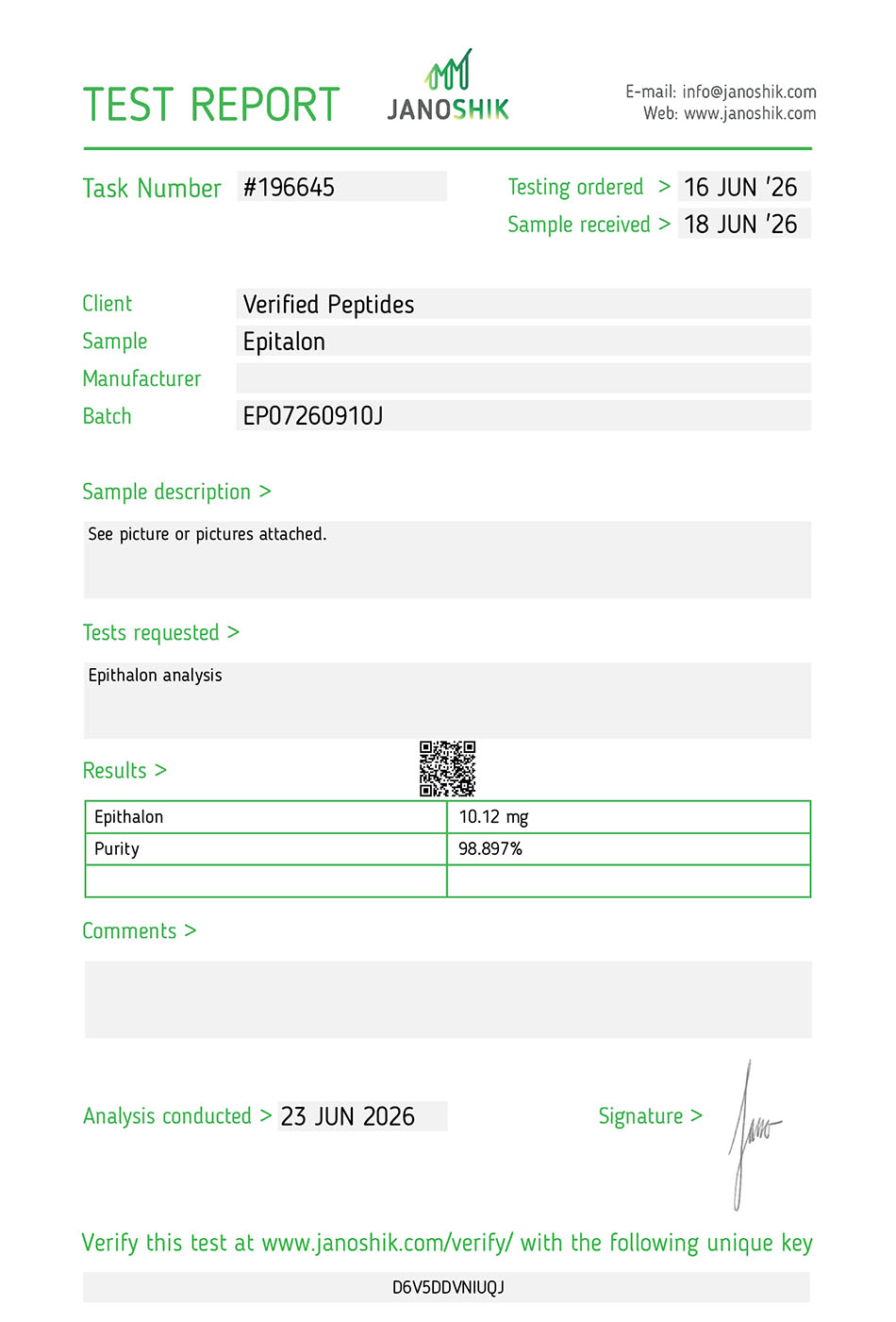
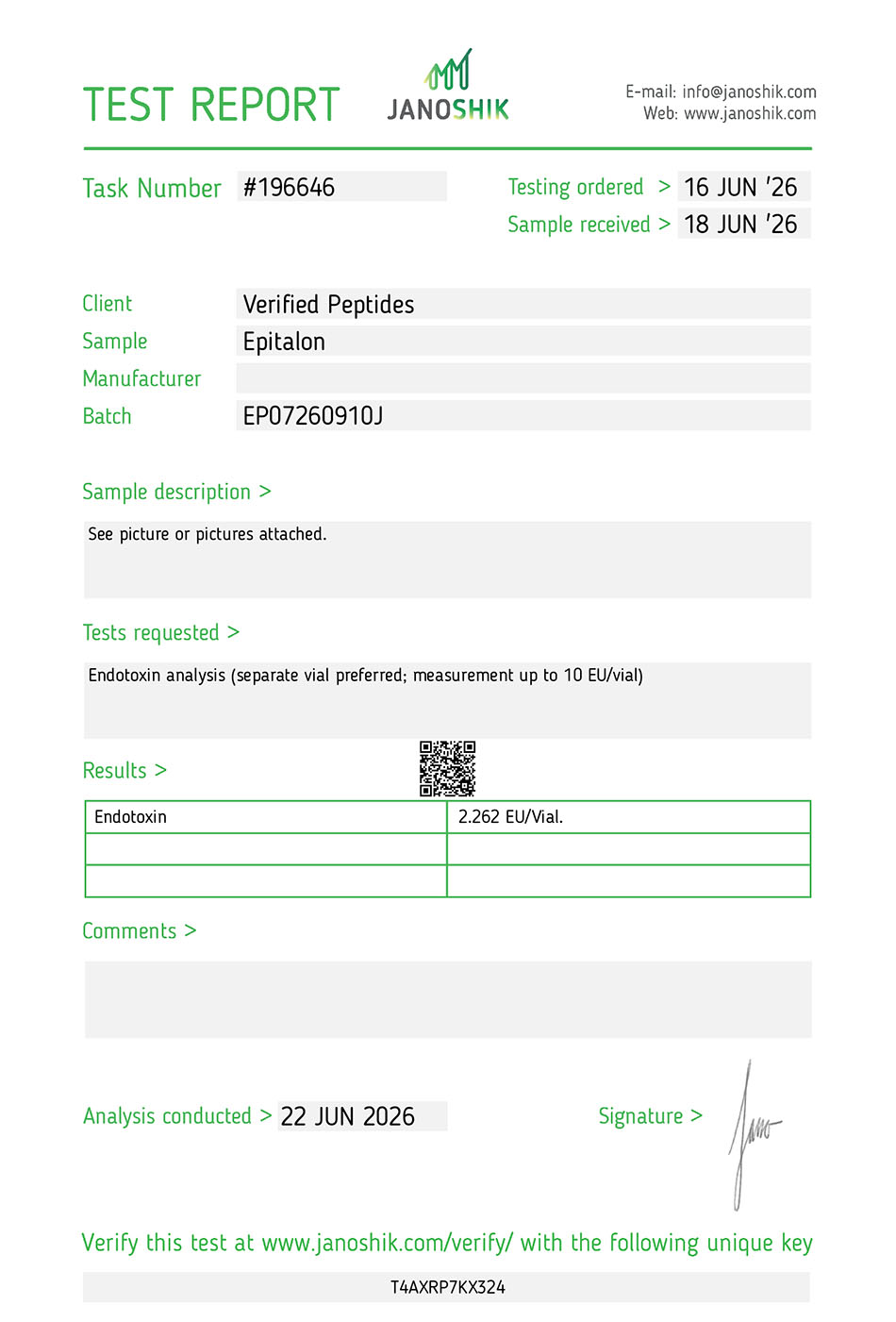
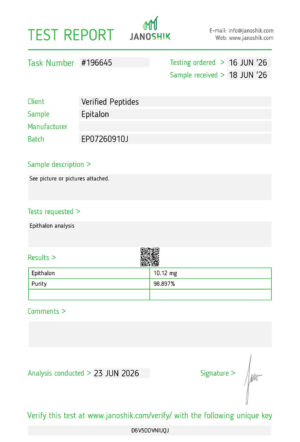
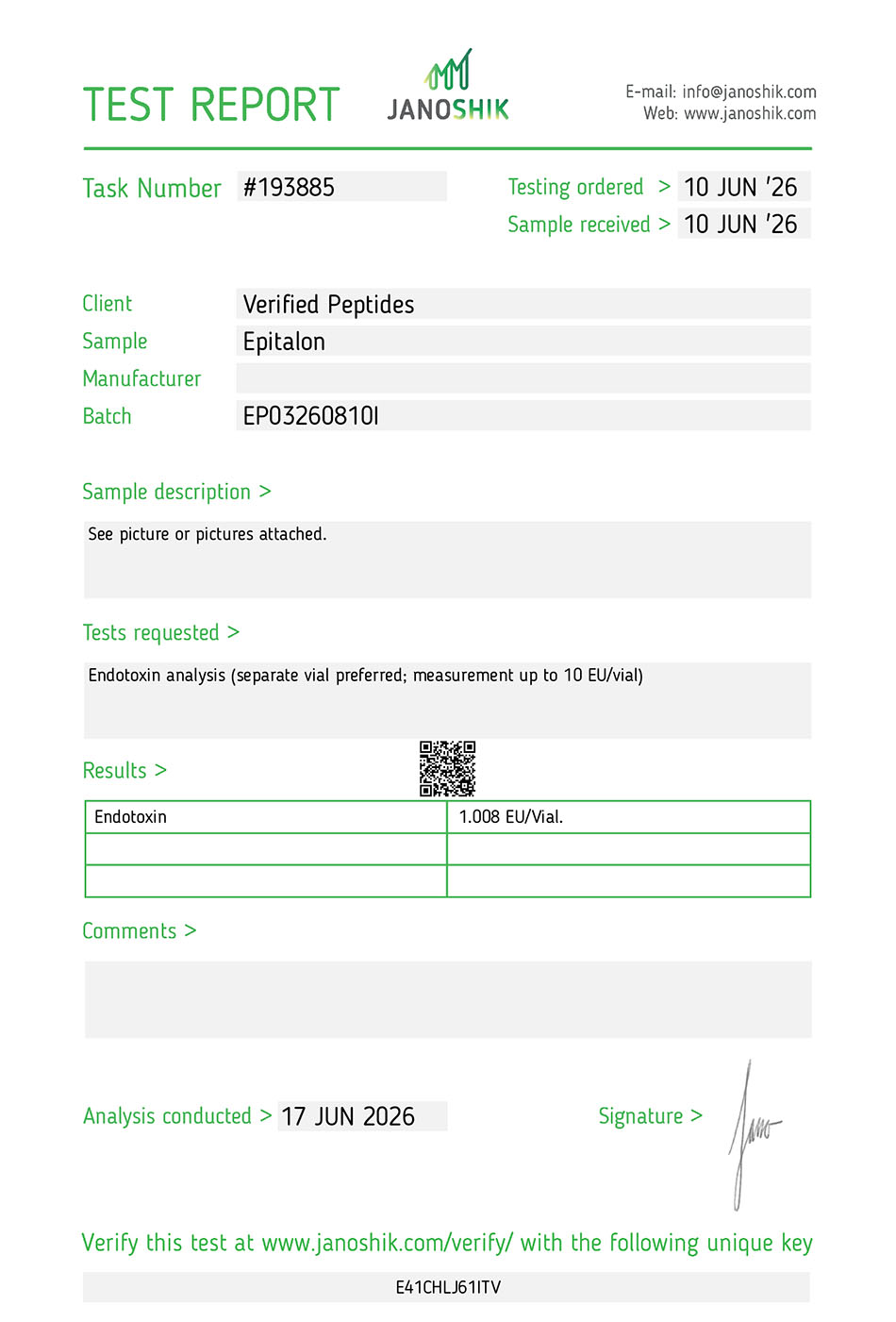
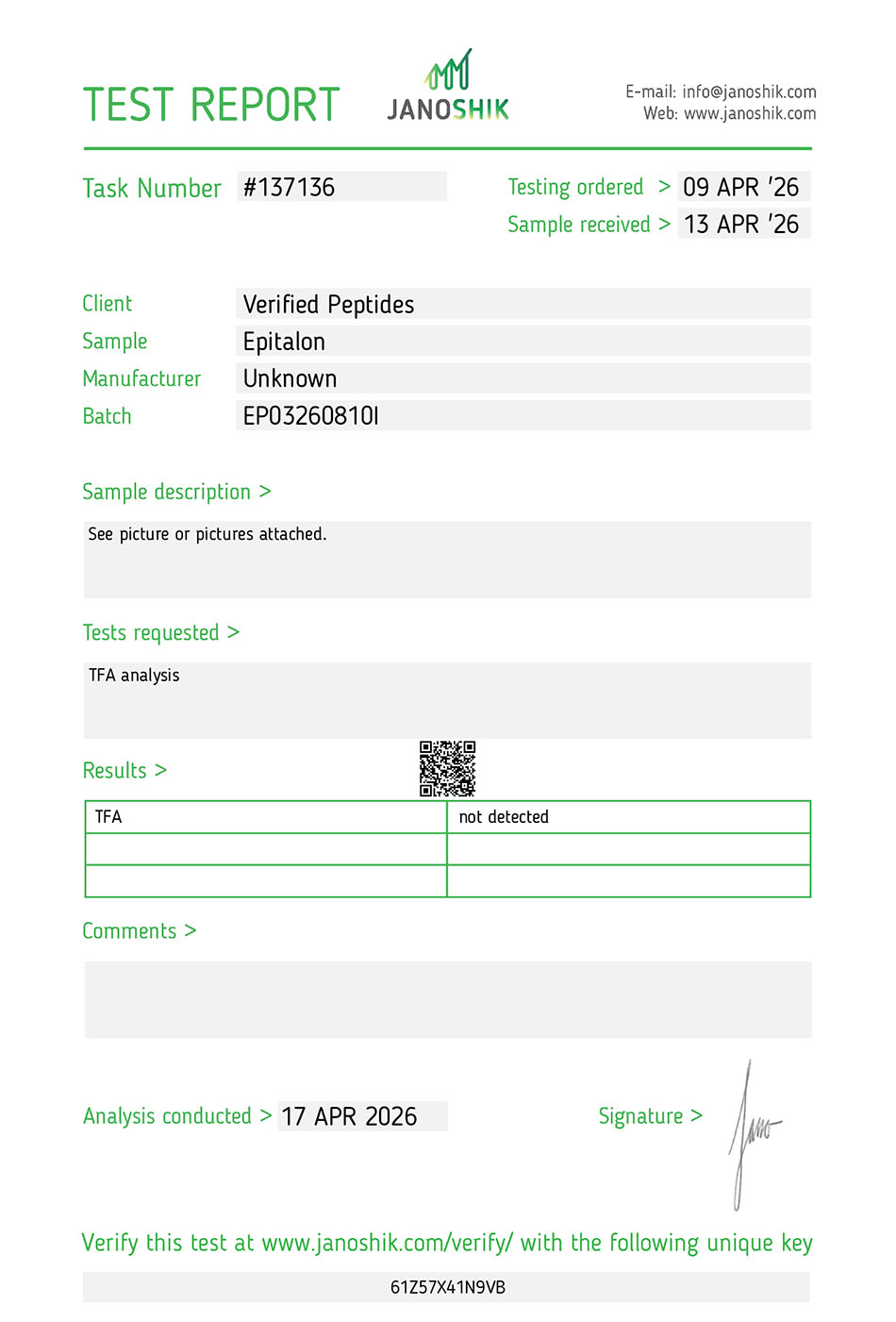
Epitalon Certificate of Analysis (COA) Test Result
| Date Tested: | |
|---|---|
| Purity: | 98.897% |
| Weight: | 10.12mg |
| Endotoxins (LPS): | Pass |
| TFA: | Not detected |
| Batch #: | EP07260910J |
| Testing Lab: | Janoshik |
| COA Verified Link: | Purity Report Endotoxin Report |
| Testing Methods: | HPLC, LAL, TAMC/YAMC USP <71> |

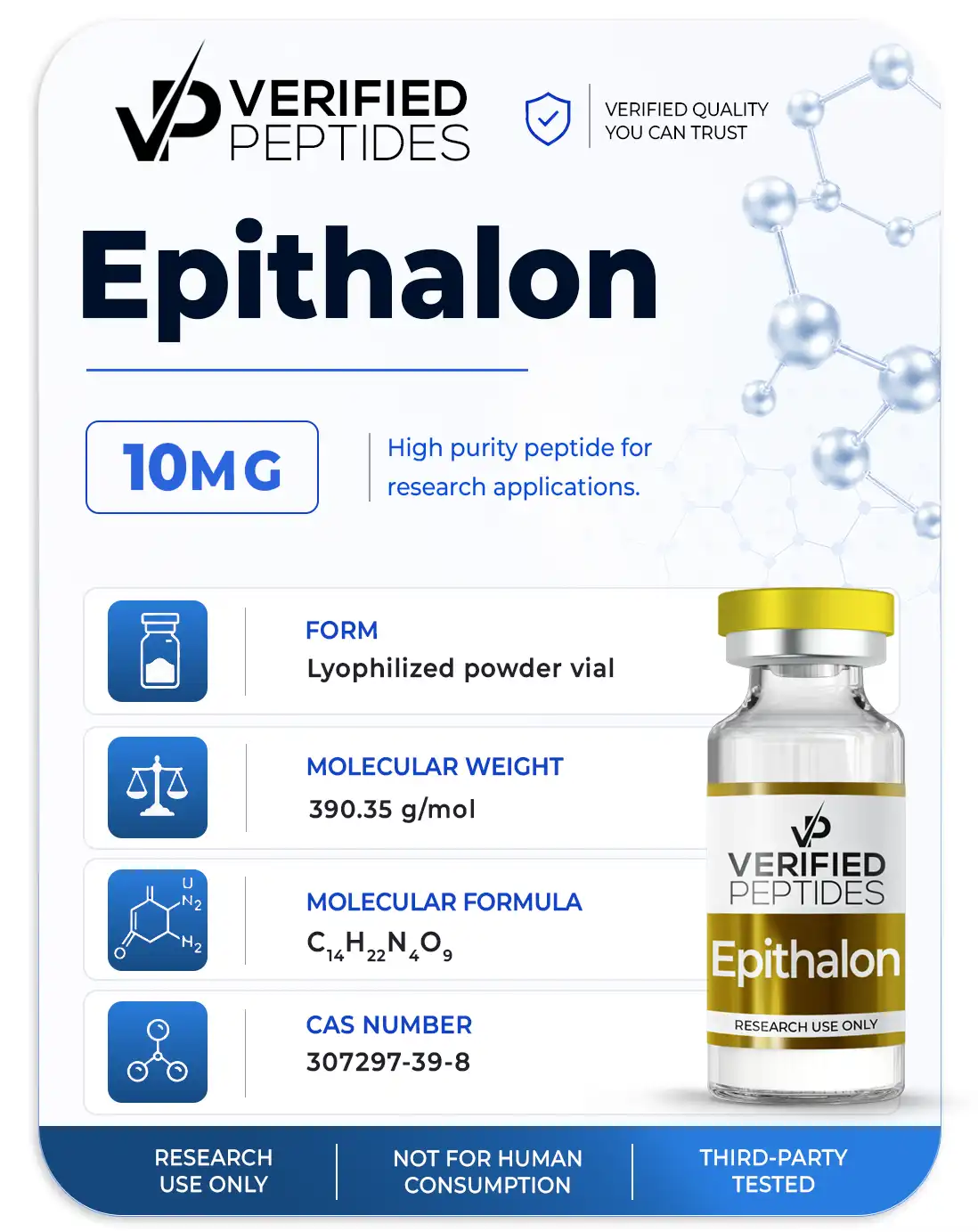
Epitalon (epithalon) Specifications: Molecular Weight, CAS Number & Sequence
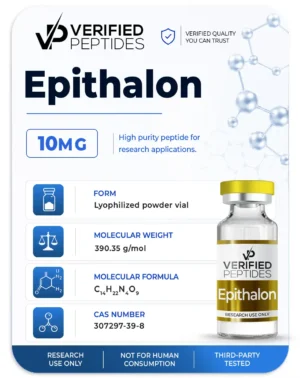
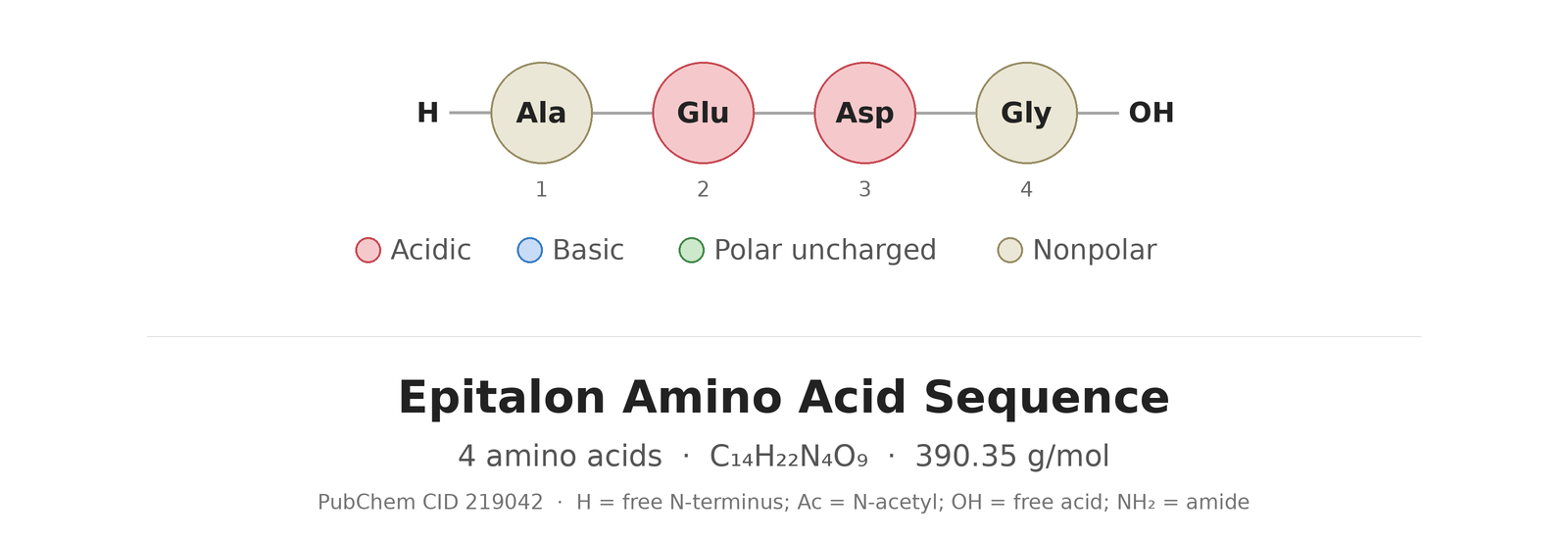
Epitalon (CAS 307297-39-8) is a synthetic tetrapeptide with the molecular formula C14H22N4O9 and a molecular weight of 390.35 g/mol.
| Form: | Powder (lyophilized) |
|---|---|
| Weight: | 10mg |
| Appearance: | White lyophilized powder |
| CAS Number: | 307297-39-8 |
| Molecular Formula: | C14H22N4O9 |
| Molecular Weight: | 390.35 g/mol |
| PubChem CID: | 219042 |
| Sequence: | Ala-Glu-Asp-Gly |
| Other Names: | Epithalon, BDM-E |
| Terms: | Subject to our Terms and Conditions. This material is sold for laboratory research use only. Not for human consumption, animal, or medical use. |
Epitalon Molecular Structure
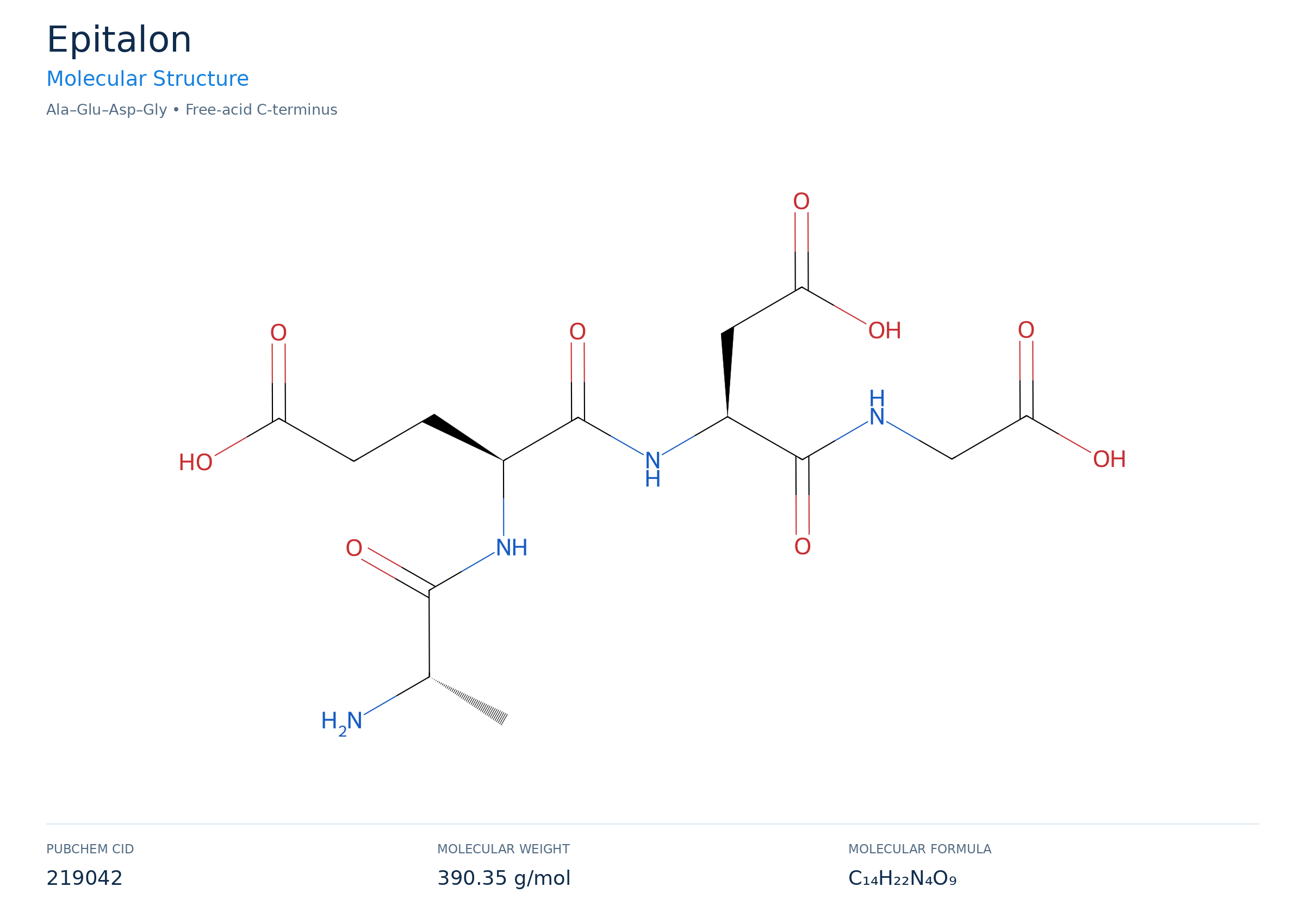
Epitalon Amino Acid Sequence

The industry's most trusted source for research peptides
The Leader In Peptide Testing
500+ Certificates of Analysis
You can be sure we don't cut corners on testing every single batch.
Visit our Lab Reports page.
An Established, Trusted Company
6+ Years of Peptides
We pioneered third party lab testing and have stood the test of time. Our first lab report dates back to 2019 proving our track record.
Fair market pricing
Competitively priced cost per milligram for verified quality.
Peptides Tested For More Than Purity
We conduct an array of analytical testing for our peptides:
purity, weight, endotoxins(LPS), sterility (bacteria & mold/yeast), and TFA content.
Transparent. Consistent. Reliable.
- Batch number on every vial
- Published Certificates of Analysis
- Expert customer service
- Satisfaction and quality guarantee
- Cold pack foam-lined shipping
Explore Other High-Purity Peptides
Peptide Blends
Price range: $65.00 through $107.00
Peptides
$49.99
Peptides
$44.99
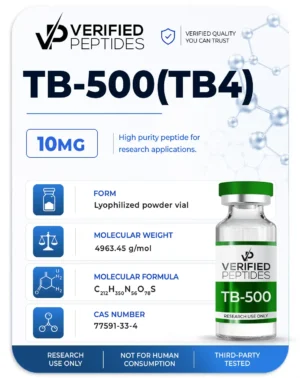
Peptides
$62.00
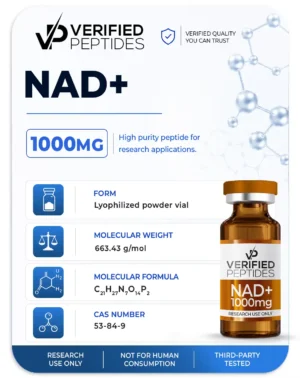
Peptides
$119.00
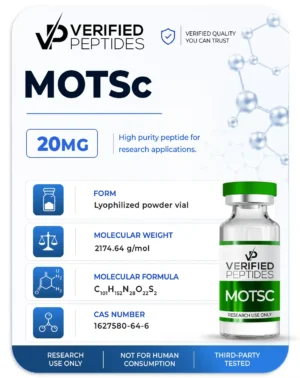
Peptides
Price range: $43.00 through $77.00
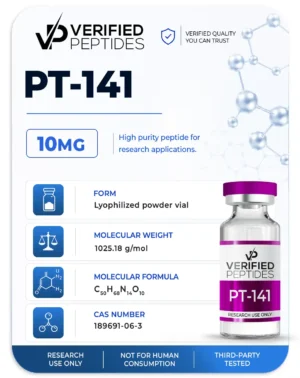
Peptides
$34.99
Hear What Our Customers Say
Trusted by thousands of researchers for high-quality peptides

This is a first class operation. Quality products and the best customer service. There may be many similar type of companies out there, but this one is trusted and affordable. [...] I highly recommend this company.
Verified Peptides is hands down my favorite website for these products. I can always count on the products to be legitimate and effective, all while being affordable. Will continue to give them my business.
Outstanding product, outstanding price, outstanding shipping
What is Epitalon (AEDG)?
Epitalon, also spelled Epithalon or Epithalone, is a synthetic tetrapeptide with the sequence Ala-Glu-Asp-Gly (AEDG). It was designed from the amino acid composition of Epithalamin, a polypeptide extract of bovine pineal gland. In 2017, it was detected in pineal gland polypeptide extract. Epitalon has been studied in cell cultures, fruit flies, rodents and rhesus monkeys, as well as in computer (in silico) and physico-chemical studies. Much of the early research came from the St. Petersburg group of V.K. Khavinson and V.N. Anisimov.
Epitalon Peptide Research Studies
Summaries of peer-reviewed research. For research and educational purposes only.
📚 Peer-Reviewed Review · Cell and Animal Studies
Epitalon Research Review: Findings from Cell, Rodent and Other Animal Studies (Araj et al., International Journal of Molecular Sciences, 2025)
Overview of the Epitalon Review
This 2025 review in the International Journal of Molecular Sciences (Araj et al., Medical University of Warsaw) summarizes about 25 years of research on Epitalon. It groups the studies by model: cell cultures, the fruit fly Drosophila melanogaster, mice, rats and rhesus monkeys.
This page covers the cell and animal findings. The review is a narrative summary of other researchers' studies, so each finding below comes from a separate experiment with its own design.
Epitalon Review at a Glance
- Citation: Araj SK, Brzezik J, Mądra-Gackowska K, Szeleszczuk Ł. Int J Mol Sci. 2025;26(6):2691.
- Article type: Narrative review
- Models covered: Cell cultures (rodent and cell lines), D. melanogaster, several mouse and rat strains, rhesus monkeys
- Topics: Pineal and melatonin signaling, immune markers, antioxidant enzymes, telomerase, gene expression, retina, tumor incidence, lifespan
- Funding and disclosure: No external funding, and no conflicts of interest declared
Why Researchers Study Epitalon
Epithalamin, the bovine pineal extract Epitalon was modeled on, was first described in 1973. The review notes that researchers proposed Epitalon as a defined, synthetic peptide with activity similar to Epithalamin. Researchers have studied it as a tool to investigate pineal-related signaling and markers associated with aging in experimental models.
The review's authors note that, despite many reported effects, Epitalon's mechanism of action remains unclear.
Pineal, Melatonin and Neuroendocrine Findings
In cell studies, Epitalon was reported to affect markers of melatonin synthesis, including the enzyme AANAT and the transcription factor CREB, in pineal cell cultures. Not all studies agreed. In one study of isolated rat pineal glands, Epitalon did not change melatonin secretion, including secretion stimulated by isoproterenol.
In rats whose pineal gland had been removed (pinealectomy), Epitalon given for 30 or 42 days was associated with partial or full recovery of pinealectomy-induced changes in gastric endocrine cells. In old rhesus monkeys, studies measured cortisol and melatonin after intramuscular Epitalon and reported effects that varied with time of day and age.
Immune Markers
Cell and rodent studies reported changes in interleukin-2 (IL-2) mRNA after Epitalon exposure. In mouse thymocyte cultures, Epitalon had a comitogenic effect, increasing cell proliferation in the presence of another stimulus, depending on conditions.
In pinealectomized rats, studies examined spleen and lymphoid changes after subcutaneous Epitalon or Epithalamin. Effects differed by route, tissue and experimental conditions.
Antioxidant Enzymes and Oxidative Markers
In rodent studies, Epitalon was associated with lower lipid peroxidation in tissues including brain and liver. Cell studies reported increased expression of genes for the antioxidant enzymes SOD-1, NQO1 and catalase. In D. melanogaster, studies reported effects on lipid peroxidation and up to a 16% increase in lifespan in one wild-type strain.
Telomerase and Gene Expression
In cell culture, Epitalon was reported to increase telomerase activity and telomere length in lung fibroblasts. Other cell studies reported increased expression of telomerase components. Gene-expression studies in mouse heart and brain tissue reported changes in genes related to cell cycle, apoptosis and nucleic acid metabolism.
These are cell and tissue measurements under specific laboratory conditions. They do not show effects on aging or lifespan in any other setting.
Retina in Campbell Rats
Campbell rats carry an inherited form of retinal degeneration. In one study, rats given Epitalon parabulbarly, near the eye, from birth kept their retinal layers at day 41, while untreated rats showed complete destruction of all retinal layers. Electroretinogram (ERG) measurements indicated longer retention of retinal function in treated rats. Later rat studies with lower amounts reported similar retinal findings.
Tumor Incidence and Lifespan in Rodents
Results in rodent tumor and lifespan studies were mixed and depended on strain and protocol:
- In SHR mice, Epitalon had no effect on food intake, body weight, average lifespan or overall tumor incidence, although bone-marrow chromosomal aberrations were 17.1% lower.
- In CBA mice, long-term Epitalon was associated with lower overall tumor incidence and multiplicity.
- In female FVB/N HER-2/neu transgenic mice, studies reported fewer and smaller mammary adenocarcinomas and lower HER-2/neu mRNA expression.
- In one HER-2/neu analysis, Epitalon either reduced maximum lifespan or increased survival depending on the treatment scheme.
- Some mouse and rat studies reported longer lifespan, while others did not.
Limitations and Research Context
- This is a narrative review. It does not pool data or rate the quality of individual studies.
- Much of the cited research comes from a small number of laboratories, and many studies used small groups.
- Findings varied by species, strain, route, timing and dose, and some studies found no effect.
- The review's authors state that information on Epitalon's safety is missing. They call for short- and long-term toxicity, genotoxicity and carcinogenicity studies.
- They also note that short peptides such as Epitalon are typically unstable and degrade rapidly in vivo.
- Cell and animal findings do not establish effects, safety or dosing in people.
Conclusion
Araj et al. (2025) describe a large body of cell and animal research in which Epitalon was associated with changes in melatonin-related markers, IL-2 expression, antioxidant enzymes, telomerase activity, retinal structure in Campbell rats, and tumor and lifespan measures in some rodent models. Results varied, and some studies found no effect. The authors conclude that Epitalon's mechanism remains unclear and that its safety has not been adequately characterized.
This summary is provided for research and educational purposes. Statements on this page have not been evaluated by the FDA. Research compounds offered on this site are for laboratory research use only. They are not intended for human or veterinary use, or to diagnose, treat, cure, mitigate or prevent any disease.
Frequently Asked Questions
What is Epitalon (AEDG)?
Epitalon is a synthetic tetrapeptide, Ala-Glu-Asp-Gly, designed from the amino acid composition of Epithalamin, a bovine pineal extract. It was detected in pineal gland polypeptide extract in 2017.
What does the 2025 Epitalon review cover?
It summarizes cell, fruit fly, rodent and rhesus monkey studies of Epitalon on melatonin-related markers, immune markers, antioxidant enzymes, telomerase, gene expression, retina, tumors and lifespan.
What did cell studies report about Epitalon and telomerase?
In lung fibroblast cultures, Epitalon was reported to increase telomerase activity and telomere length. Other cell studies reported increased expression of telomerase components.
What retinal findings were reported in animal studies?
In Campbell rats, which have inherited retinal degeneration, Epitalon administered near the eye from birth was associated with preserved retinal layers at day 41 and longer-lasting ERG activity compared with untreated rats.
Were Epitalon's effects consistent across studies?
No. Results varied by species, strain, route and protocol. For example, one mouse strain showed no change in lifespan or tumor incidence, and one study of isolated rat pineal glands found no effect on melatonin secretion.
Is Epitalon's safety established?
No. The review's authors state that information on Epitalon's safety is missing. They recommend toxicity, genotoxicity and carcinogenicity studies.
Study Reference
Araj SK, Brzezik J, Mądra-Gackowska K, Szeleszczuk Ł. Overview of Epitalon—Highly Bioactive Pineal Tetrapeptide with Promising Properties. Int J Mol Sci. 2025;26(6):2691. doi:10.3390/ijms26062691
https://pmc.ncbi.nlm.nih.gov/articles/PMC11943447/