This product is in powder form and is not reconstituted.
All products and materials sold on this site are not for human consumption and subject to our Terms and Conditions.
SHIPS TODAY Order by 1:00 PM EST
FREE SHIPPING For orders over $200
ICE PACK SHIPPING Styrofoam box shipping available
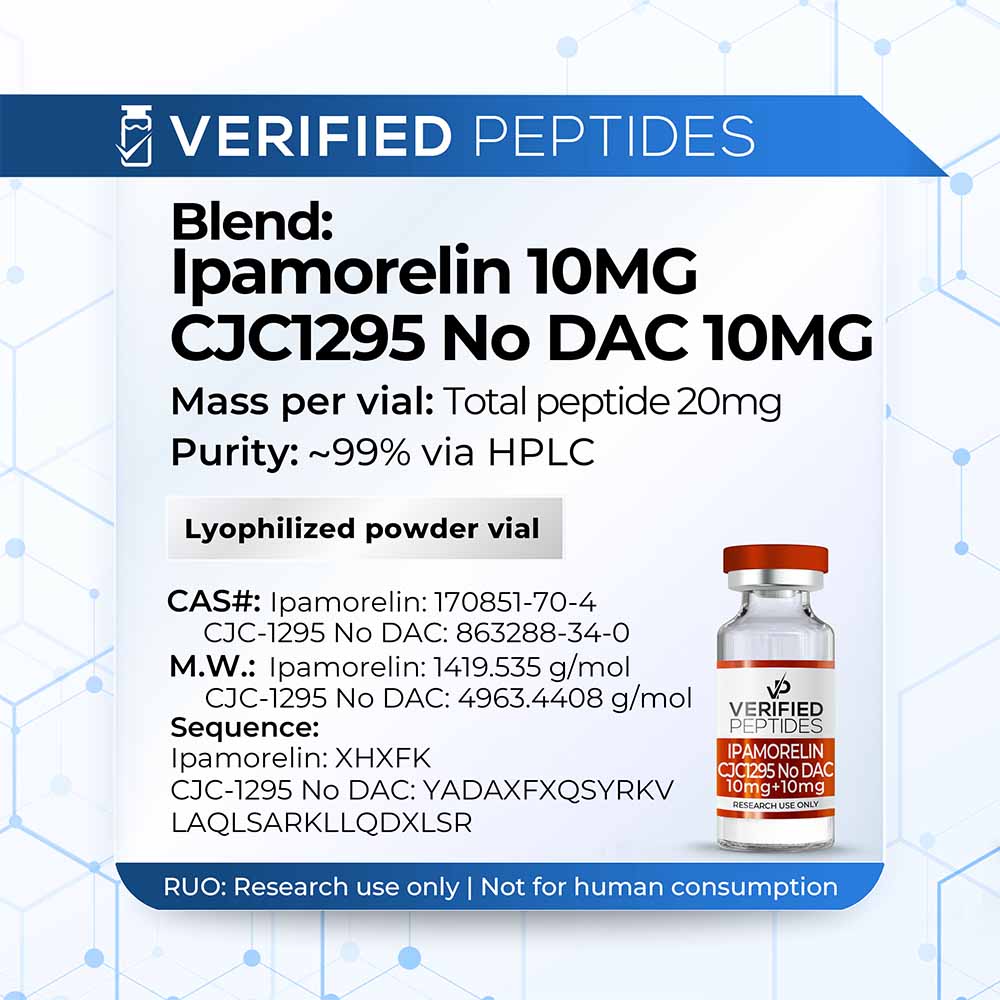
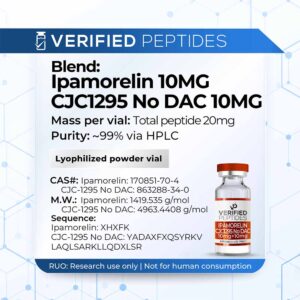
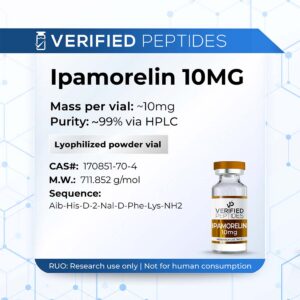
Ipamorelin: 170851-70-4
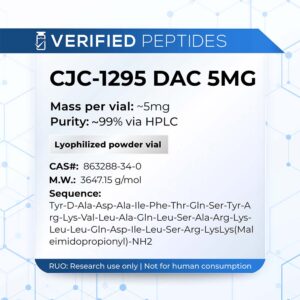
MOD-GRF(1-29) CJC-1295 No DAC: 863288-34-0
OTHER NAMES
Ipamorelin Acetate, IPAM, NNC-26-0161
MOD-GRF(1-29), CJC-1295 without DAC, modgrf
WEIGHT
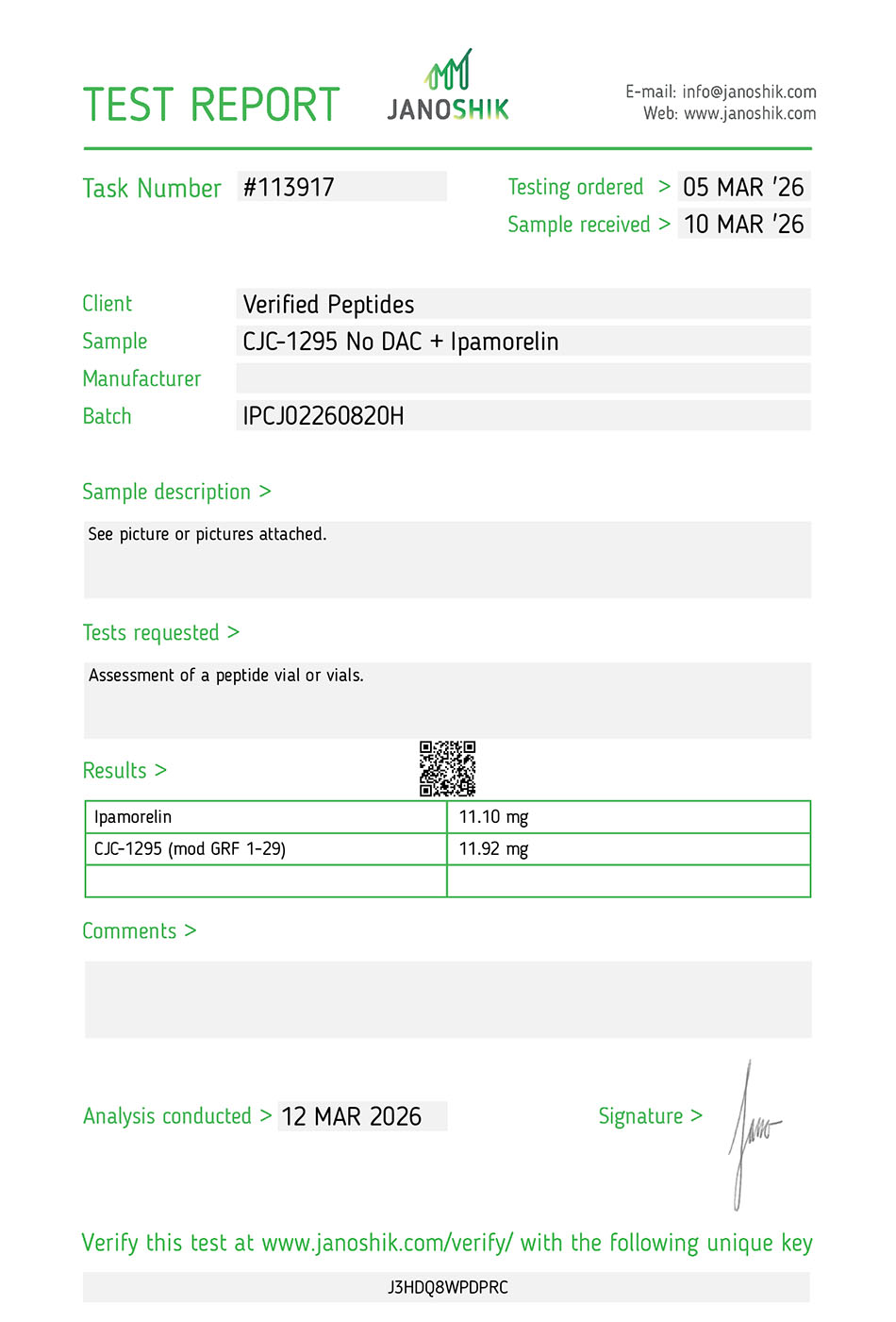
10mg | 10mg
SEQUENCE
Ipamorelin: Aib-His-D-2-Nal-D-Phe-Lys-NH2
MOD-GRF(1-29) CJC-1295 No DAC: Tyr-D-Ala-Asp-Ala-Ile-Phe-Thr-Gln-Ser-Tyr-Arg-Lys-Val-Leu-Ala-Gln-Leu-Ser-Ala-Arg-Lys-Leu-Leu-Gln-Asp-Ile-Leu-Ser-Arg
Molecular Weight
Ipamorelin: 711.85296 g/mol
MOD-GRF(1-29) CJC1295 No DAC: 33367.954 g/mol
Terms
Subject to our Terms and Conditions. This material is sold for laboratory research use only. Not for human consumption, animal, or medical use.
Why isn’t there more information on Ipamorelin CJC 1295 No DAC?
Due to the legal landscape of peptides and research products, providing information that may imply anything beyond laboratory research use is a legal liability. We’re an expert biotechnology company that provides high quality peptides and products for purchase to advance scientific research in this field.
Why Choose Verified Peptides?
The industry's most trusted source for research peptides
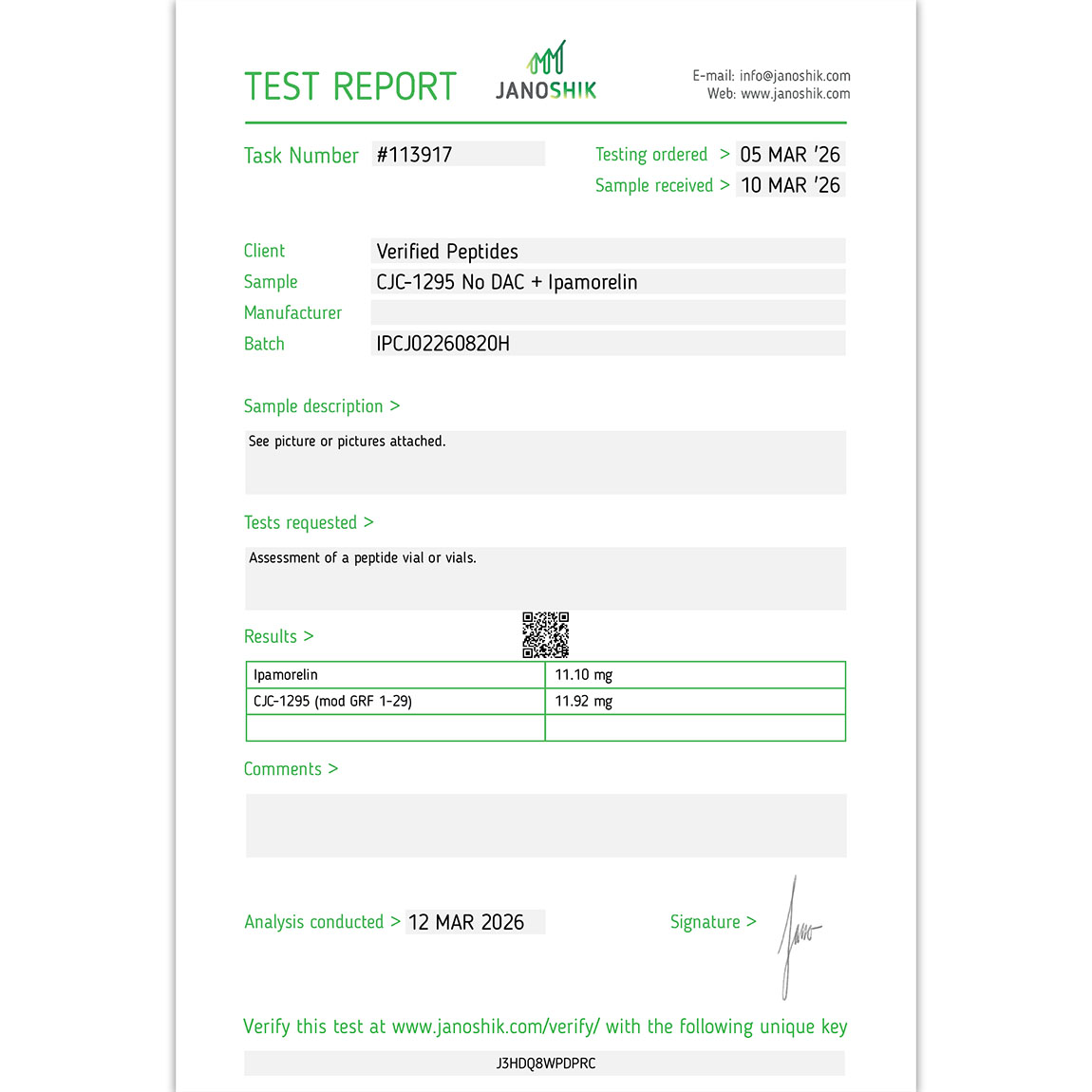
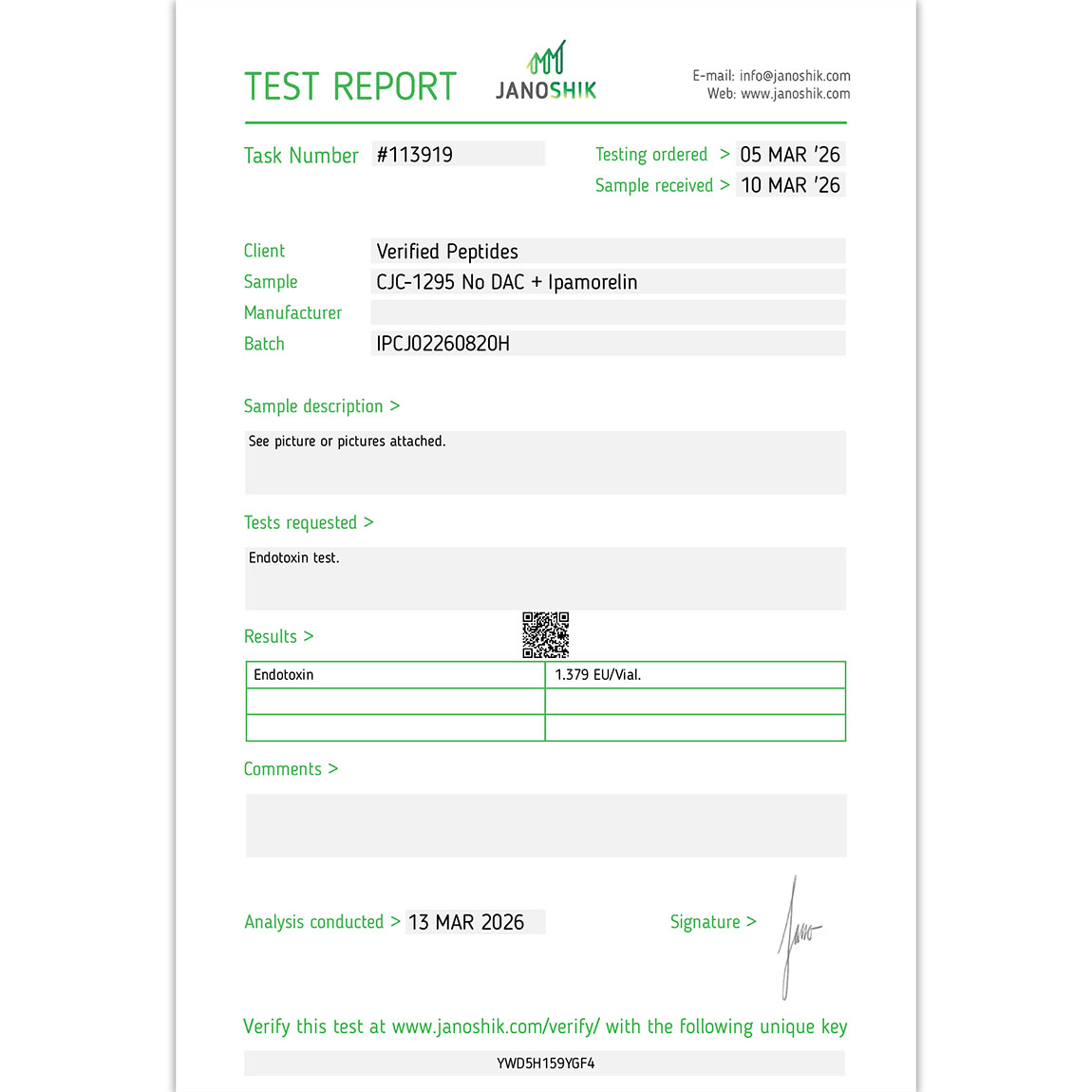
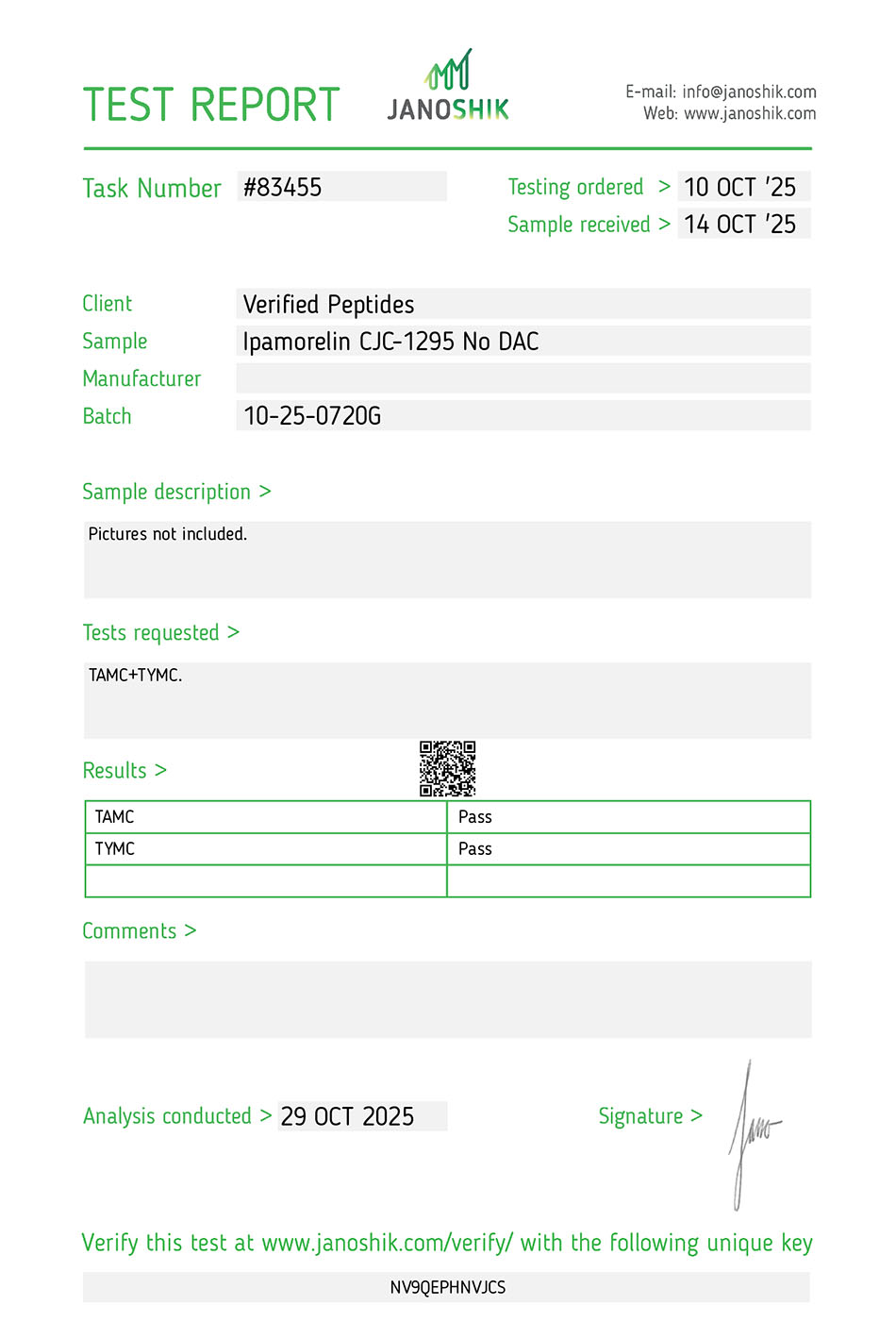
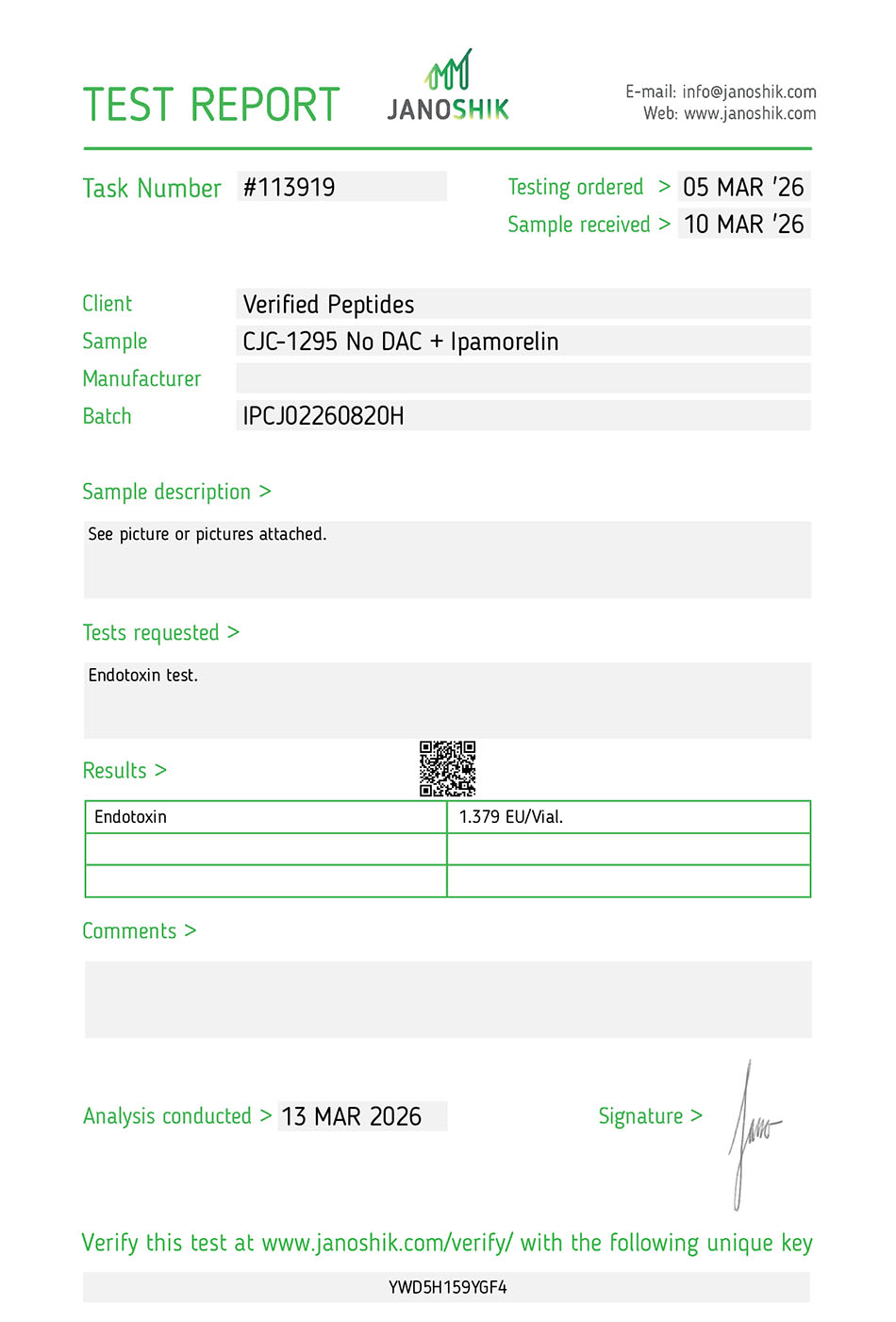
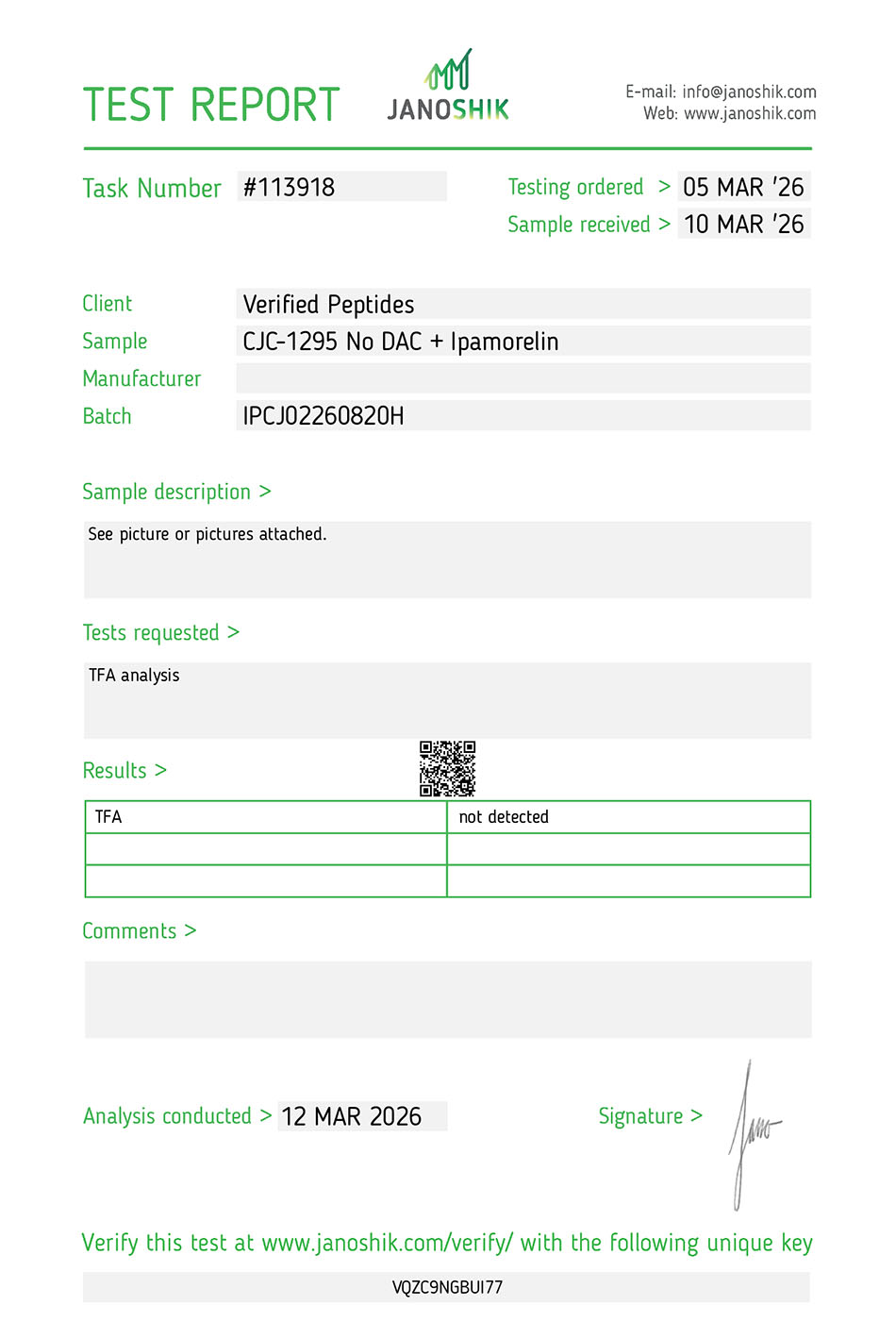
The #1 Leader In Peptide Testing 400+ Certificates of Analysis
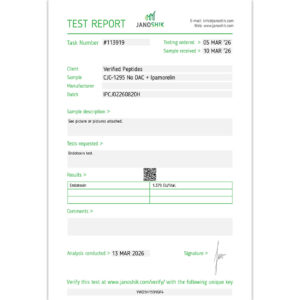
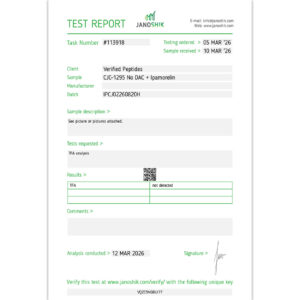
What does this mean for you? You can be sure we don't cut corners on testing every single batch. Visit our Lab Reports page.
A Long Standing Trusted Company 6+ Years of Peptides
We pioneered third party lab testing and have stood the test of time. Our first lab report dates back to 2019 proving our track record.
The Best $/mg Prices At The Highest Quality
You won't find this degree of testing and quality at this price.
Peptides Tested For More Than Just Purity
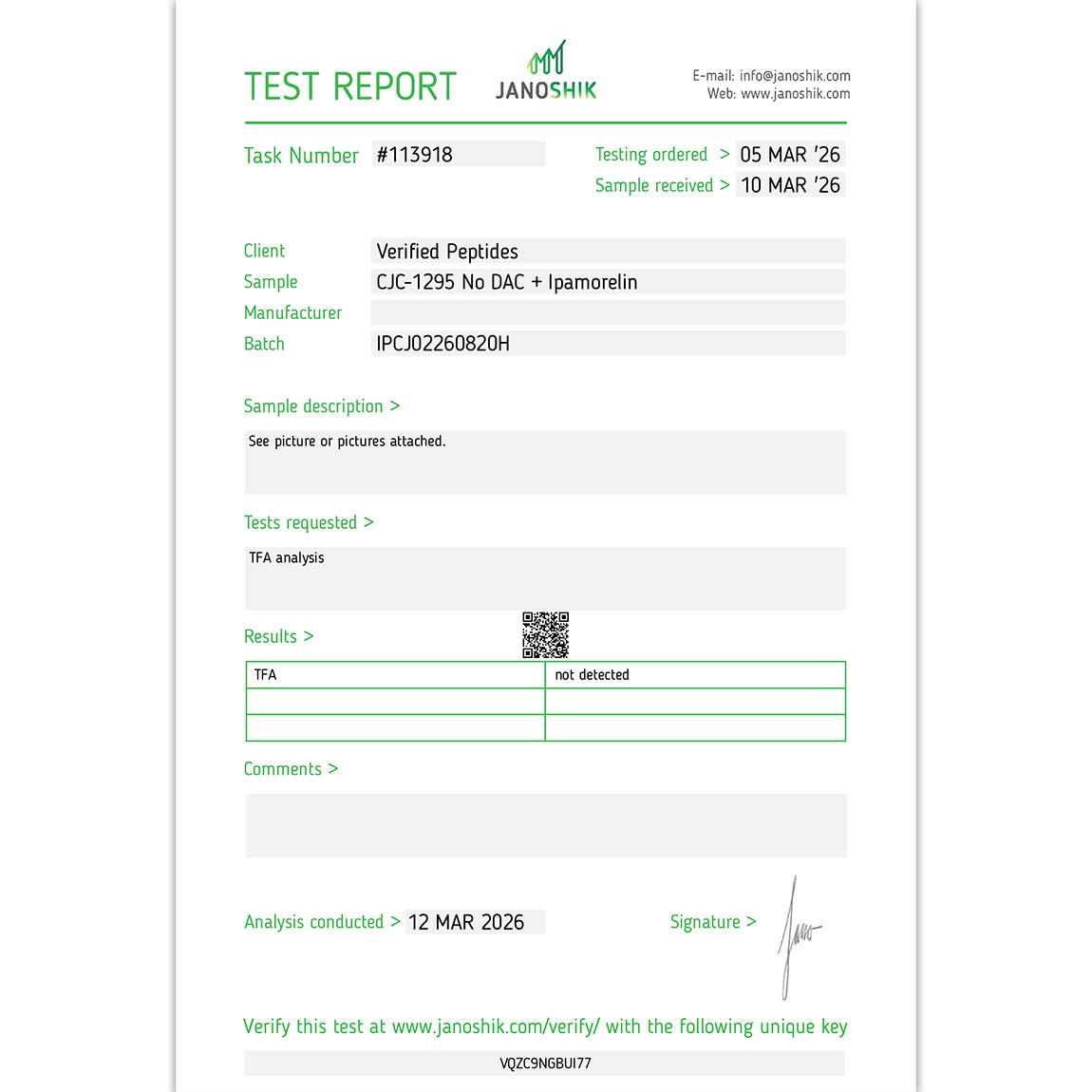
We conduct an array of tests via HPLC and other methods for our peptides: purity, weight, endotoxins(LPS), sterility (bacteria & mold/yeast), and TFA content.
This is a first class operation. Quality products and the best customer service. There may be many similar type of companies out there, but this one is trusted and affordable. No price gouging! I highly recommend this company!
Verified Peptides is hands down my favorite website for these products. I can always count on the products to be legitimate and effective, all while being affordable. Will continue to give them my business.
What is the CJC-1295 + Ipamorelin Peptide Combination?
The combination of CJC-1295 No DAC (Modified GRF 1-29) and Ipamorelin represents a strategic pairing of two distinct growth hormone secretagogues that operate through complementary mechanisms. CJC-1295 No DAC is a GHRH (growth hormone-releasing hormone) analog with enhanced α-helical structure and 49-fold greater potency than native GHRH in rat pituitary cells, activating the GHRH receptor pathway. Ipamorelin is a selective GHRP (growth hormone-releasing peptide) that activates the ghrelin receptor (GHS-R1a), demonstrating unique selectivity for GH release without stimulating ACTH or cortisol. The scientific rationale for combining these peptides stems from research demonstrating that GHRH and GHRP pathways act synergistically: GHRH primarily stimulates GH synthesis and amplifies GH pulse amplitude, while GHRPs modulate pulse frequency and timing by acting on distinct receptors and intracellular signaling cascades. When combined, these complementary mechanisms can produce GH release exceeding the sum of individual effects—a phenomenon documented across multiple preclinical models. This synergistic interaction reflects the physiological architecture of GH regulation, where multiple signaling pathways converge on pituitary somatotrophs to coordinate pulsatile GH secretion patterns.
CJC-1295 + Ipamorelin Peptide Research
Complementary mechanisms producing synergistic growth hormone release through dual receptor pathway activation in rats
📚 Peer review study
Two Pathways, Greater Effect: How GHRH and GHRP Peptide Mechanisms Complement to Amplify Growth Hormone Release in Rats
▼
Overview: Two Distinct Pathways for GH Regulation with Peptides
Growth hormone secretion from pituitary somatotrophs is regulated by multiple neurohormonal pathways that evolved to provide fine-tuned control over this critical metabolic hormone. The two primary stimulatory pathways involve GHRH (growth hormone-releasing hormone) and the ghrelin/GHRP system, which operate through distinct receptors, intracellular signaling mechanisms, and physiological effects. Understanding how these pathways complement each other provides the mechanistic rationale for combining CJC-1295 No DAC (a GHRH analog) with Ipamorelin (a selective GHRP).
The GHRH pathway, mediated by the GHRH receptor (a class II G-protein coupled receptor), primarily couples to Gs proteins, activating adenylyl cyclase to increase intracellular cAMP levels. This cAMP elevation activates protein kinase A (PKA), which phosphorylates transcription factors including CREB, ultimately increasing GH gene transcription and protein synthesis. GHRH predominantly amplifies GH pulse amplitude—the height of secretory bursts—and maintains the capacity of somatotrophs to produce GH. The ghrelin receptor pathway (GHS-R1a), activated by both endogenous ghrelin and synthetic GHRPs like Ipamorelin, operates through Gq proteins, mobilizing intracellular calcium and activating protein kinase C (PKC). This pathway primarily modulates GH pulse frequency and timing, acting at both hypothalamic and pituitary levels. The combination of CJC-1295 No DAC and Ipamorelin therefore engages both major stimulatory pathways simultaneously, creating opportunities for synergistic enhancement of GH secretion beyond what either compound achieves alone.
CJC-1295 No DAC: Optimized GHRH Analog with 49-Fold Enhanced Potency
CJC-1295 No DAC, chemically designated as [D-Ala²,Ala⁸'⁹'¹⁵]GHRH-(1-29)NH₂ or Modified GRF(1-29), was developed through systematic structure-activity optimization guided by Chou-Fasman conformational analysis. The native GHRH structure contains regions with suboptimal α-helix probability, particularly at positions 8, 9, and 15, where competing β-turn formation reduces structural stability. By substituting helix-favoring alanine residues at these positions, researchers enhanced the amphiphilic α-helical conformation critical for GHRH receptor binding.
The D-Ala² substitution provides dual benefits: modest intrinsic potency enhancement (3-fold in vitro) plus substantial protection against dipeptidylpeptidase IV (DPP-IV) degradation, which normally cleaves between positions 2 and 3. In rat pituitary cell cultures, CJC-1295 No DAC demonstrated 49-fold greater potency than native GHRH, representing the most potent GHRH analog in in vitro systems at the time of its characterization. This enhanced potency translates to greater efficacy in stimulating GH synthesis and release through the cAMP-PKA-CREB pathway. The "No DAC" designation distinguishes this variant from CJC-1295 with DAC (Drug Affinity Complex), which has an extended half-life. Modified GRF(1-29) without DAC has a shorter duration of action, making it suitable for pulsatile administration that mimics physiological GH secretion patterns when combined with GHRPs.
Ipamorelin: First Selective GHRP with GH-Specific Effects
Ipamorelin (Aib-His-D-2-Nal-D-Phe-Lys-NH₂) represents a breakthrough in GHRP development as the first compound demonstrating selectivity for GH release approaching that of GHRH itself. While earlier GHRPs like GHRP-6 and GHRP-2 effectively released GH, they also dose-dependently stimulated ACTH and cortisol, with GHRP-2 elevating ACTH to 350% of GHRH levels at maximally effective doses. This lack of selectivity raised concerns about chronic HPA axis activation with potential adverse metabolic consequences.
Ipamorelin's development involved removing the central Ala-Trp dipeptide from GHRP-1 and optimizing the N-terminal with aminoisobutyric acid (Aib). The resulting pentapeptide demonstrated potency comparable to GHRP-6 in multiple models: EC₅₀ = 1.3 nmol/L in rat pituitary cells, ED₅₀ = 80 nmol/kg in anesthetized rats, and ED₅₀ = 2.3 nmol/kg in conscious swine. Remarkably, even at doses exceeding 200-fold its GH ED₅₀, Ipamorelin produced no significant elevation of ACTH or cortisol, with effects statistically indistinguishable from GHRH. This selectivity, combined with absence of effects on FSH, LH, PRL, or TSH, established Ipamorelin as uniquely specific for somatotroph activation. Mechanistically, Ipamorelin operates through the ghrelin receptor (GHS-R1a), coupling to Gq-mediated calcium mobilization and PKC activation—a signaling pathway complementary to GHRH's cAMP-PKA mechanism.
Mechanistic Basis for Synergy: Complementary Signaling Pathways
The synergistic interaction between GHRH analogs and GHRPs has been documented across multiple experimental systems, consistently demonstrating that combined administration produces GH release exceeding the sum of individual effects. This synergy arises from fundamental differences in receptor coupling, intracellular signaling, and physiological effects of the two pathways. GHRH receptor activation couples primarily to Gs proteins, stimulating adenylyl cyclase to increase cAMP production. Elevated cAMP activates protein kinase A (PKA), which phosphorylates voltage-gated calcium channels, transcription factors (particularly CREB), and other effectors. The predominant effects are increased GH gene transcription, enhanced GH synthesis, and amplification of secretory burst amplitude.
Ghrelin receptor (GHS-R1a) activation by Ipamorelin couples primarily to Gq proteins, activating phospholipase C to generate IP₃ and diacylglycerol. IP₃ triggers release of calcium from intracellular stores, while diacylglycerol activates protein kinase C (PKC). The resulting calcium elevation triggers immediate GH vesicle exocytosis, while PKC modulates secretory machinery sensitivity and regulates GH pulse frequency patterns. Critically, these pathways converge on calcium signaling through different mechanisms: GHRH enhances calcium channel activity via PKA phosphorylation, while GHRPs mobilize intracellular calcium stores via IP₃. The combined calcium elevation from both sources produces a synergistic secretory response. Additionally, GHRH's enhancement of GH synthesis ensures adequate hormone stores for GHRP-triggered exocytosis, while GHRP's frequency modulation optimizes the timing of GHRH-amplified pulses. This mechanistic complementarity explains why combined administration consistently produces supra-additive GH release across diverse experimental models.
Documented Synergistic Effects in Preclinical Research
Multiple research groups have documented synergistic GH release when combining GHRH with GHRPs across various experimental models. In dispersed rat pituitary cell cultures, the system used to characterize both CJC-1295 No DAC and Ipamorelin, co-administration of GHRH and GHRP-6 produced GH release significantly exceeding the sum of individual responses. This in vitro synergy confirmed that the interaction occurs at the somatotroph level, independent of hypothalamic factors, and reflects direct convergence of receptor signaling pathways on the GH secretory machinery.
In vivo studies in multiple species have consistently demonstrated enhanced GH responses to combined GHRH+GHRP administration compared to either secretagogue alone. In rats, dogs, and swine—the three species where both compound classes have been extensively characterized—combined administration produces peak GH levels 2- to 5-fold higher than predicted from additive effects. In swine, which share close physiological similarity to humans in GH regulation, GHRH administered with GHRP-6 or GHRP-2 produced robust synergistic responses across a wide dose range. Importantly, the synergy was most pronounced when both compounds were administered simultaneously or with minimal time separation, supporting the concept that coordinated activation of both pathways produces optimal somatotroph stimulation. These preclinical findings established the mechanistic rationale for combining GHRH analogs with selective GHRPs like Ipamorelin, though translation to human physiology requires clinical validation.
The synergistic interaction between GHRH and GHRP pathways reflects the natural architecture of GH regulation, where multiple neural and hormonal signals converge to produce the characteristic pulsatile secretion pattern. Under physiological conditions, GH is secreted in discrete pulses occurring with species-specific frequency (every 3-5 hours in humans), with pulse amplitude varying based on metabolic state, sleep stage, nutritional status, and other factors. This pulsatility is generated by coordinated hypothalamic release of GHRH (stimulatory) and somatostatin (inhibitory), with endogenous ghrelin providing additional modulatory input.
GHRH pulses primarily determine the amplitude of GH secretory bursts by maintaining somatotroph GH synthesis capacity and directly stimulating release during permissive periods when somatostatin tone is low. The ghrelin/GHRP system modulates pulse timing and frequency by acting at both hypothalamic (stimulating GHRH neurons, inhibiting somatostatin neurons) and pituitary (direct somatotroph stimulation) levels. The endogenous ghrelin system exhibits preprandial peaks and sleep-related fluctuations that help coordinate GH secretion with metabolic demands. By combining CJC-1295 No DAC (GHRH pathway activation) with Ipamorelin (ghrelin receptor pathway activation), the strategy mimics this multi-pathway regulation, potentially recreating more physiological GH secretion patterns than achievable with single-pathway stimulation. The shorter duration of action of Modified GRF(1-29) compared to extended-release formulations allows for pulsatile dosing that better approximates natural secretory dynamics, while Ipamorelin's selectivity avoids the HPA axis activation that would confound chronic administration of non-selective GHRPs.
Temporal Dynamics and Optimal Administration Strategies
The temporal relationship between GHRH and GHRP administration significantly influences the magnitude of synergistic effect. Studies examining the timing of combined administration have consistently shown that simultaneous or near-simultaneous administration produces maximal synergy, with the synergistic component declining as the interval between administrations increases beyond 15-30 minutes. This temporal sensitivity reflects the kinetics of receptor-mediated signaling cascades and the transient nature of intracellular second messenger elevations.
CJC-1295 No DAC, lacking the DAC component that extends half-life, has relatively rapid onset and shorter duration compared to the extended-release CJC-1295 with DAC formulation. Following administration, Modified GRF(1-29) produces peak effects within 15-30 minutes, with duration of elevated GH typically lasting 2-3 hours based on GHRH analog pharmacology. Ipamorelin similarly demonstrates rapid onset, with peak GH response occurring at 10-15 minutes in swine studies and return to baseline within 120 minutes. This matched temporal profile makes CJC-1295 No DAC and Ipamorelin particularly well-suited for combination use, as their peak effects overlap when administered concurrently. The relatively short duration of both compounds allows for multiple daily administrations that can recreate pulsatile GH patterns more closely approximating physiological secretion compared to long-acting single doses. However, all temporal and dosing parameters described here derive from animal studies, and optimal administration strategies for research or any other purposes in humans remain undefined without clinical investigation.
Selectivity Advantage: Avoiding ACTH and Cortisol Stimulation
A critical advantage of combining CJC-1295 No DAC specifically with Ipamorelin, as opposed to other GHRPs, is the preservation of hormonal selectivity. Earlier GHRP compounds including GHRP-6, GHRP-2, and hexarelin all demonstrated dose-dependent stimulation of ACTH and cortisol in addition to GH. In the swine studies that characterized Ipamorelin, GHRP-2 elevated ACTH to 350% of GHRH levels and GHRP-6 to 300% of GHRH levels at maximally effective GH-releasing doses. These ACTH elevations produced corresponding increases in cortisol, activating the HPA axis.
Chronic or repeated HPA axis stimulation raises legitimate concerns, as sustained cortisol elevation is associated with insulin resistance, altered body composition, bone loss, immune modulation, and cardiovascular effects. While acute cortisol increases may be tolerable, protocols involving frequent or long-term administration would ideally avoid this confound. The unique selectivity profile of Ipamorelin addresses this concern directly. Even at doses exceeding 200-fold its GH ED₅₀, Ipamorelin produced ACTH and cortisol levels statistically indistinguishable from those following GHRH administration. This means that combining CJC-1295 No DAC with Ipamorelin preserves the GH-selective profile of GHRH-only stimulation while adding the synergistic benefits of dual-pathway activation. Neither compound significantly affects FSH, LH, PRL, or TSH, further supporting genuine selectivity for the somatotroph GH-releasing axis. This selectivity profile distinguishes the CJC-1295 No DAC + Ipamorelin combination from GHRH + non-selective GHRP combinations, potentially enabling chronic or repeated administration protocols without the complications of sustained HPA axis activation—though this remains speculative pending clinical validation.
Structural Optimization: Enhanced Potency and Stability
Both components of this combination represent structurally optimized peptides designed to overcome limitations of native hormones. CJC-1295 No DAC's 49-fold potency enhancement over native GHRH arose from systematic α-helix stabilization through strategic amino acid substitutions at positions 8, 9, and 15, combined with D-Ala² substitution for proteolytic protection. The enhanced helical structure increases receptor affinity by reducing the entropic cost of adopting the bioactive conformation, while the D-amino acid protects against DPP-IV cleavage that normally represents a major degradation pathway.
Ipamorelin's structure emerged from a different optimization strategy—removal of the central dipeptide from GHRP-1 combined with Aib N-terminal substitution—resulting in a pentapeptide with potency comparable to hexapeptide GHRPs but with fundamentally different selectivity. The Aib (aminoisobutyric acid) substitution provides both conformational constraint and metabolic stability through its gem-dimethyl alpha carbon, which resists proteolytic attack. The combination of these two optimized structures offers several practical advantages over native hormone combinations: enhanced intrinsic potency means lower doses may be required to achieve equivalent effects, improved proteolytic stability extends duration of action compared to native peptides, preserved selectivity avoids unwanted endocrine effects, and the complementary optimization strategies (helix stabilization for GHRH, selective receptor activation for GHRP) address different aspects of the synergistic interaction. These structural features collectively support the rationale for this specific pairing, though again, all discussed benefits reflect preclinical characterization and mechanistic principles rather than established clinical outcomes.
Research Context and Limitations
While the mechanistic rationale for combining CJC-1295 No DAC with Ipamorelin is well-grounded in documented physiology and preclinical research, important limitations and knowledge gaps must be acknowledged. All potency data for CJC-1295 No DAC derive from in vitro rat pituitary cell assays, which measure receptor affinity but do not account for pharmacokinetic factors, tissue distribution, or species differences in receptor structure that may influence in vivo activity. The 49-fold potency enhancement represents intrinsic receptor activation capacity rather than a prediction of clinical effect size.
Ipamorelin's characterization included in vivo studies in rats and swine, providing more complete pharmacological profiles, but these remain animal models with potential limitations in predicting human responses. The selectivity data showing absence of ACTH/cortisol stimulation come from swine studies, and while swine GH physiology closely resembles that of humans, direct translation cannot be assumed without clinical validation. Documented synergy between GHRH and GHRPs has been demonstrated across multiple species and experimental systems, supporting the generality of the phenomenon, but the magnitude of synergistic enhancement varies between studies and may depend on dose ratios, timing, baseline GH status, and other factors. No studies have specifically examined the CJC-1295 No DAC + Ipamorelin combination in controlled trials—the synergy rationale extrapolates from studies of GHRH combined with various GHRPs, particularly GHRP-6. Whether Ipamorelin's structural modifications that confer selectivity affect its synergistic potential compared to non-selective GHRPs remains unknown. Most critically, while the mechanistic and preclinical foundation is strong, clinical studies in humans would be required to establish optimal dosing, administration schedules, safety profiles, and actual synergistic effects for this specific combination.
Conclusion
The combination of CJC-1295 No DAC (Modified GRF 1-29) and Ipamorelin represents a mechanistically rational pairing of two structurally optimized growth hormone secretagogues operating through complementary pathways. CJC-1295 No DAC, with 49-fold enhanced potency over native GHRH through α-helix stabilization, activates the GHRH receptor-cAMP-PKA pathway to enhance GH synthesis and pulse amplitude. Ipamorelin, the first selective GHRP with GH specificity matching GHRH, activates the ghrelin receptor-calcium-PKC pathway to modulate pulse frequency and trigger secretion without stimulating ACTH or cortisol.
The documented synergy between GHRH and GHRP pathways across multiple preclinical models, combined with the matched temporal profiles and preserved selectivity of this specific combination, provides strong mechanistic rationale for their paired use. However, it is crucial to emphasize that all data supporting this rationale derive from in vitro cell culture studies, in vivo animal experiments in rats and swine, and mechanistic extrapolation from established neuroendocrine physiology. The potency values, synergy magnitudes, selectivity profiles, and temporal dynamics described here have not been validated in human clinical studies for this specific combination. Both peptides remain research tools, and any discussion of dosing, administration strategies, or effects must be understood as mechanistic hypothesis rather than established clinical practice. Substantial additional research, including rigorous controlled human trials, would be required before the CJC-1295 No DAC + Ipamorelin combination could transition from mechanistic concept to evidence-based therapeutic approach. Nevertheless, the convergence of structural optimization, complementary mechanisms, documented synergy principles, and preserved hormonal selectivity makes this combination a scientifically compelling subject for continued investigation in appropriate research contexts.
Frequently Asked Questions
Why combine CJC-1295 No DAC and Ipamorelin instead of using either alone?
The combination activates two complementary pathways: CJC-1295 No DAC stimulates the GHRH receptor-cAMP-PKA pathway (enhancing GH synthesis and pulse amplitude), while Ipamorelin activates the ghrelin receptor-calcium-PKC pathway (modulating pulse frequency and triggering secretion). Documented synergy between GHRH and GHRP pathways across multiple preclinical models consistently shows combined administration produces GH release exceeding the sum of individual effects, typically 2- to 5-fold higher than predicted from additive responses.
What makes this combination selective for GH release?
Both components preserve hormonal selectivity. CJC-1295 No DAC, as a GHRH analog, naturally targets somatotrophs specifically. Ipamorelin is unique among GHRPs in producing no significant ACTH or cortisol elevation even at doses 200-fold above its GH ED₅₀—effects statistically indistinguishable from GHRH itself. This contrasts with GHRP-6 and GHRP-2, which elevated ACTH to 300-350% of GHRH levels. Neither compound affects FSH, LH, PRL, or TSH, providing genuine selectivity for the GH axis.
How do the mechanisms of GHRH and GHRP differ?
GHRH receptor (class II GPCR) couples to Gs proteins, activating adenylyl cyclase to increase cAMP, which activates PKA. This enhances GH gene transcription via CREB phosphorylation and amplifies secretory burst amplitude. Ghrelin receptor (GHS-R1a) couples to Gq proteins, activating phospholipase C to generate IP₃ and DAG. IP₃ mobilizes intracellular calcium stores while DAG activates PKC. This triggers immediate GH vesicle exocytosis and modulates pulse frequency. The pathways converge on calcium through different mechanisms, producing synergistic secretion.
What is the optimal timing for administering both compounds together?
Preclinical studies indicate that simultaneous or near-simultaneous administration produces maximal synergy, with synergistic effects declining as the interval between administrations exceeds 15-30 minutes. Both compounds have matched temporal profiles: CJC-1295 No DAC and Ipamorelin produce peak effects within 15-30 minutes and return to baseline within 2-3 hours based on GHRH and GHRP pharmacology. This matched timing enables coordinated dual-pathway activation. However, these parameters derive entirely from animal studies, and optimal human administration strategies remain undefined.
How was CJC-1295 No DAC optimized for enhanced potency?
Systematic Chou-Fasman analysis identified regions with suboptimal α-helix probability, particularly positions 8, 9, and 15. Substituting helix-favoring alanine at these positions enhanced the amphiphilic α-helical structure critical for GHRH receptor binding. D-Ala² substitution provided dual benefits: modest intrinsic potency enhancement (3-fold) plus protection against DPP-IV degradation. Combined, these modifications produced 49-fold greater potency than native GHRH in rat pituitary cells—the highest enhancement achieved for GHRH analogs in in vitro systems.
How does Ipamorelin differ from GHRP-6 and GHRP-2?
While potency is comparable (Ipamorelin EC₅₀ = 1.3 nmol/L vs GHRP-6 = 2.2 nmol/L in rat pituitary cells; ED₅₀ = 2.3 nmol/kg vs GHRP-6 = 3.9 nmol/kg in swine), selectivity is dramatically different. GHRP-6 and GHRP-2 dose-dependently stimulate ACTH and cortisol at GH-releasing doses. Ipamorelin produces no significant ACTH or cortisol elevation even at 200+ fold its GH ED₅₀. This selectivity arose from structural optimization: removing the central dipeptide from GHRP-1 and using Aib N-terminal substitution to create a selective pentapeptide.
What does "No DAC" mean in CJC-1295 No DAC?
"No DAC" indicates this version lacks the Drug Affinity Complex component that extends half-life in CJC-1295 with DAC. Modified GRF(1-29) without DAC has shorter duration of action (2-3 hours based on GHRH analog pharmacology) compared to the extended-release formulation. This shorter duration is actually advantageous for combination protocols, as it allows multiple daily administrations that can recreate pulsatile GH patterns more closely approximating physiological secretion when paired with the similarly short-acting Ipamorelin.
Has this specific CJC-1295 + Ipamorelin combination been studied directly?
No controlled studies have specifically examined the CJC-1295 No DAC + Ipamorelin combination. The synergy rationale extrapolates from: (1) documented synergy between GHRH and various GHRPs (particularly GHRP-6) across multiple species and systems, (2) individual characterization of CJC-1295 No DAC showing 49-fold potency enhancement, (3) individual characterization of Ipamorelin showing comparable potency to GHRP-6 but with superior selectivity, and (4) established mechanistic principles of complementary receptor pathway activation. The combination represents a mechanistic hypothesis strongly supported by preclinical evidence but not yet validated through direct combination studies.
Why is preserving pulsatile GH secretion patterns important?
Natural GH secretion occurs in discrete pulses (every 3-5 hours in humans) rather than continuous elevation. This pulsatility is physiologically important—GH receptor sensitivity, downstream signaling responses, and metabolic effects all depend on intermittent rather than continuous stimulation. Continuous GH exposure can lead to receptor desensitization. The short duration of both CJC-1295 No DAC and Ipamorelin (2-3 hours) allows multiple daily administrations with inter-dose periods of low GH, better mimicking natural pulsatile patterns compared to long-acting single doses or continuous elevation.
Is preclinical synergy data the same as proven effects in humans?
No. All synergy data derive from in vitro cell cultures (rat pituitary cells) and in vivo animal studies (rats, dogs, swine). While synergy between GHRH and GHRPs has been consistently demonstrated across multiple species and experimental systems—supporting the generality of the phenomenon—magnitude of enhancement varies between studies and may depend on dose ratios, timing, baseline status, and species-specific factors. The CJC-1295 No DAC + Ipamorelin combination has not been validated in human clinical trials. Both peptides remain research tools, and substantial clinical investigation would be required before any therapeutic applications could be considered.
📚
Study Reference
Coy DH, Hocart SJ, Murphy WA. Human growth hormone-releasing hormone analogues with much improved in vitro growth hormone-releasing potencies in rat pituitary cells. Eur J Pharmacol. 1991;204(2):179-185. doi:10.1016/0014-2999(91)90703-s
Raun K, Hansen BS, Johansen NL, et al. Ipamorelin, the first selective growth hormone secretagogue in rats. Eur J Endocrinol. 1998;139(5):552-561. doi:10.1530/eje.0.1390552